Our Norwegian adventure began in Oslo where we spent a night before flying far north to Kirkenes. Travelling from the airport to the city was super easy on the FlyToGet airport express train.
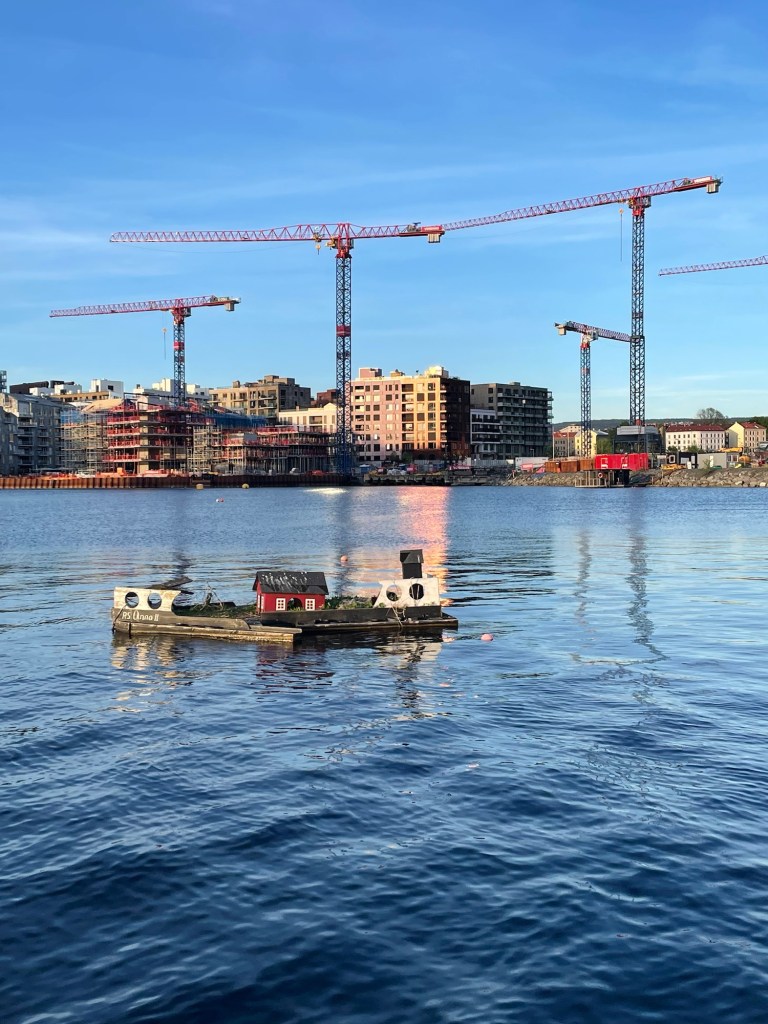
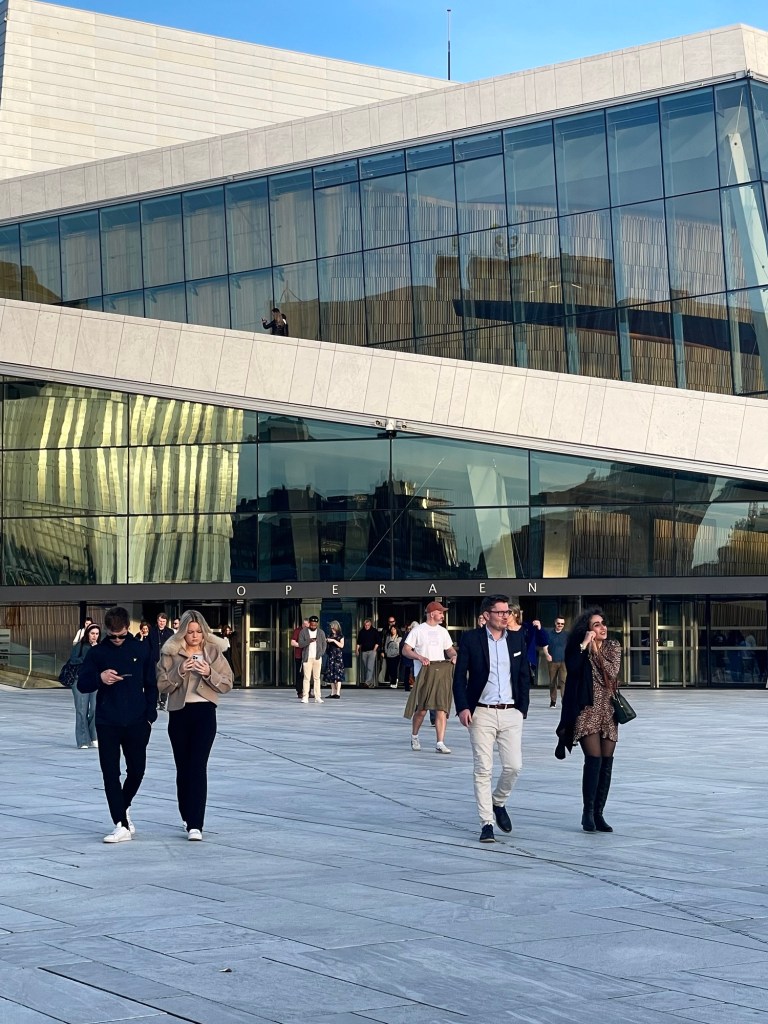
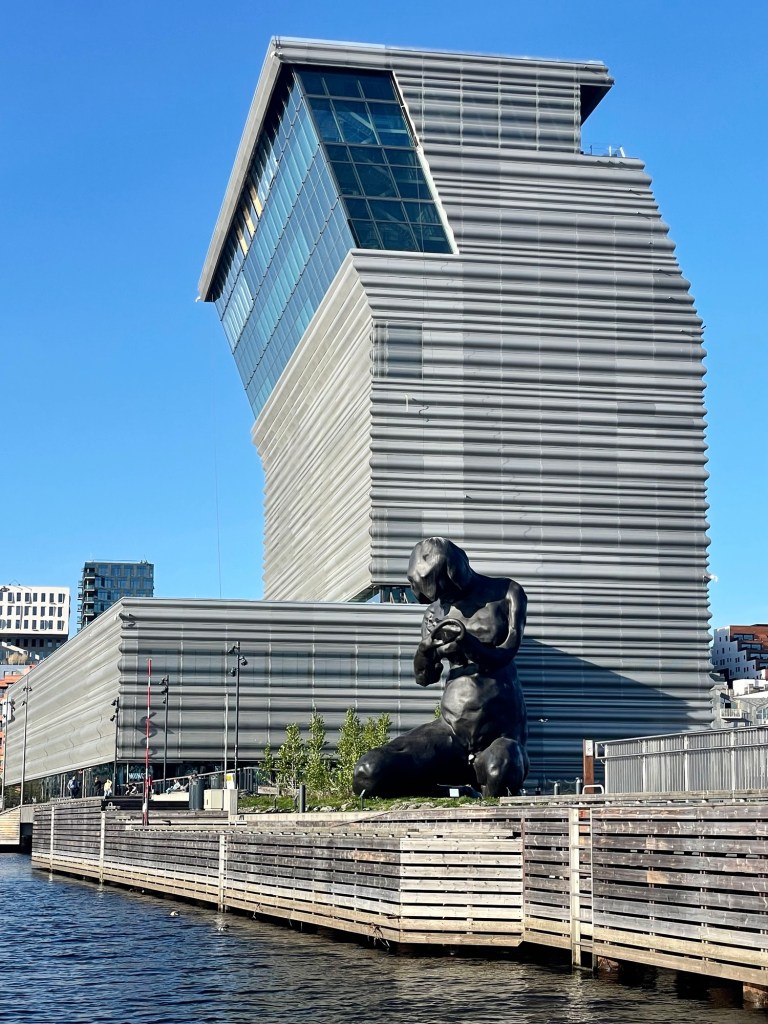
Our hotel was in the centre of the city, just a short walk from the train station. That evening we strolled around the harbour looking for a place to eat. Oslo is a lively city with some interesting architecture and there was much to take in as we walked around the water’s edge, including the Opera House, City Library and Munch Museum. At a small beach we were surprised to see people in their bathers taking a dip. While it was a lot warmer than Iceland, it didn’t feel hot enough to swim. Further along, there were some sauna cabins sitting on the water, each accessible by a small bridge from the shore. The city had a very arty feel to it, with sculptures dotting the land and water. After dinner we headed back to the hotel as we had an early flight the following morning.

Kirkenes is at the very top of Norway, close to the Russian border, and a two-hour flight from Oslo. After arriving at the small airport, we jumped into a cab and spent the trip into town listening to the driver talk about the region and the people. We learned that most Norwegians own at least one cabin on the water and/or in the mountains and go there almost every weekend.
She suggested we try a restaurant that had many reindeer dishes on its menu. We told her we’d never eaten reindeer and asked what other meat it tasted like. After thinking it over for a few seconds she replied that it tasted a lot like moose. We laughed and had to explain that we had no moose in Australia, and that we’d expected her to say pork or veal or something a bit more common.
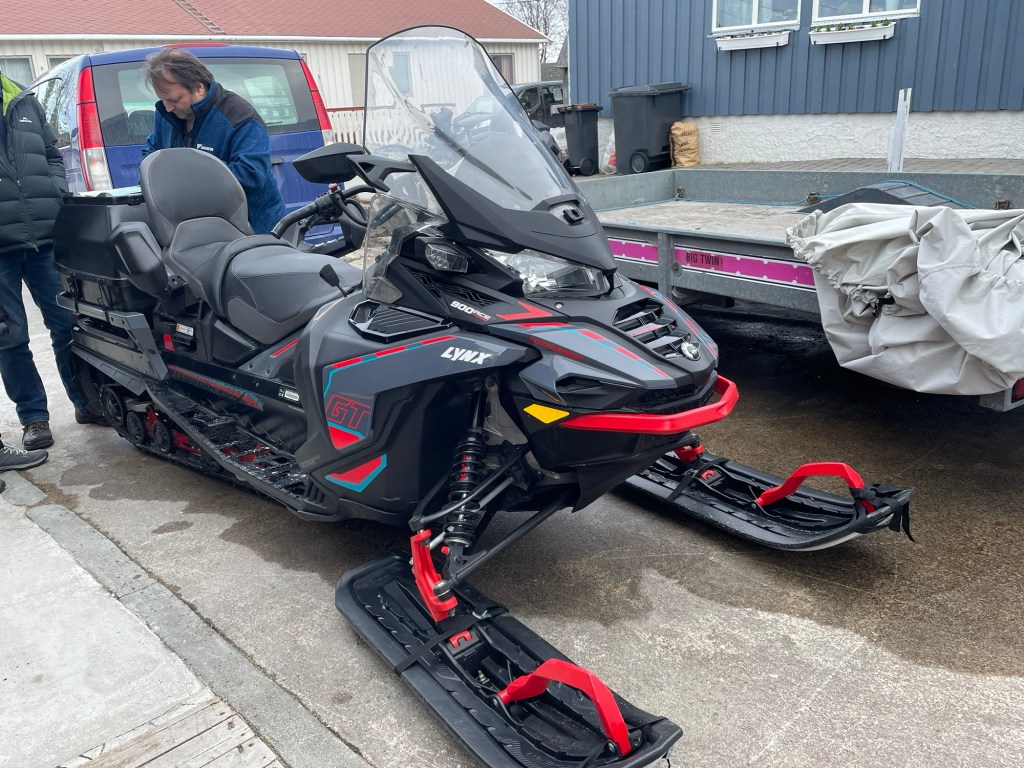
We also chatted with the owner of the apartment we stayed in that night who talked about his four-bedroom cabin in the mountains. He proudly showed off his snow mobile that he takes there each weekend. There are no roads between many of the cabins so they use the snow-mobile to visit friends and get around. It was quite luxurious with heated seats and handles for the driver and pillion passenger.
Eating out in Kirkenes was surprisingly cheap and the local bakery was perfect for lunch and breakfast the next morning, with a good selection of home-style food and very nice coffee. That night we went to a restaurant with a tapas style menu. We ordered half a dozen different dishes to share and they were all delicious.
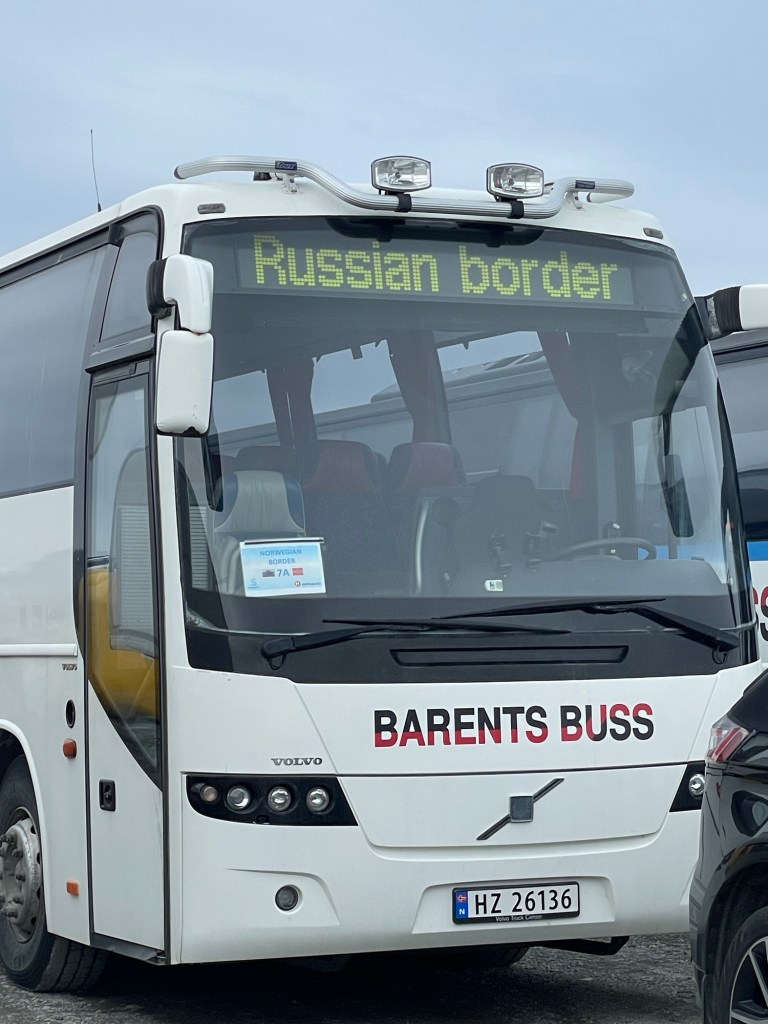
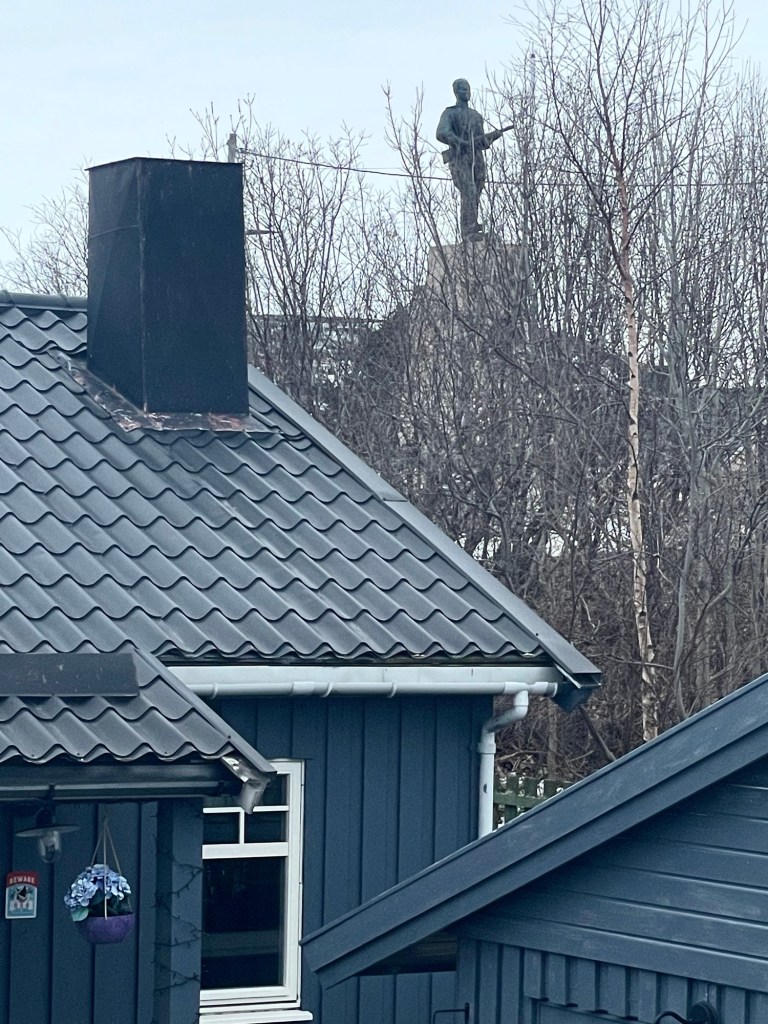
There were a few signs of our proximity to Russia, including a tour bus to the border. Outside our apartment window I caught sight of a statue of a soldier with a gun, high above the houses … a Soviet freedom statue, commemorating the liberation of Kirkenes by the Red Army in 1944, from German occupation.

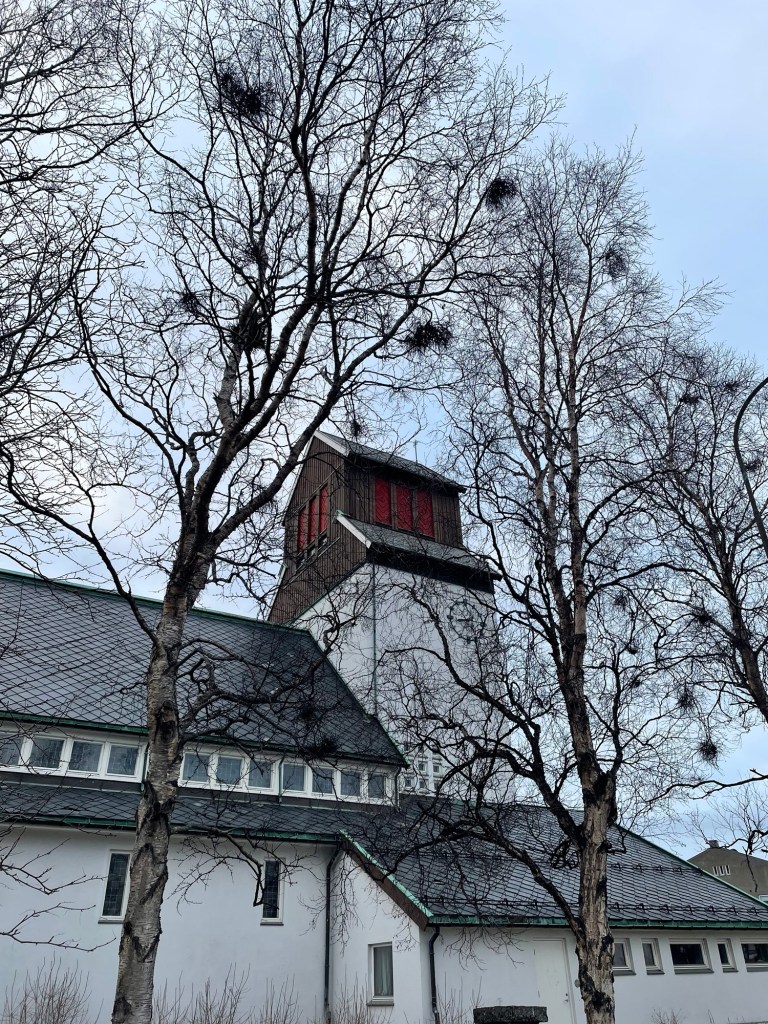
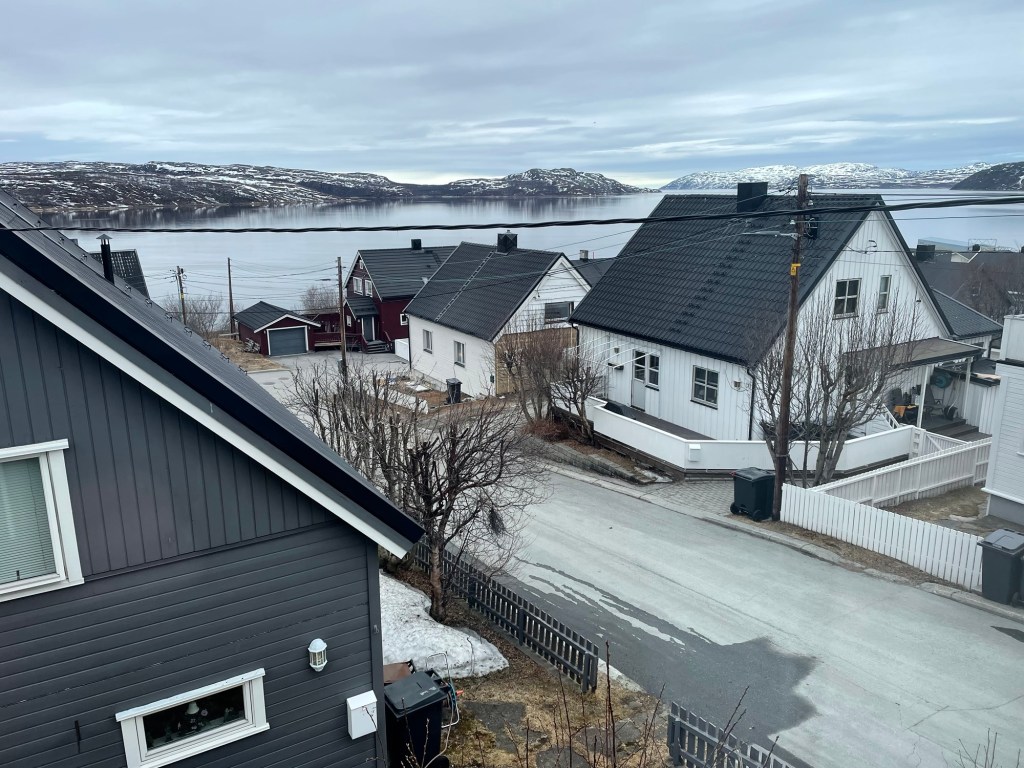
When we first arrived in Kirkenes it had felt like we’d landed in the middle of nowhere, but it very soon became apparent that, despite its remote location, life there is just like any other small town. Every week many people visit to board or disembark the Hurtigruten and stay a night or two and so there is also a sense that tourism has been very good for the town and its people.
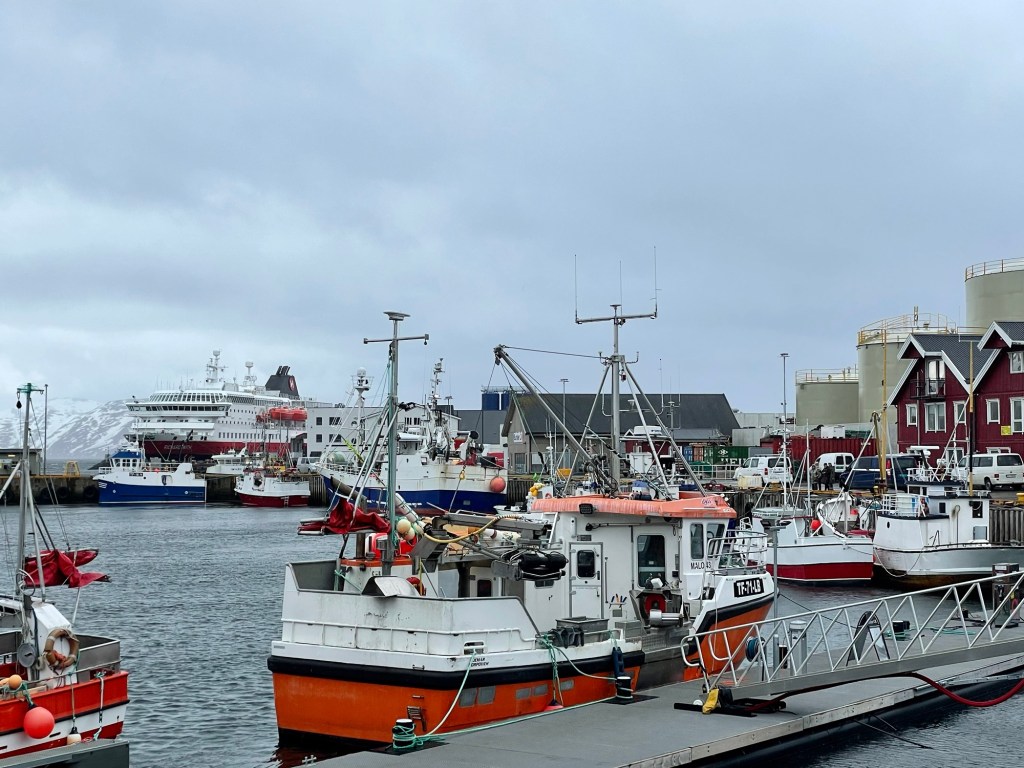
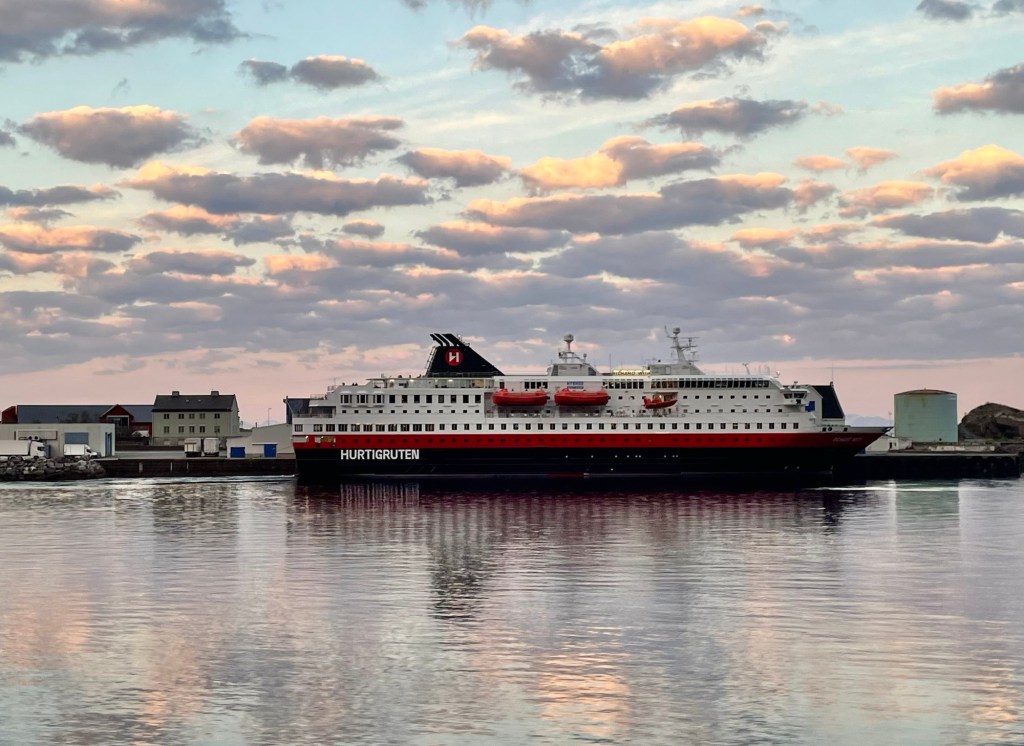
The next morning, we walked down to the dock and boarded the Hurtigruten … our home for the next five nights. The word Hurtigruten literally means ‘fast route’ and is a Norwegian public coastal boat transporting passengers travelling between Bergen and Kirkenes. It is a passenger ferry as well as a cruise and shipping line.
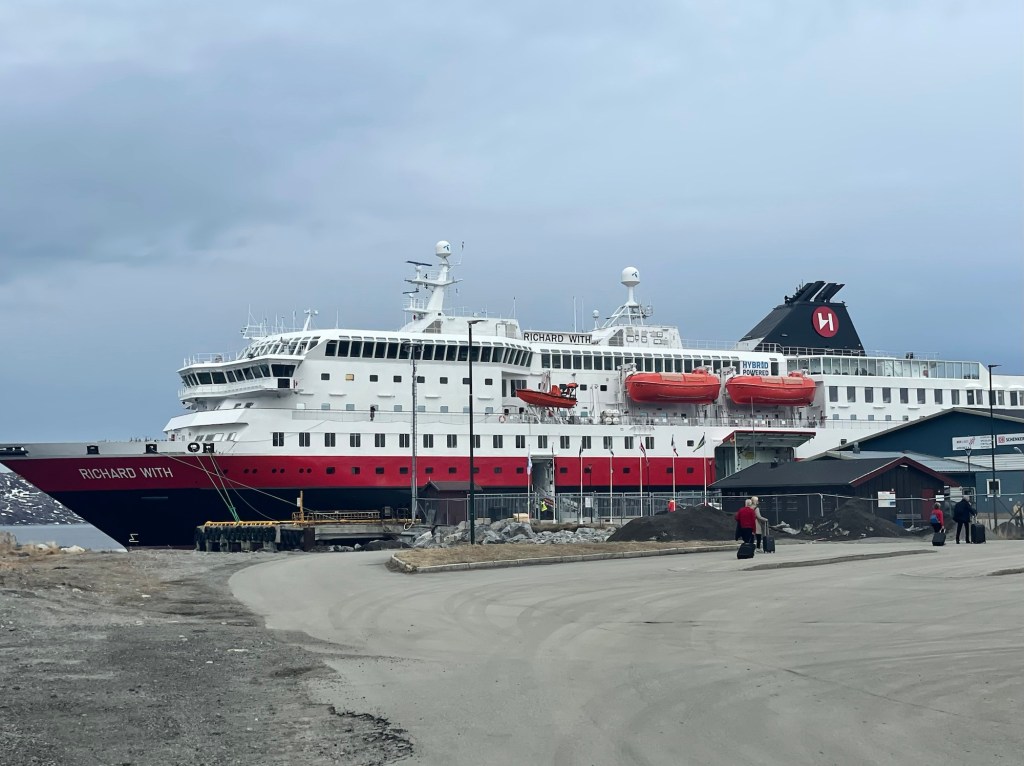
The Hurtigruten was established in 1893 by government contract to improve communications along Norway’s long, jagged coastline. Mail that once took three weeks in summer and five months in winter to deliver, now takes around seven days. There are 34 ports on the route. Most of these are for short stops to drop off people and cargo.
Once we’d checked in, we went to the dining room for a buffet lunch. There was an amazing spread of hot and cold dishes to choose from. We learned from our waitress that there were two hot tubs on the sixth deck, outside at the very back of the boat, and that they were rarely used. After lunch I changed into my bathers and headed up for a dip. It felt very special and a little surreal to be relaxing in the warm water as we sailed past snow-capped mountains.

Throughout the day the staff informed us via the loudspeaker of points of interest to look out for in the water or on the shore, including whales, fishing boats and landmarks. I was lucky enough to be sitting at the front of the boat while a pod of killer whales dived in and out of the water as they feasted on a school of fish.
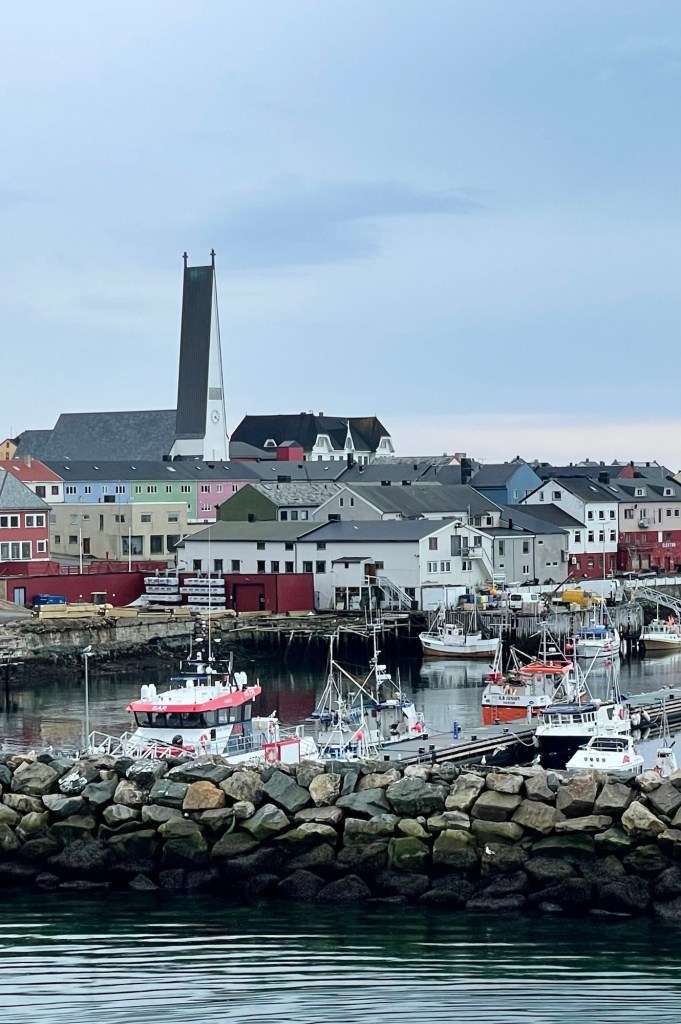
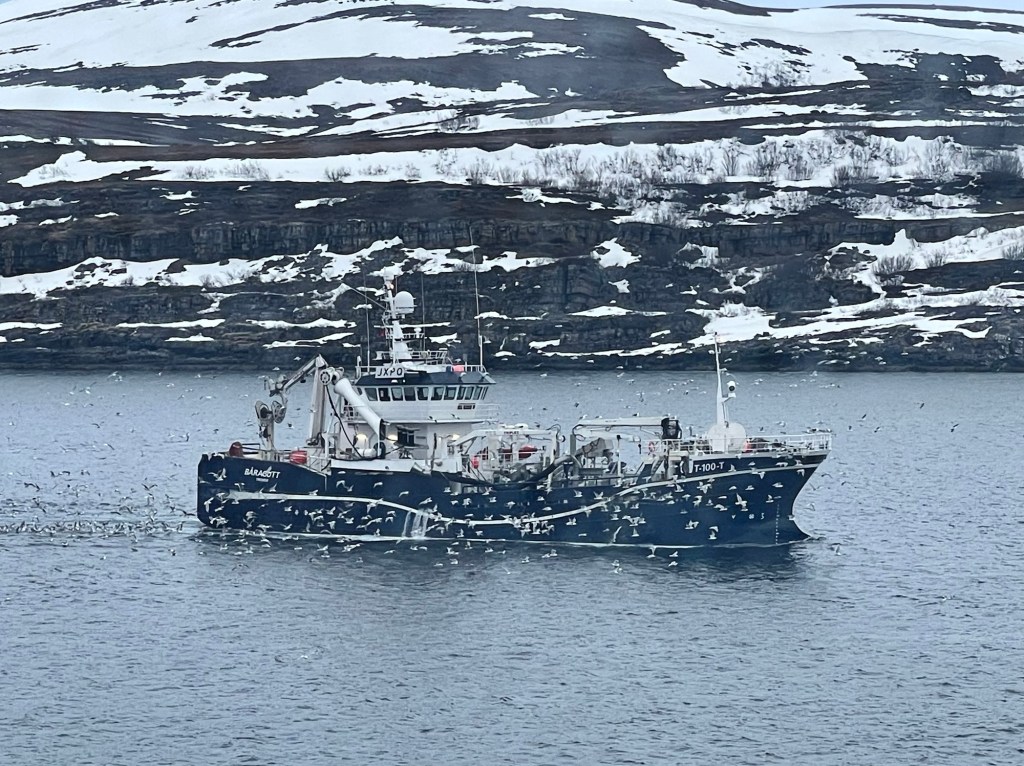
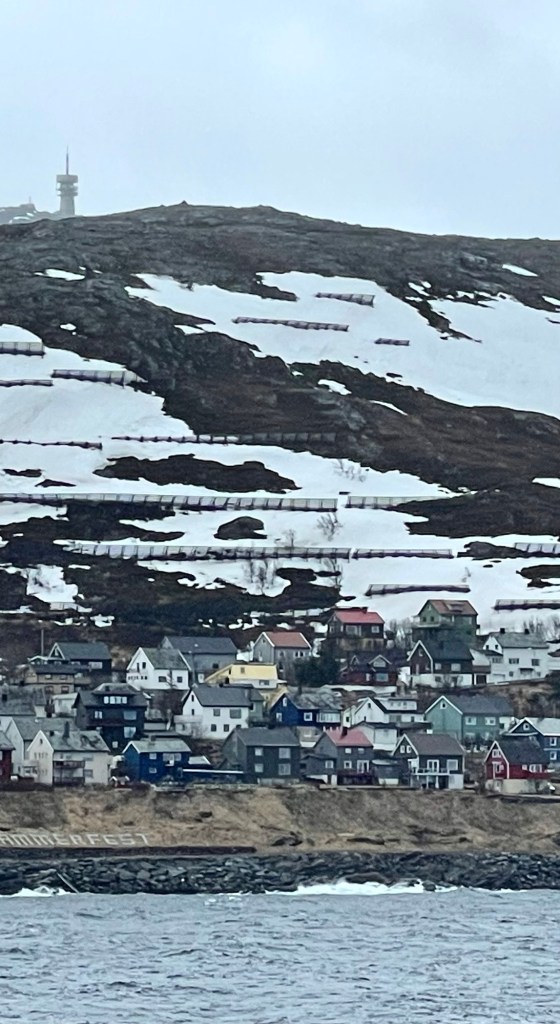
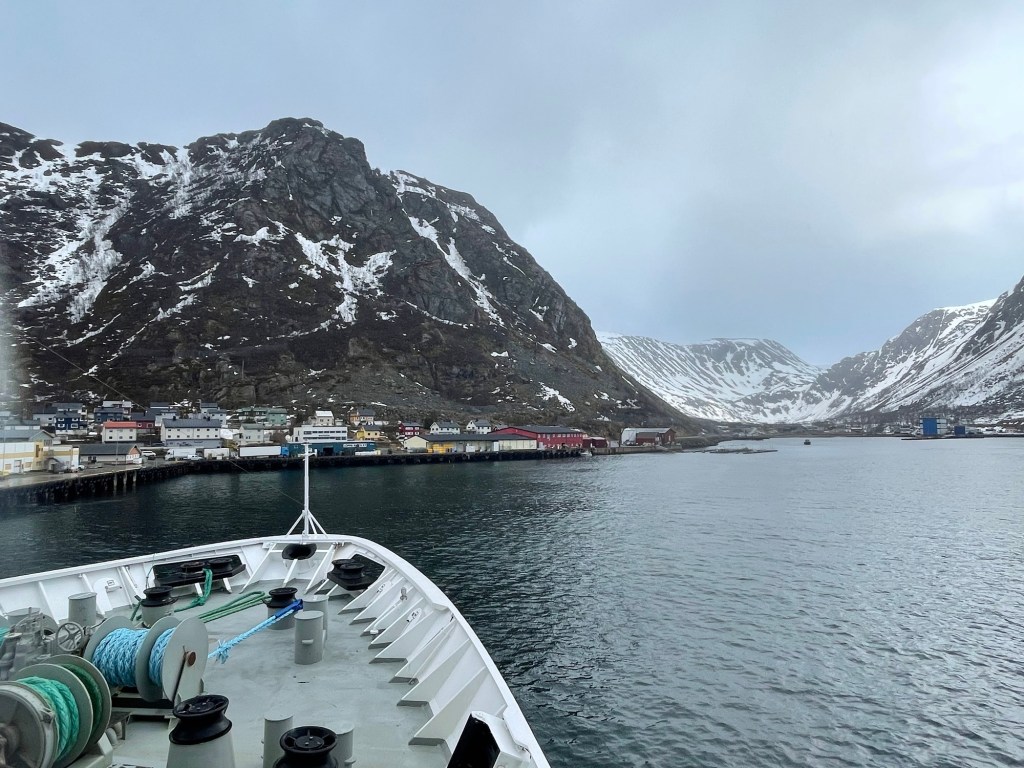
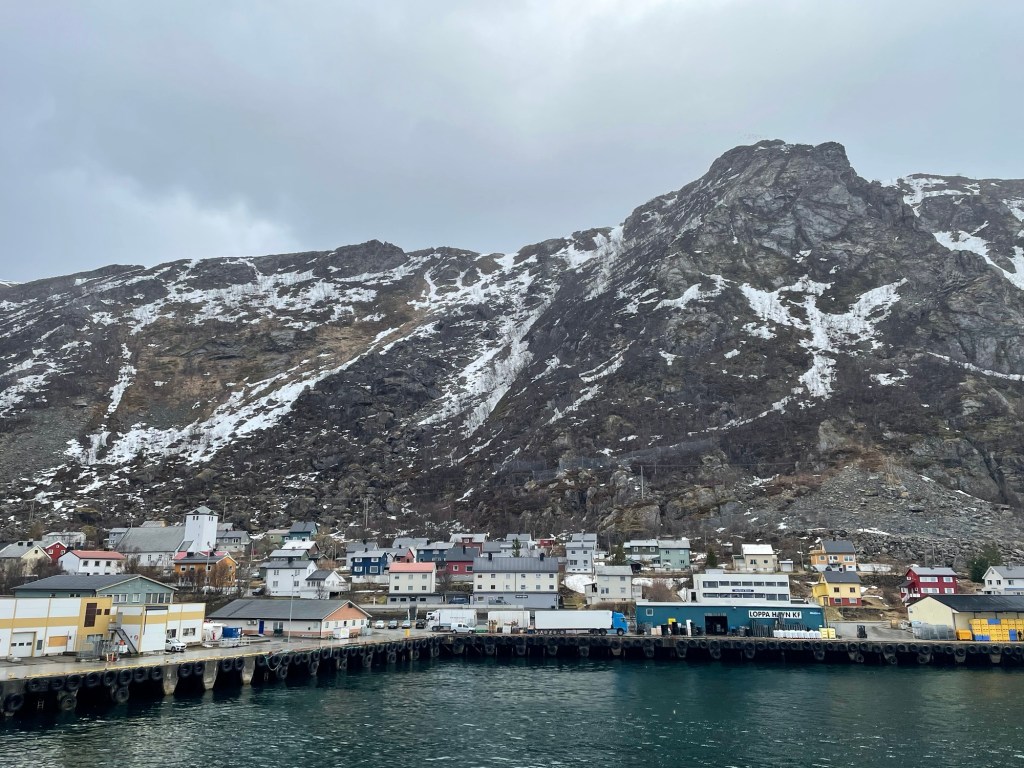

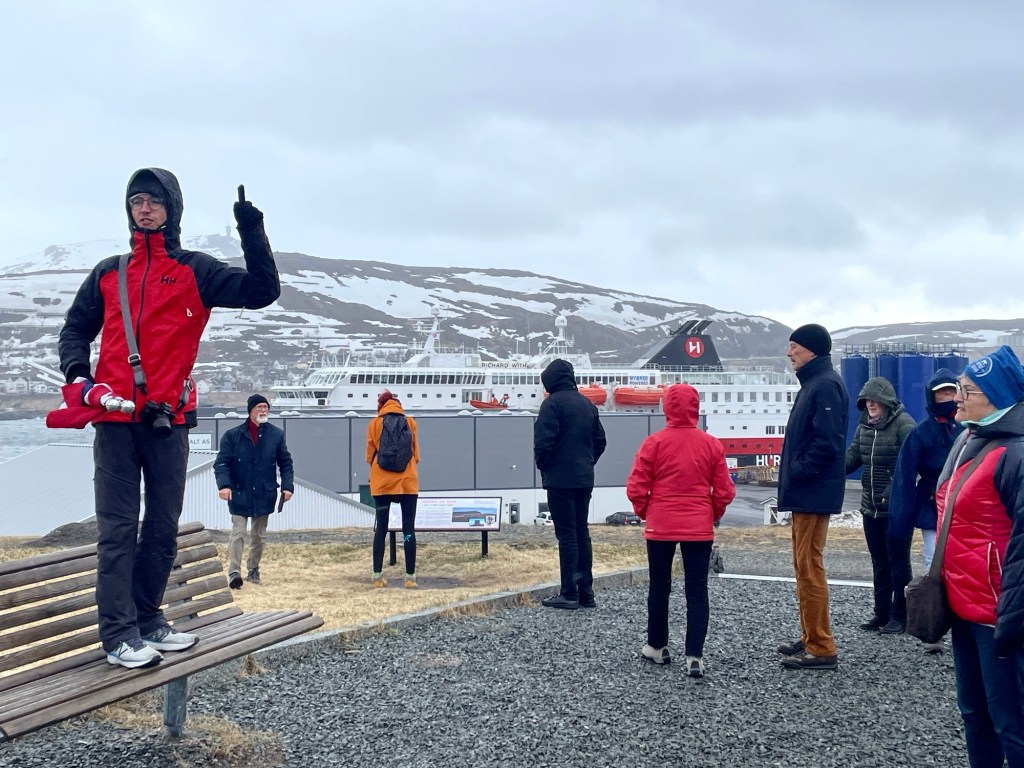
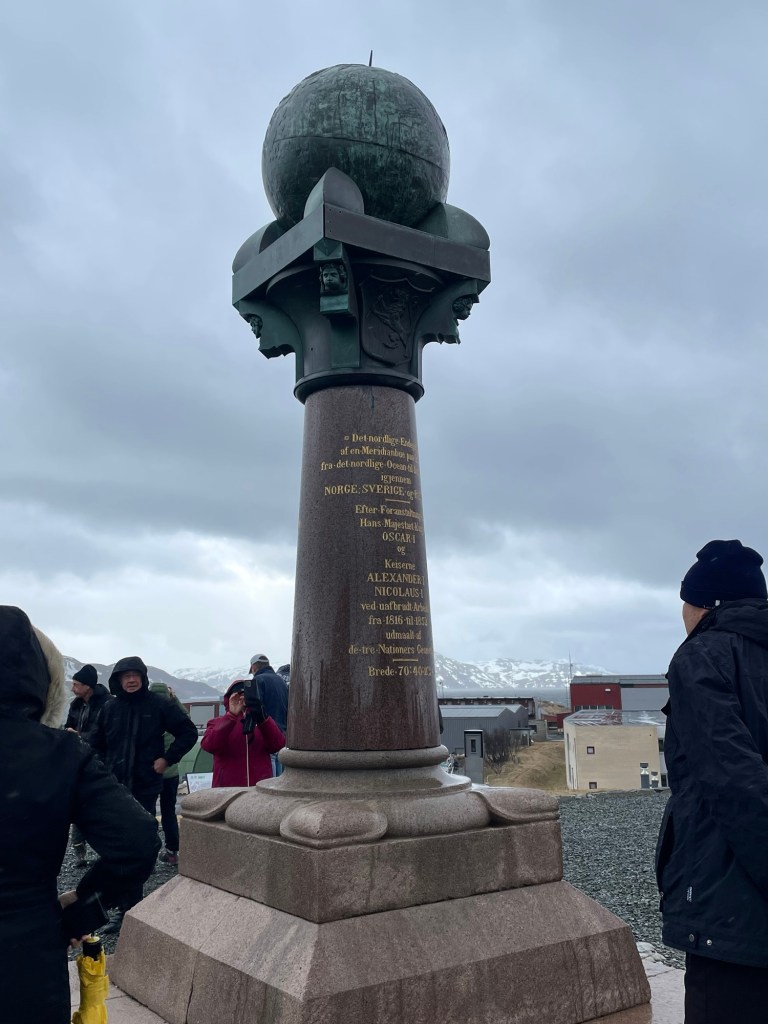
The second day we sailed along the north coast. The weather was bleak and the sea was choppy. There was not a lot to see other than snow-capped mountains and many of those were covered with fog. Due to the bad weather, we docked at Hammerfest an hour later than scheduled and so the excursion we’d booked … The Northernmost Town in the World … was cancelled. Instead, we had a short, guided tour to the meridian column. This column commemorates the first survey to determine the size and shape of the earth and marks the northernmost measure point. It was very cold and wet but nice to be off the ship for a short time.

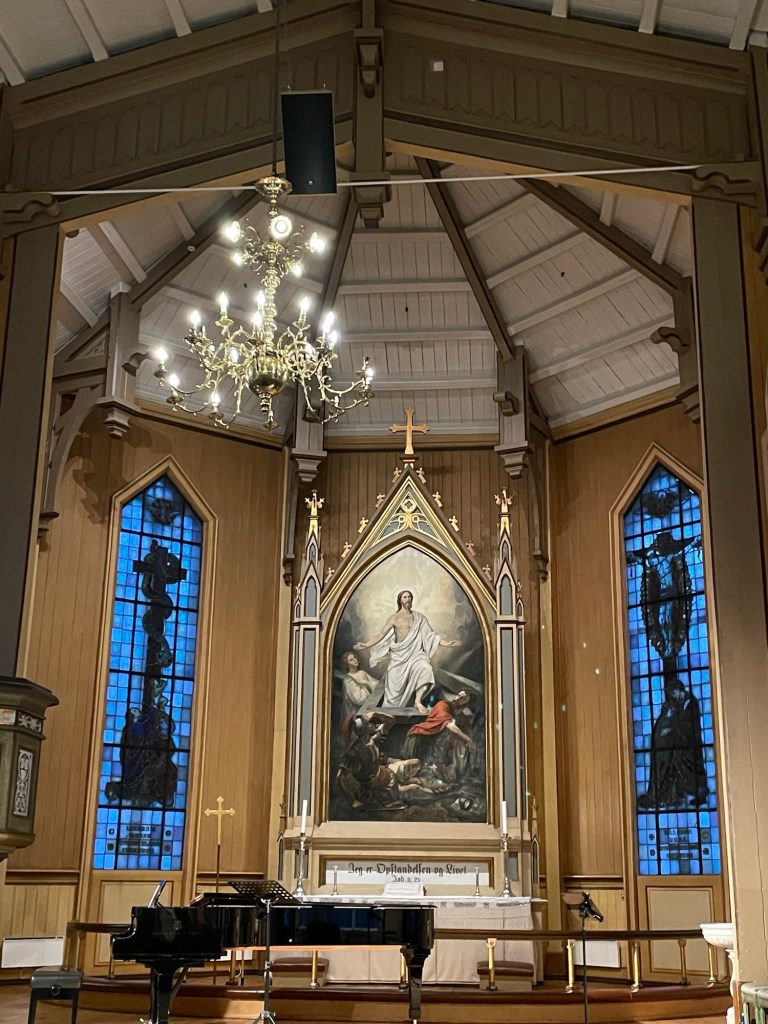
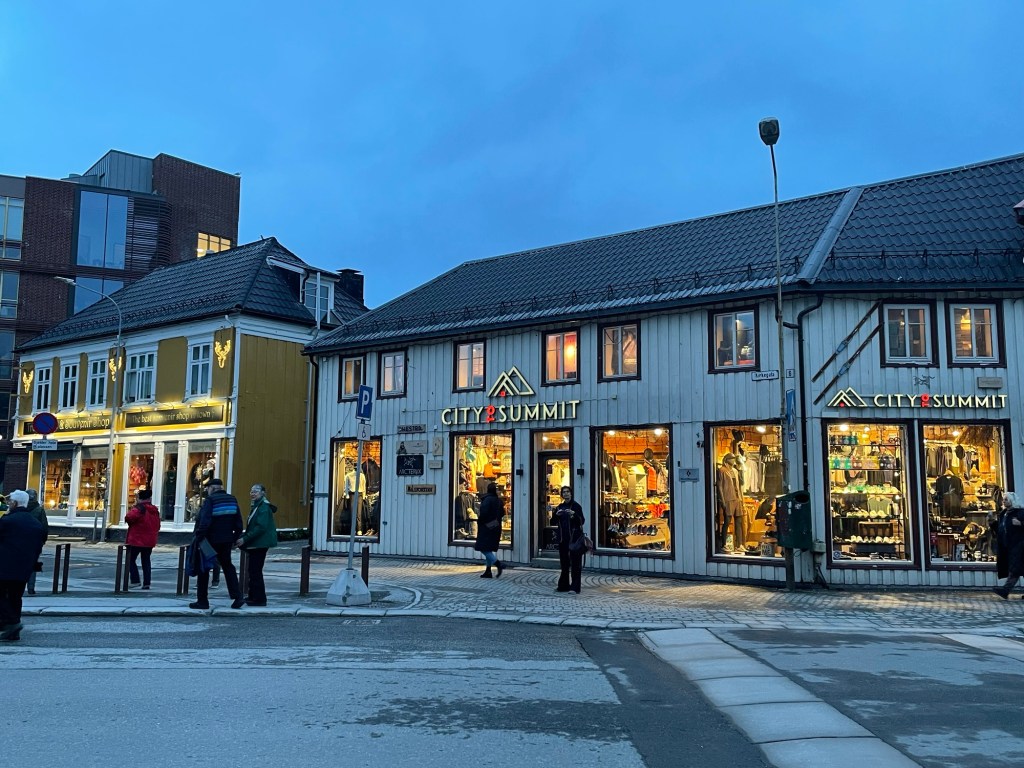
Later that night we stopped at Tromso and walked from the boat to the beautiful wooden Cathedral for a midnight concert, where we listened to a trio of musicians perform Nordic classical melodies and folk tunes. The acoustic sound in the church was perfect for their performance. Afterwards, when we walked back to the boat in the very early hours of the morning, the sky was still a bit light. It felt very strange.

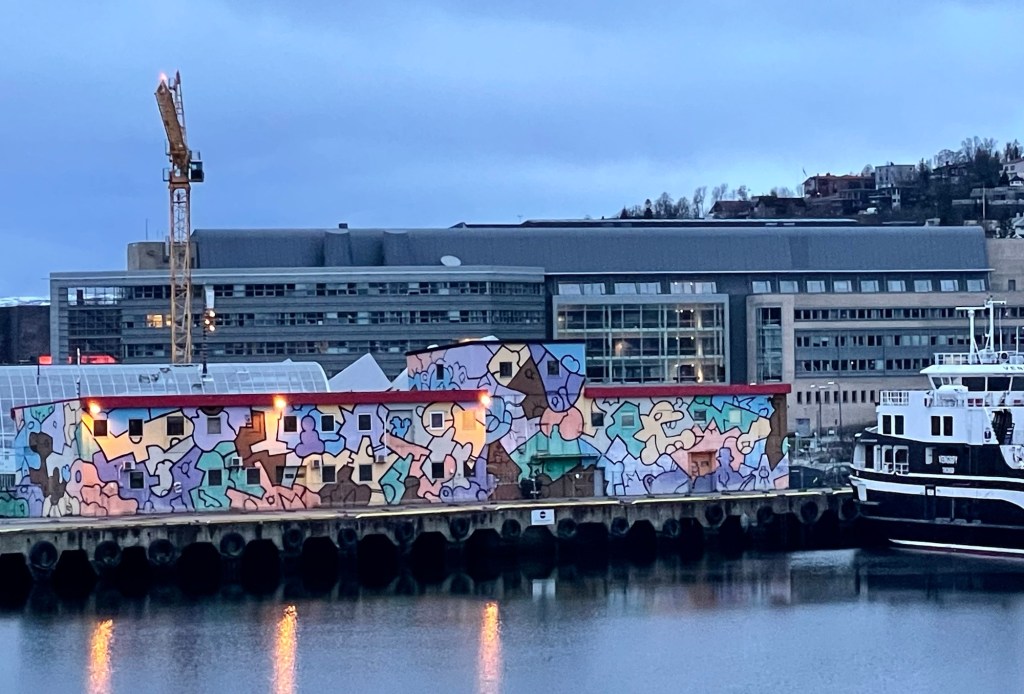
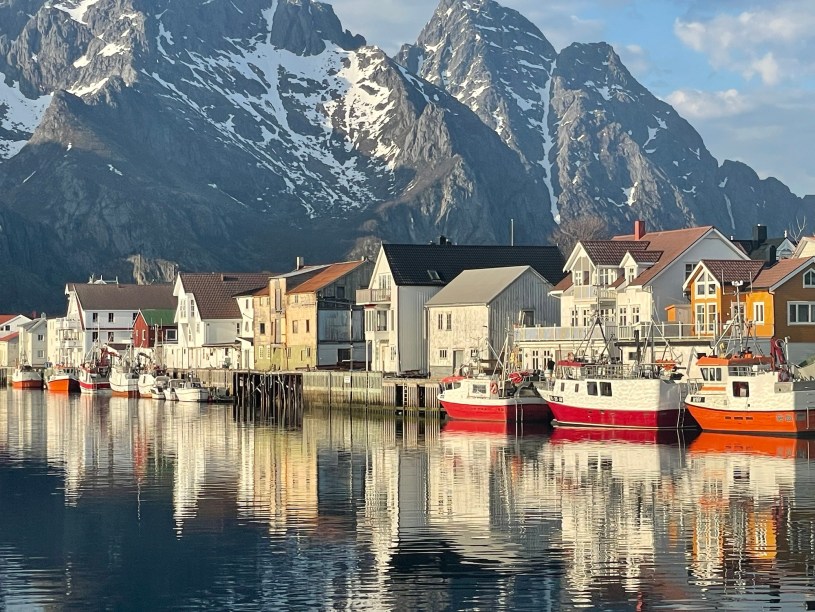
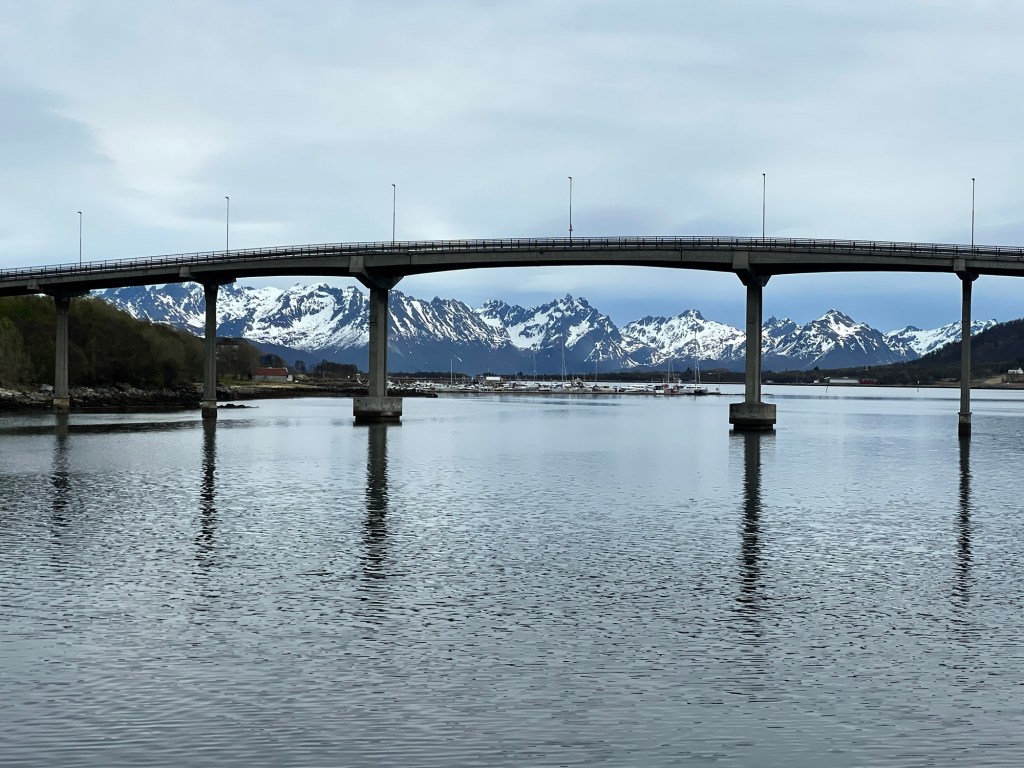
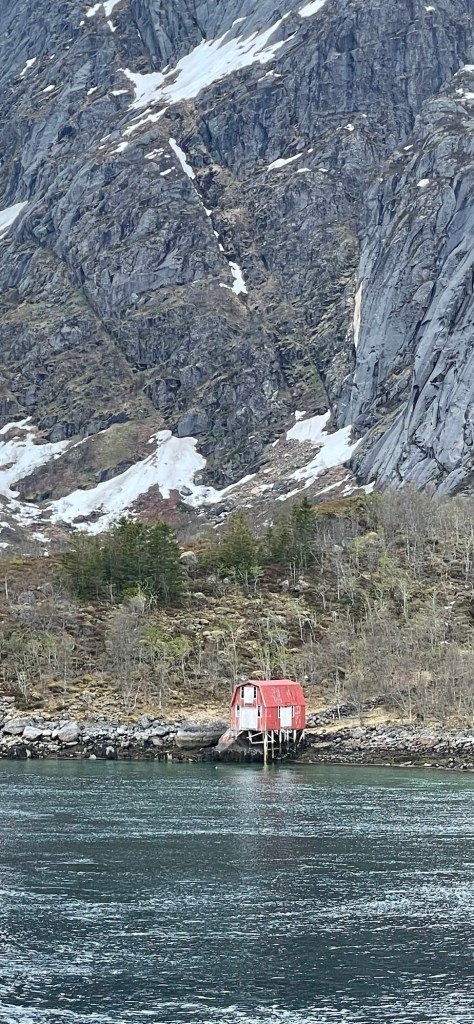
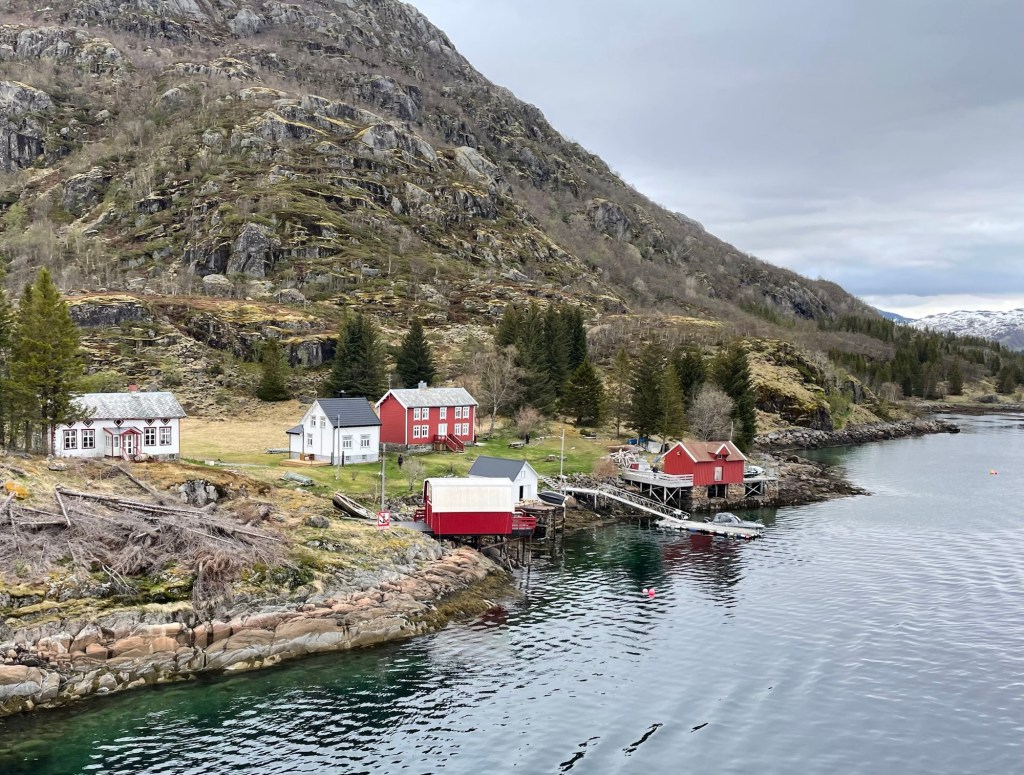
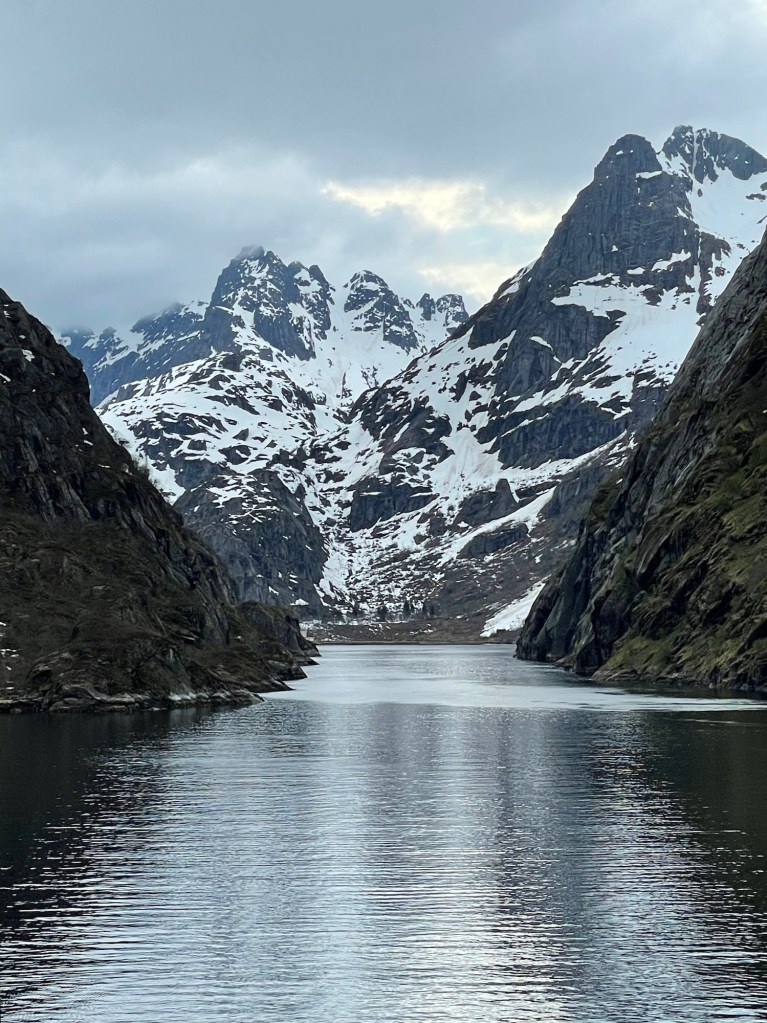
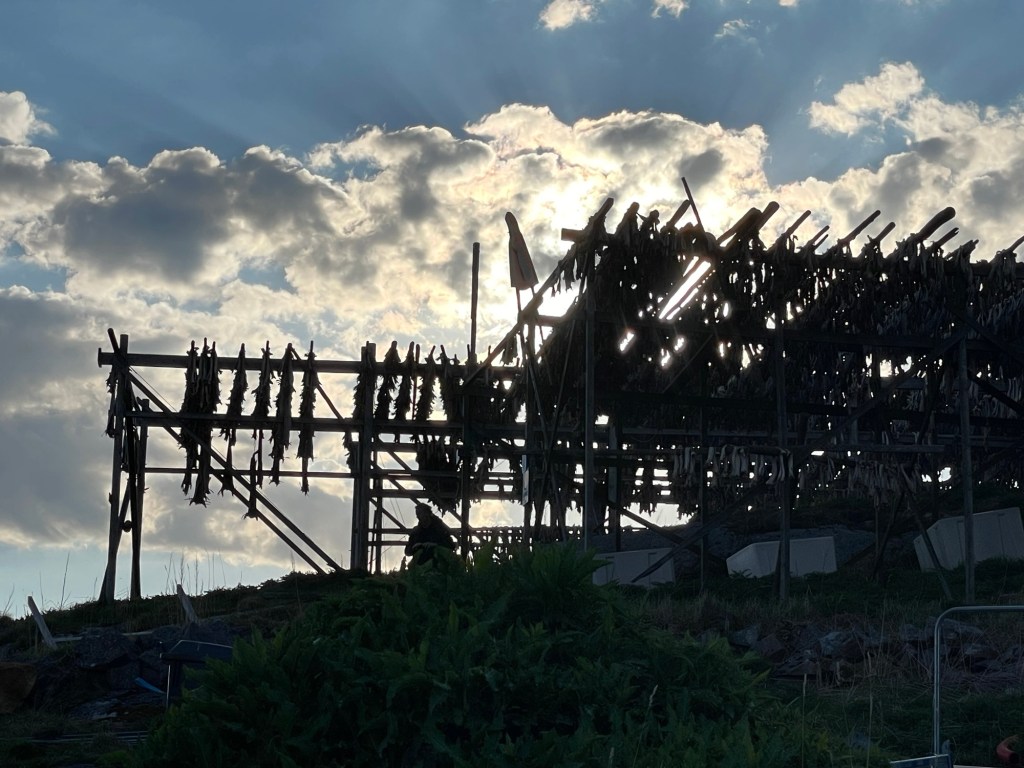
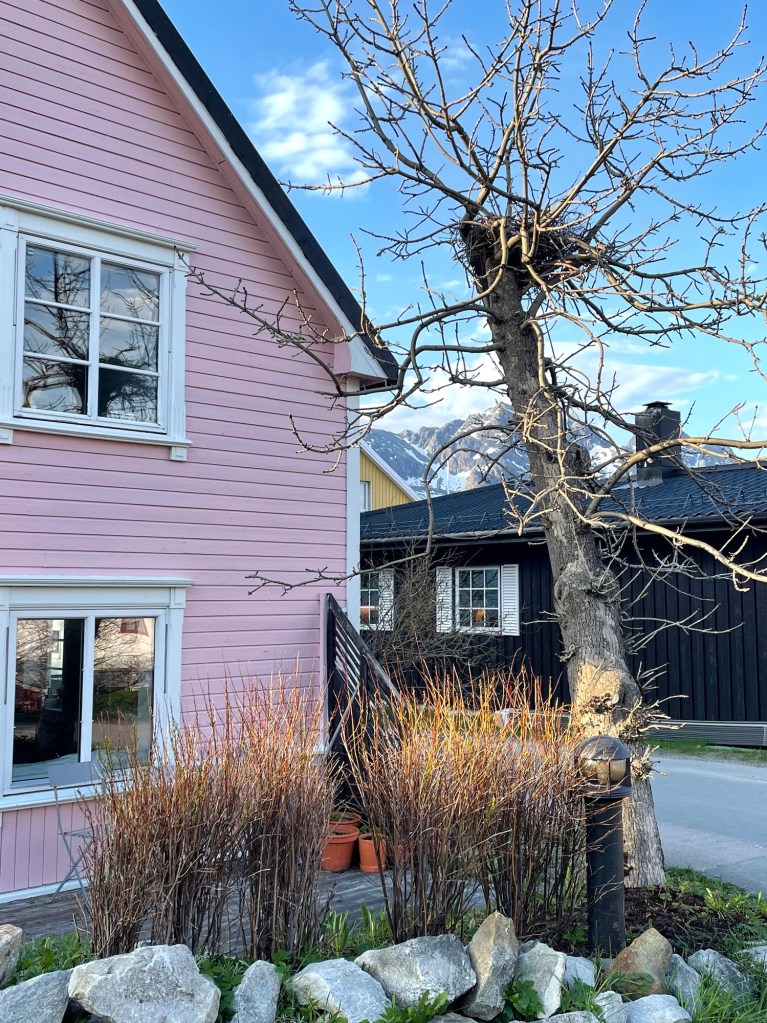
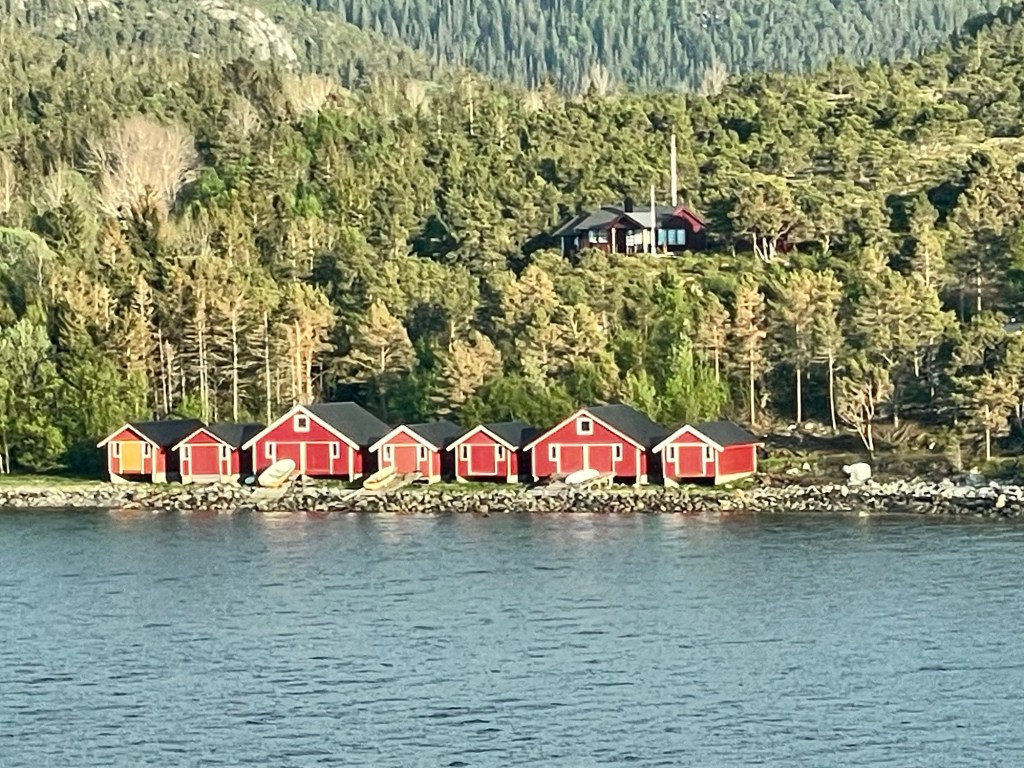
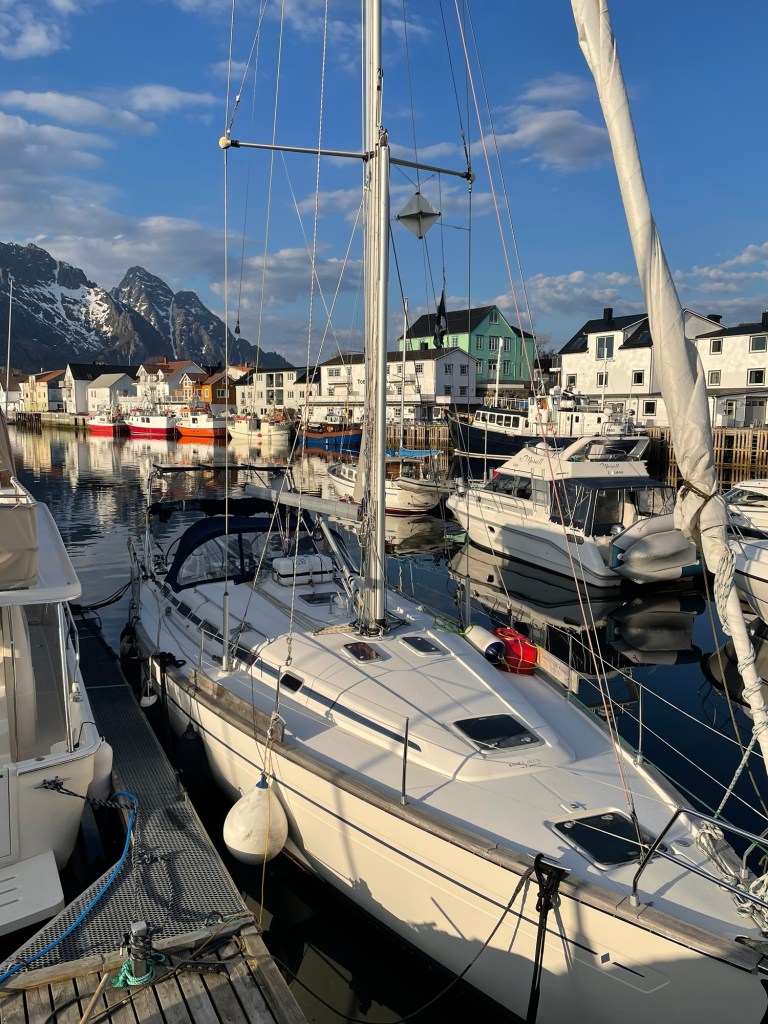
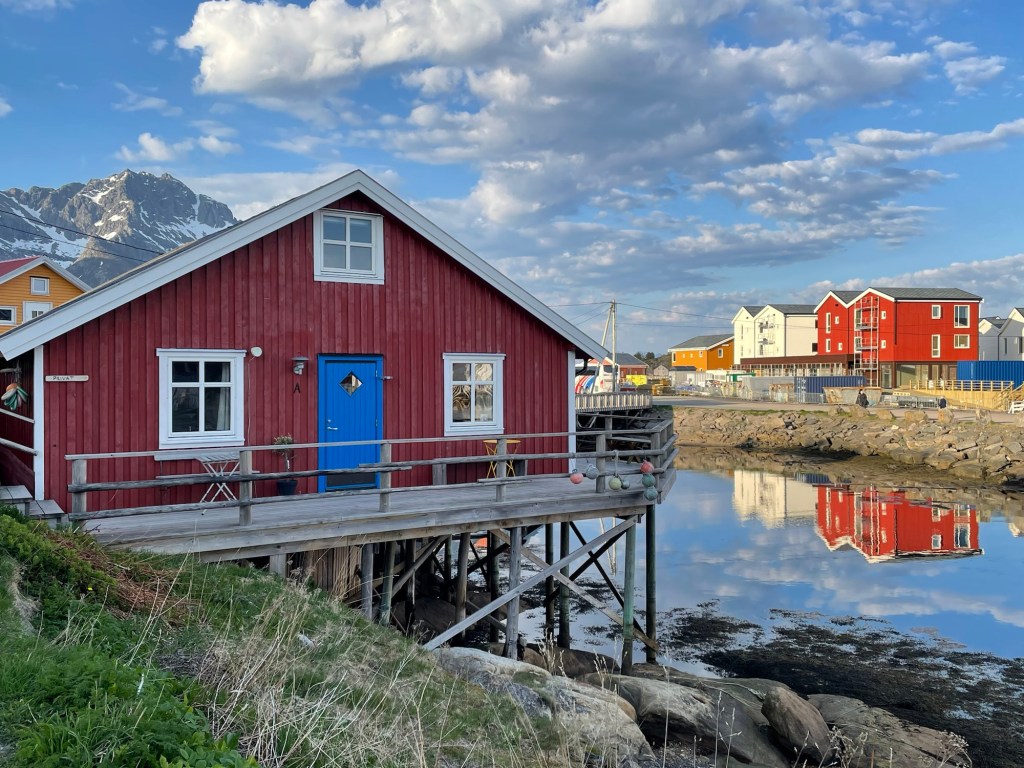
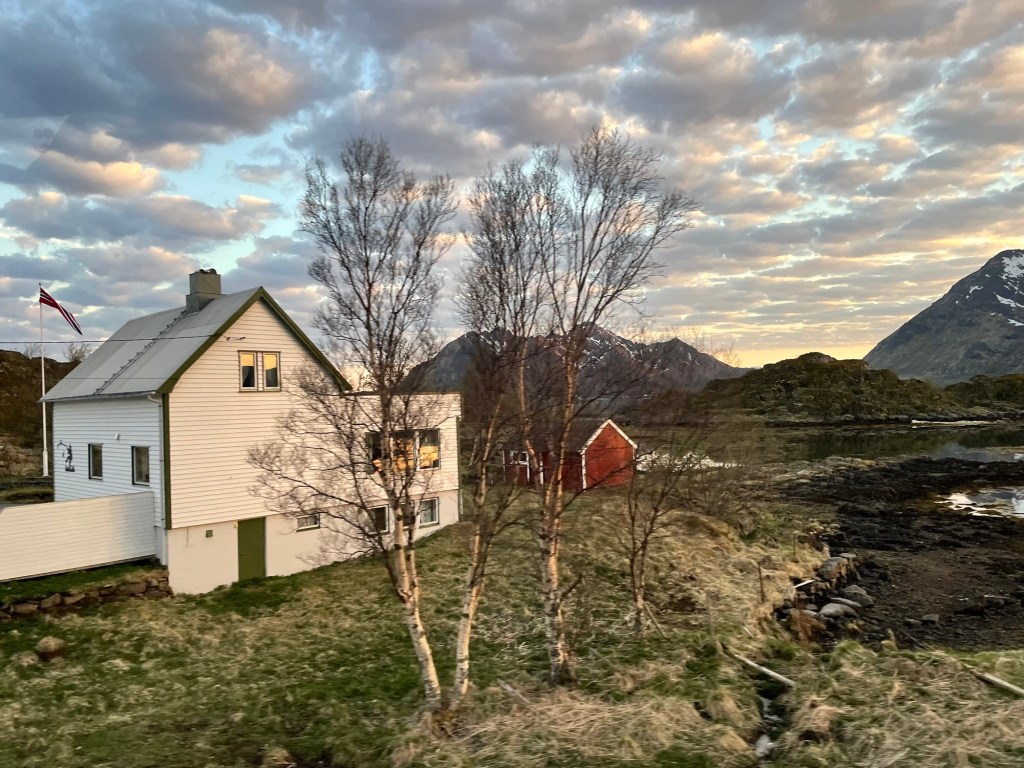
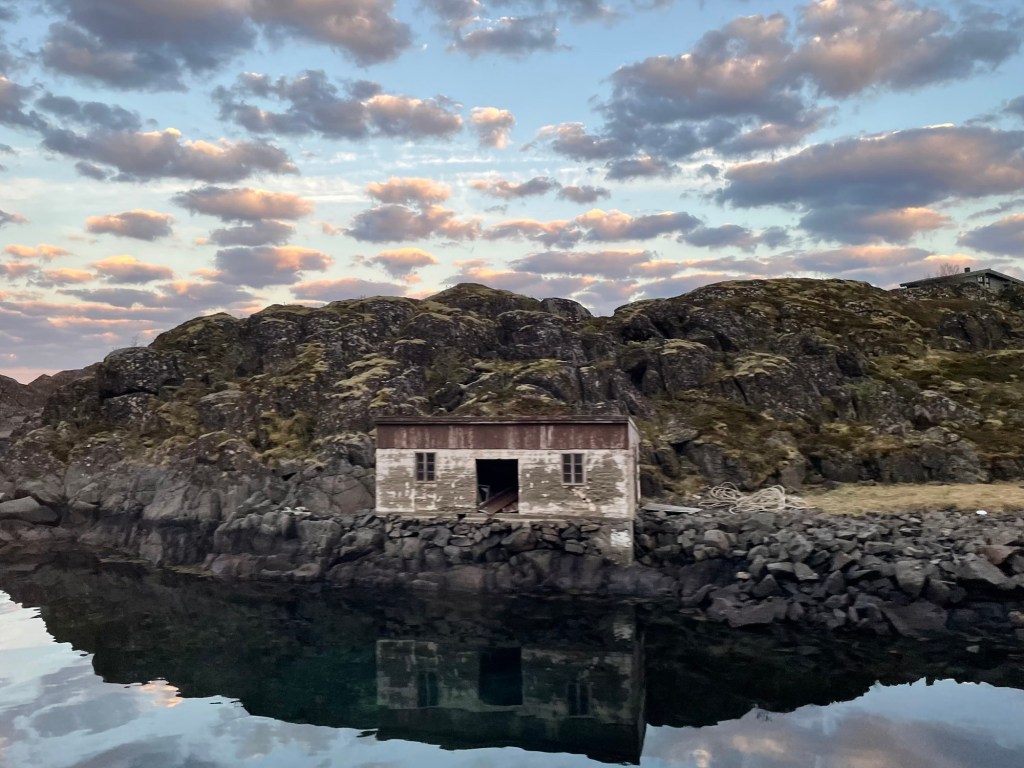
The weather was much better the following day. We sailed between islands and past fjords. There was so much to see and the scenery was spectacular. In the evening, we toured the beautiful Lofoten Islands by bus, spending ninety minutes in the small and picturesque town of Henningsvaer, located mostly across the islands of Heimoya and Hellandsoya. The town is still a fishing village, evidenced by the large number of cod drying on wooden racks as you enter the town, but draws many tourists thanks to its charming architecture and proximity to water activities. During our visit, we saw many camper vans and caravans there for Codstock, a three-day blues festival. Our guide talked about the ‘midnight sun’ the term they use for the period when there is 24 hours of daylight, generally between 28 May and 14 July. From 6 December to 6 January they experience the ‘blue hours’ when it is mostly dark and the sky is deep red and blue for just a few hours each day.
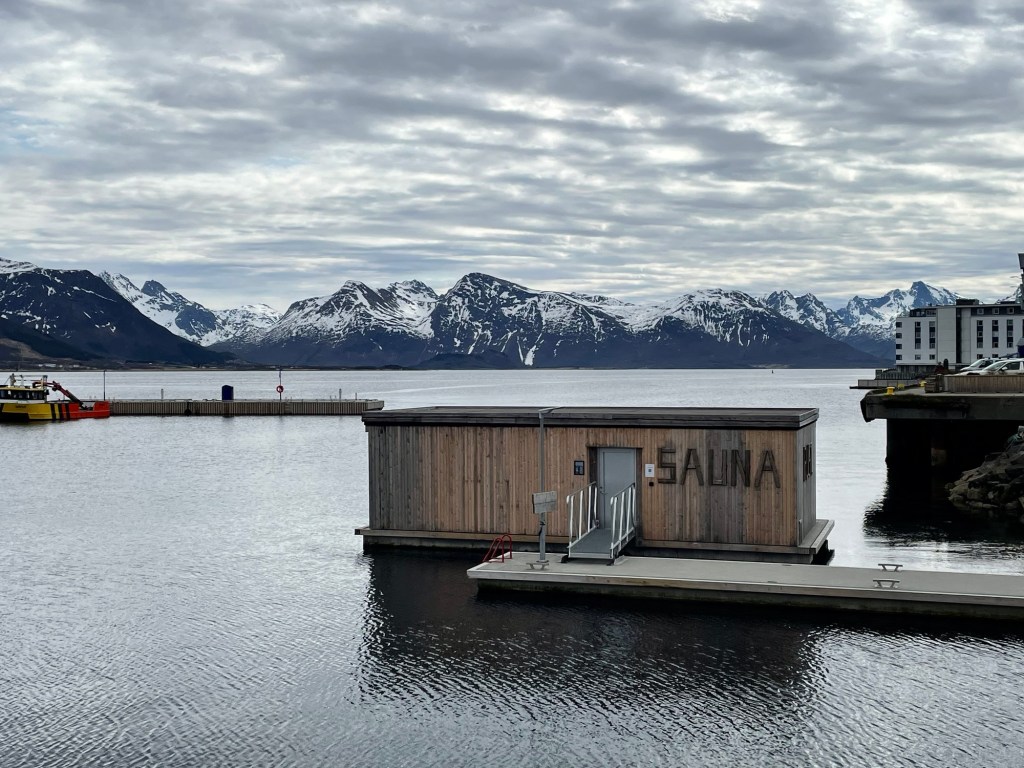
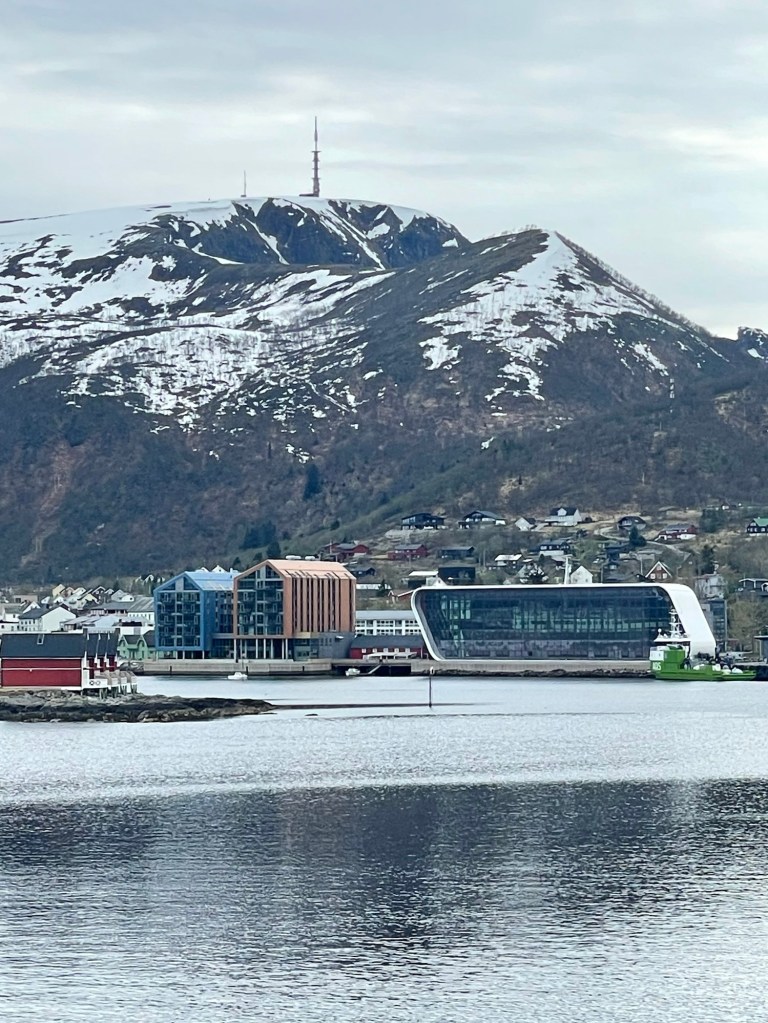
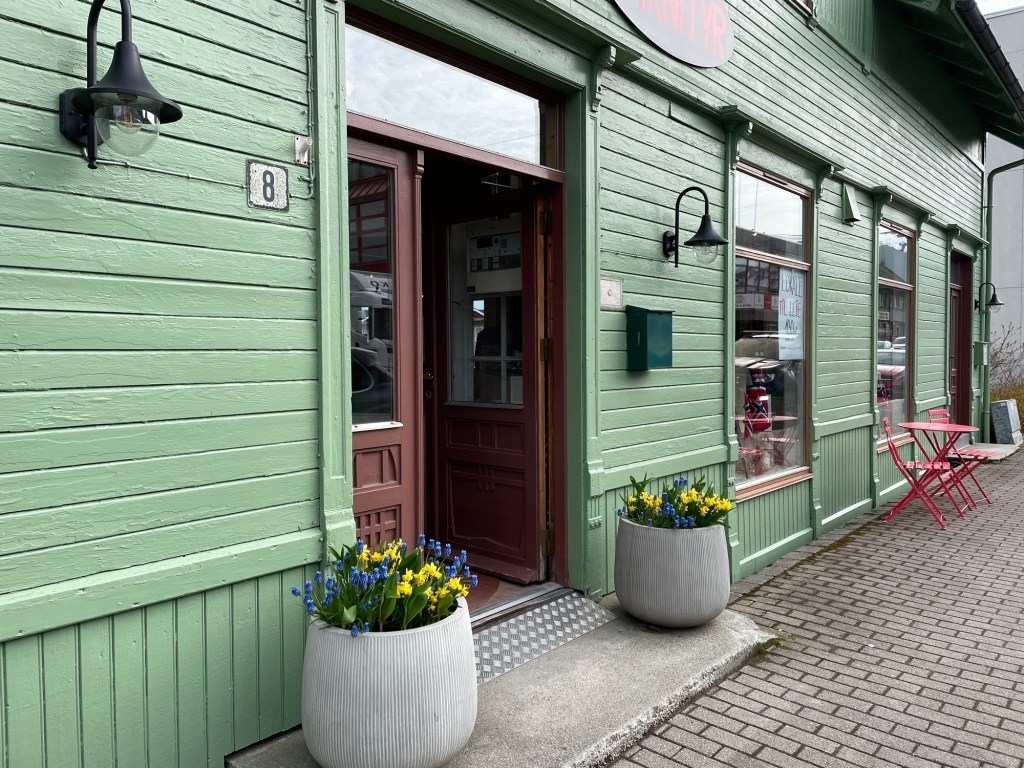

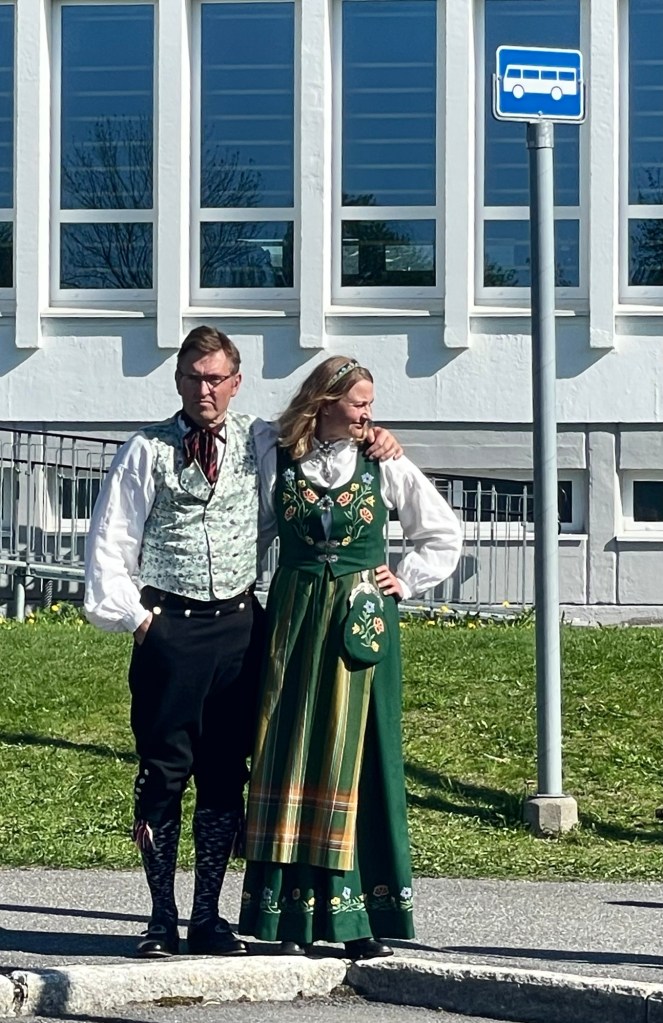
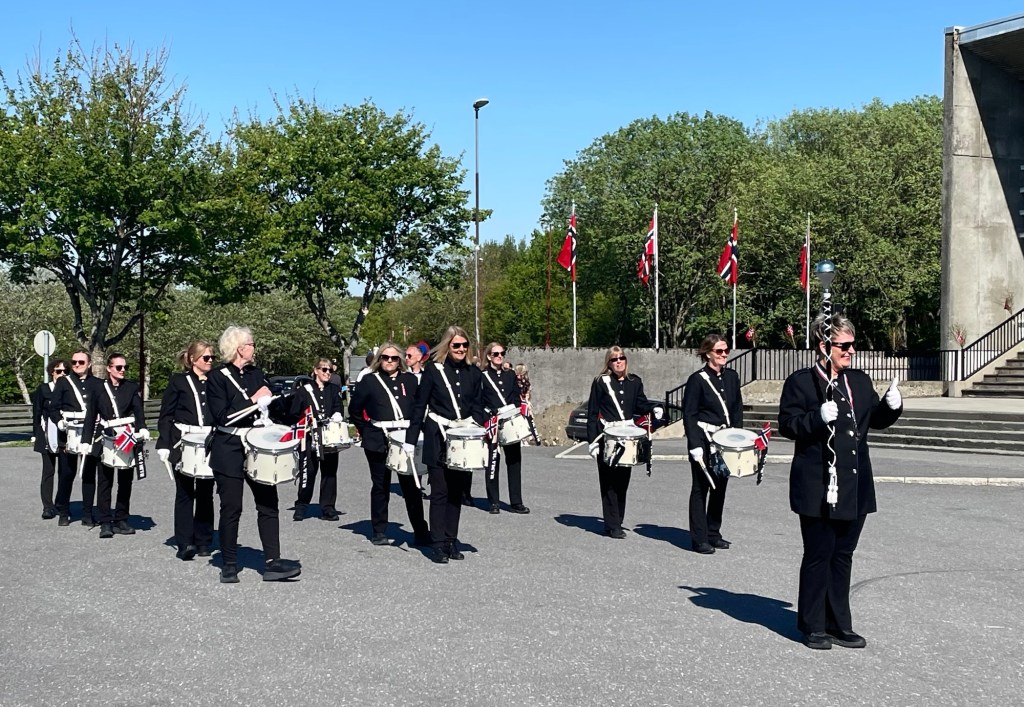
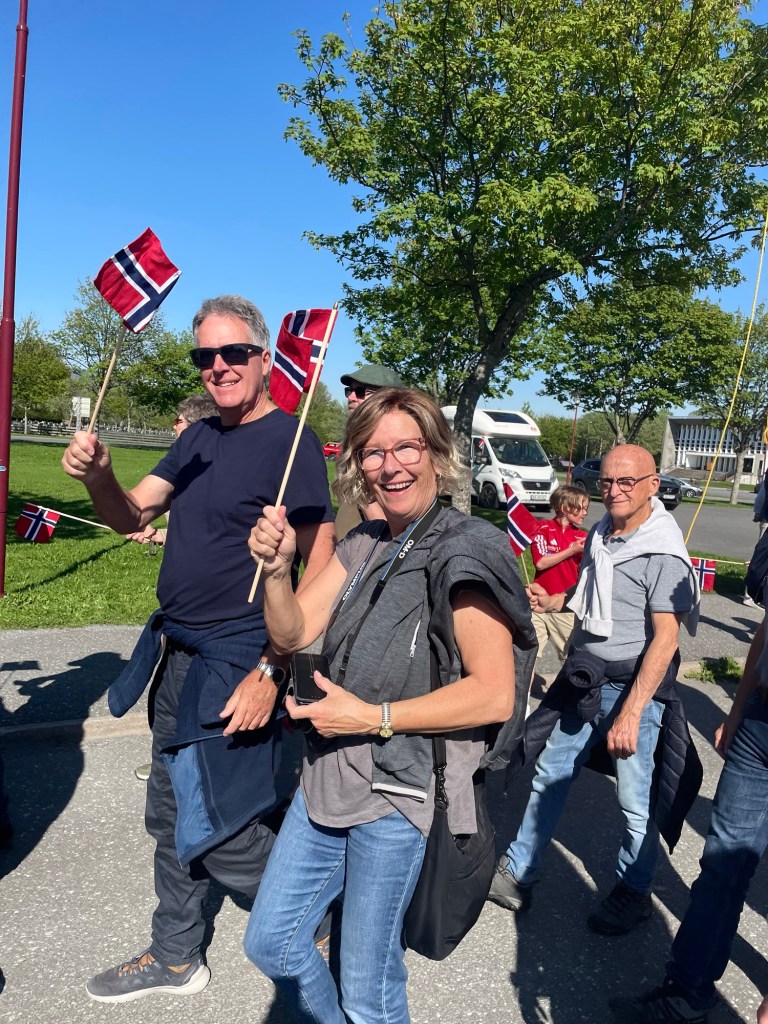
On 17 May each year, Norwegians celebrate Constitution Day and the declaration of Norway as an independent kingdom in 1814, following the Napoleonic Wars. It would be many more years before Norway gained total independence from Sweden, but it is nonetheless a very important and celebrated day for Norwegians. Our ship’s crew went to great lengths to teach us about the history and culture of Norway and we learnt to sing the Norwegian National Anthem. They also explained that we’d be joining the Constitution Day parade at the town of Bronnoysund. We would follow the Captain and crew as part of the Hurtigruten contingent of the parade.
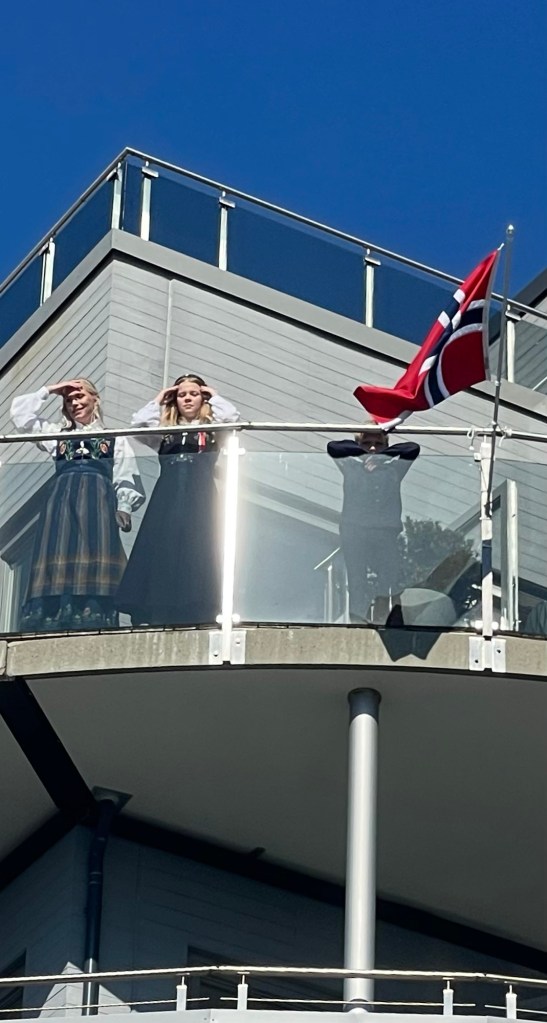
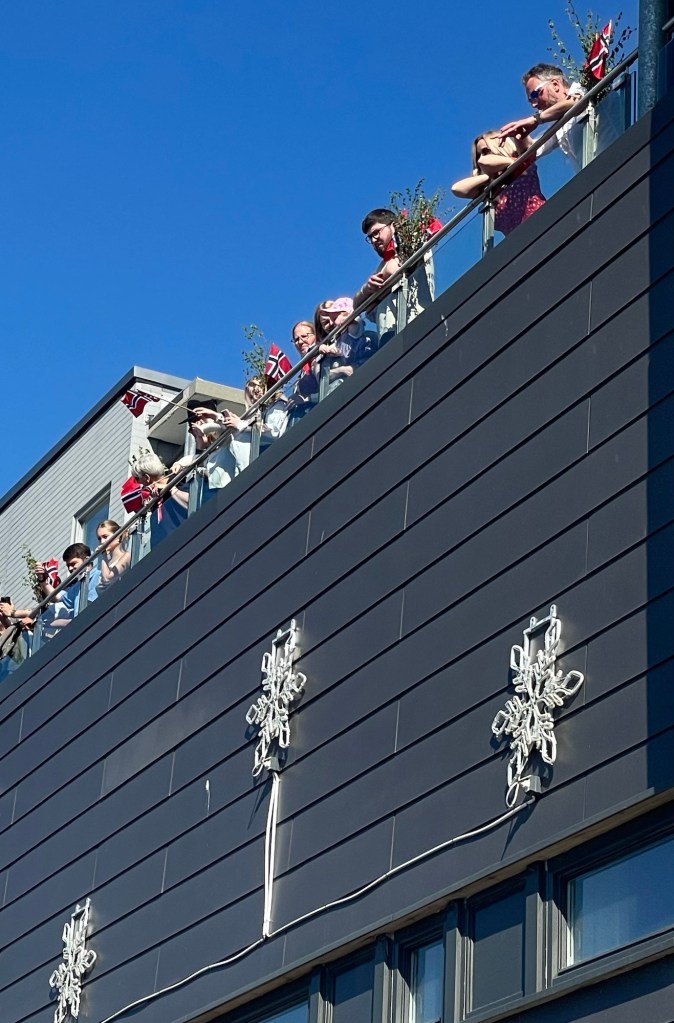
On the day, we all walked to the town hall with the crew and prepared to march. The local firefighters led the parade, followed by a brass band and then us! Most of the crew and many of the locals wore national dress. Behind us were many small, local sporting and interest clubs. There were so many children and lots of music and noise. The town’s residents lined the streets or looked down from their balconies, waving small Norwegian flags and shouting ‘hip, hip, hoorah’. It was a very special experience and we loved being a part of it.


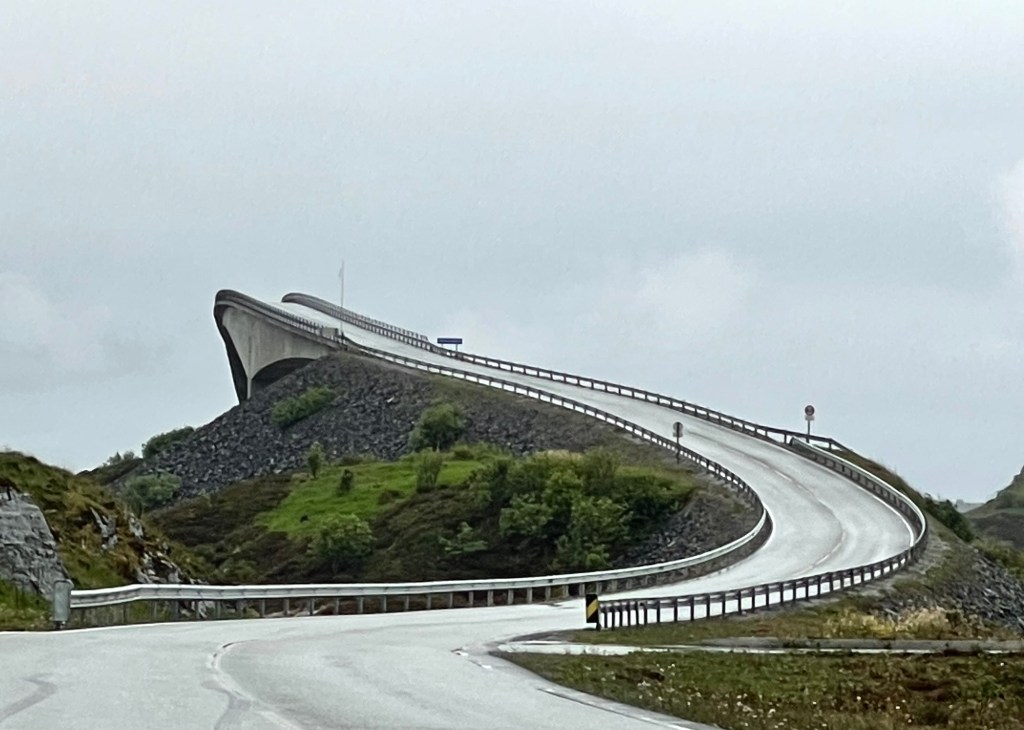
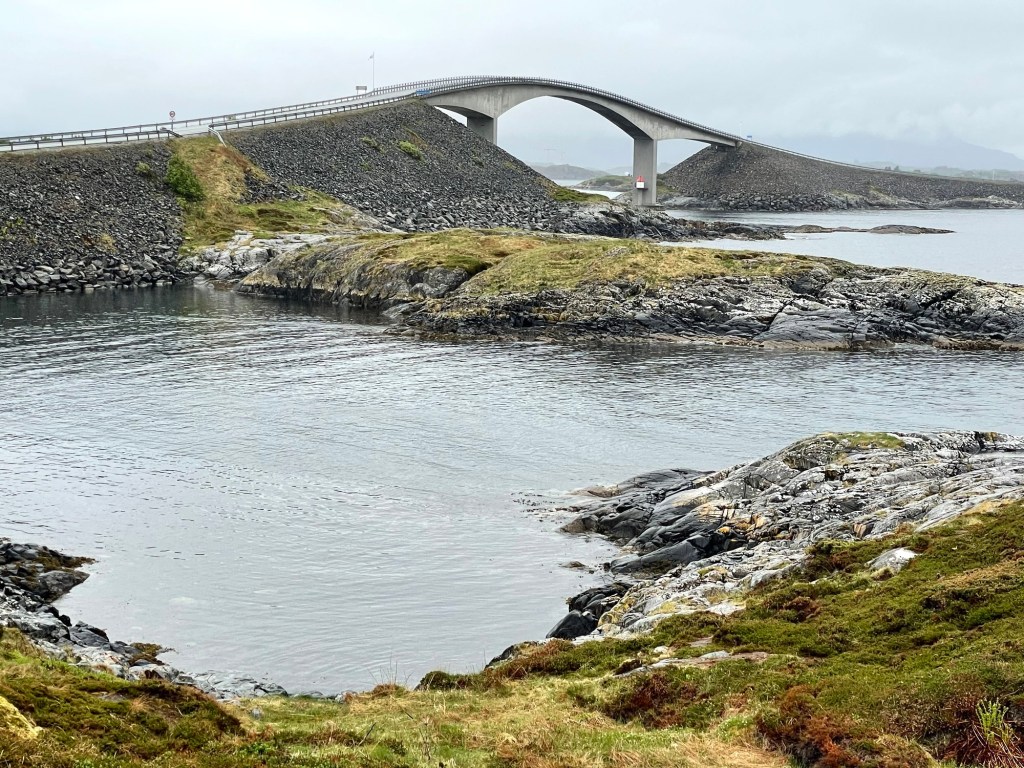
On our final evening of the cruise, we took another tour. Starting with a look around the picturesque town of Kristiansund, we continued to the island of Averoy, where the Atlantic Road begins. The road is eight kilometres long and one of Norway’s most popular attractions. It crosses over eight bridges that connect a series of small islands. The Storseisundet is the longest of the bridges and an amazing structure. It took six years to construct due to the region’s wild weather and is now the highlight of the Atlantic Road.
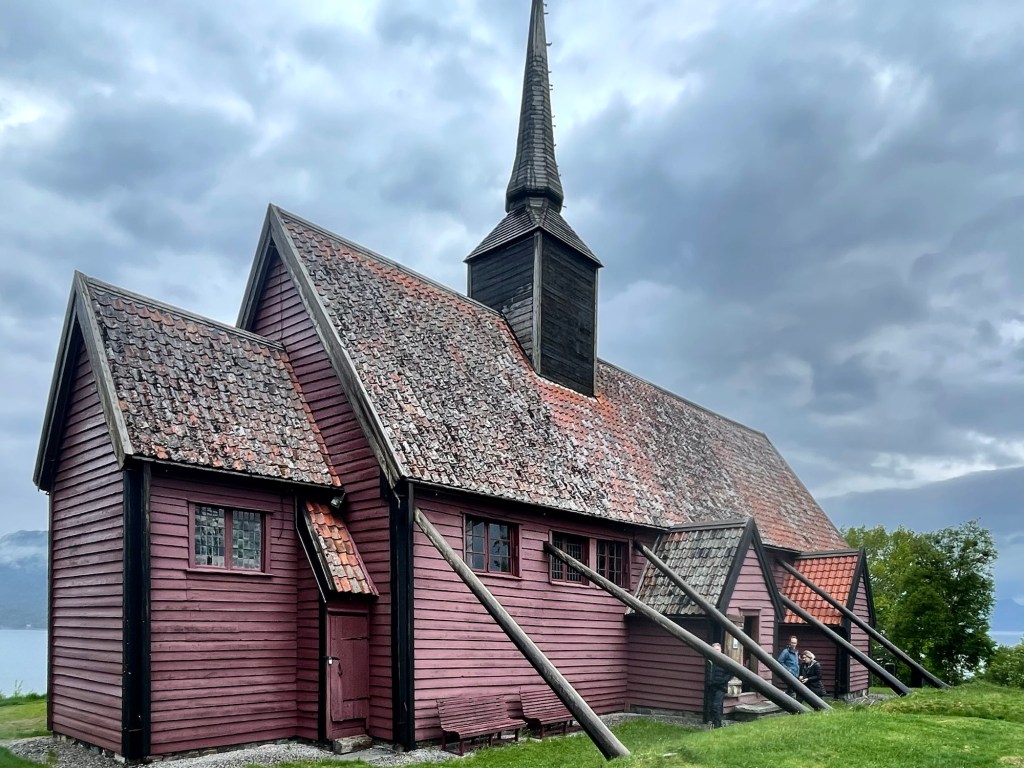
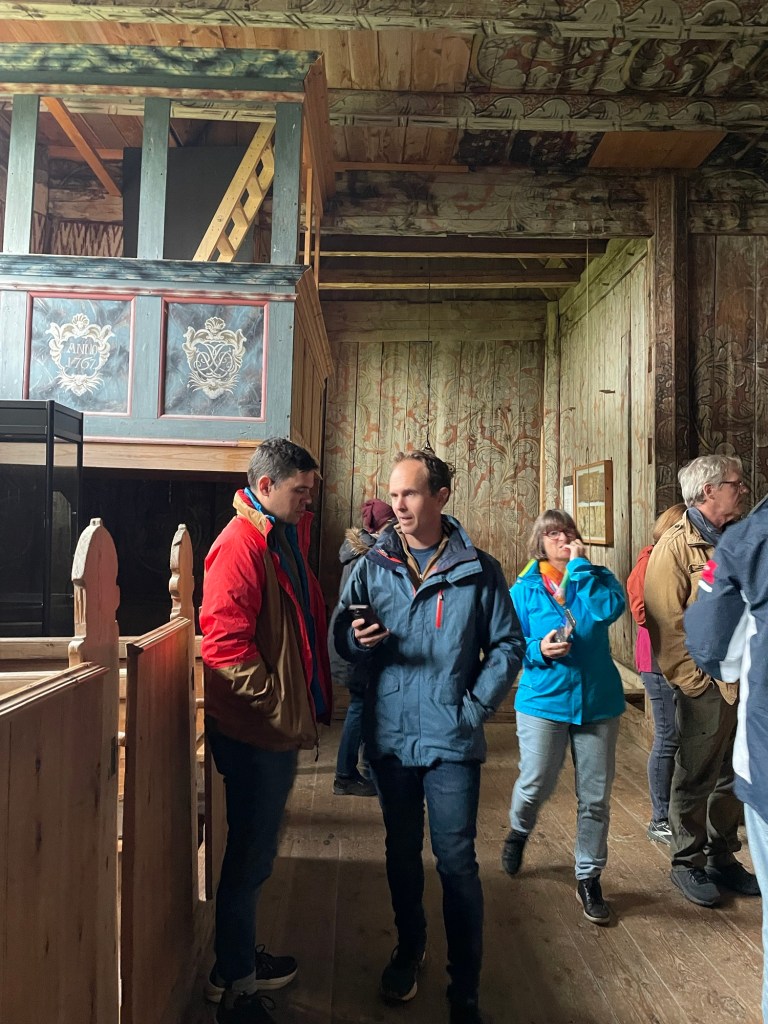
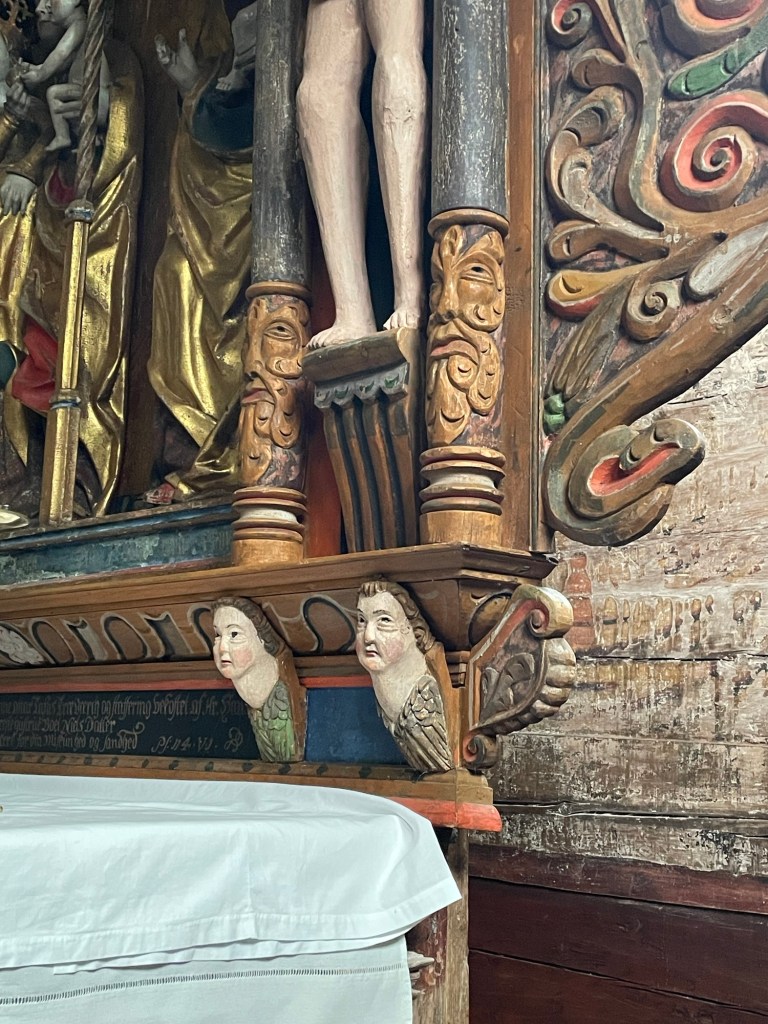
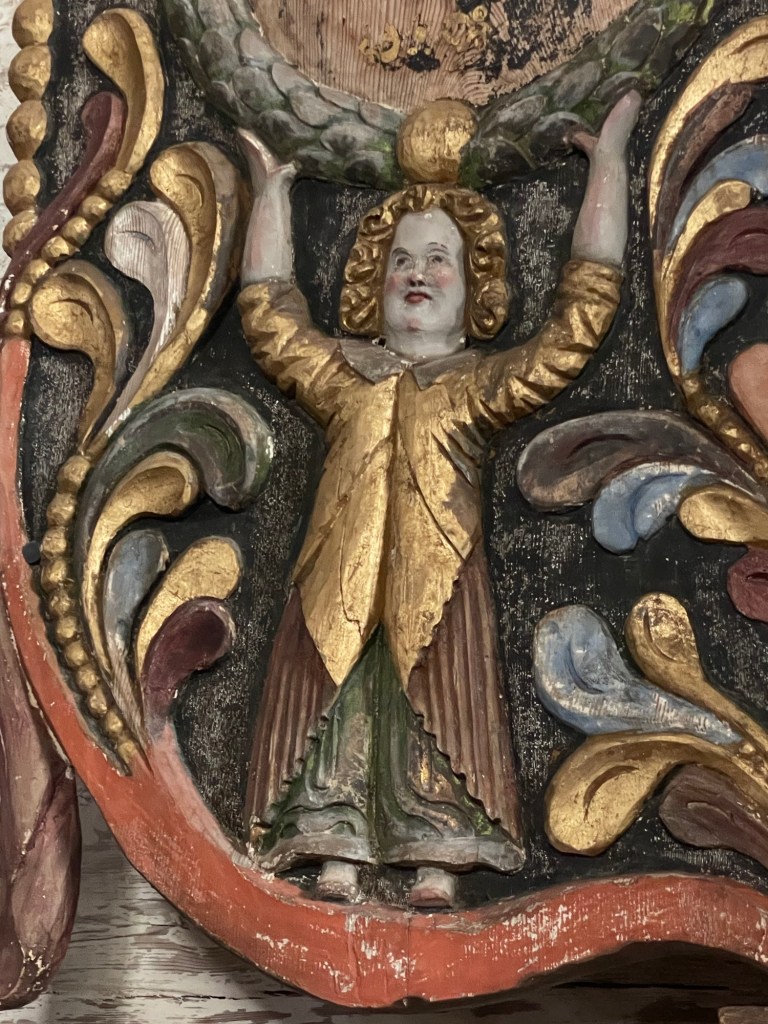
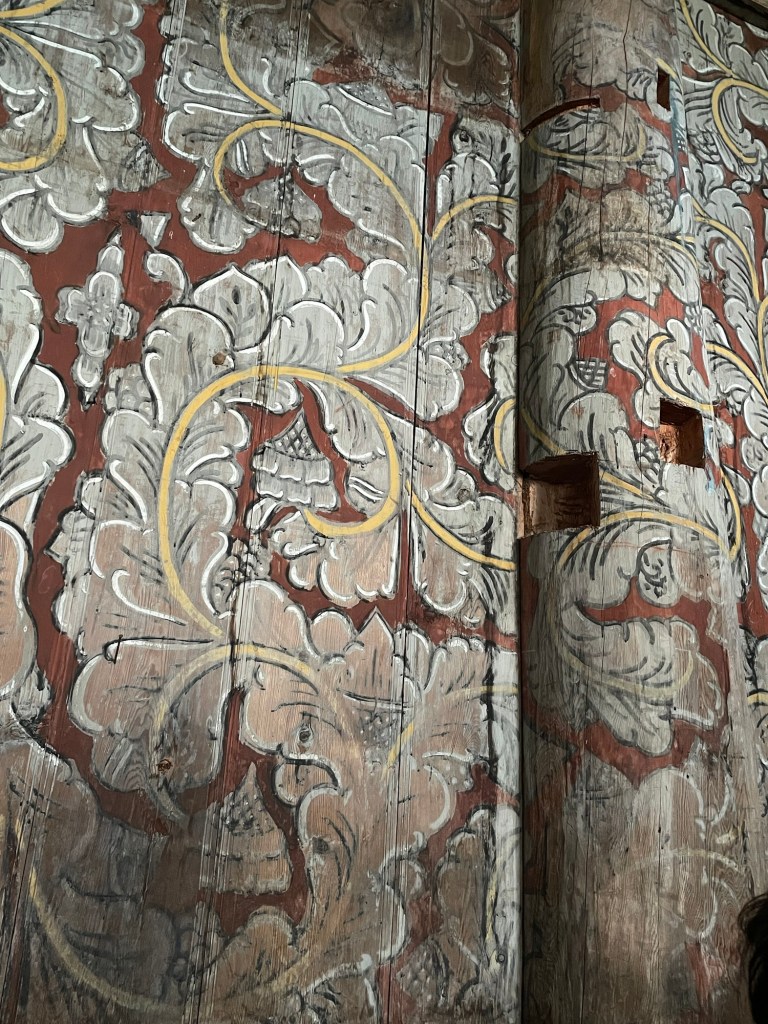
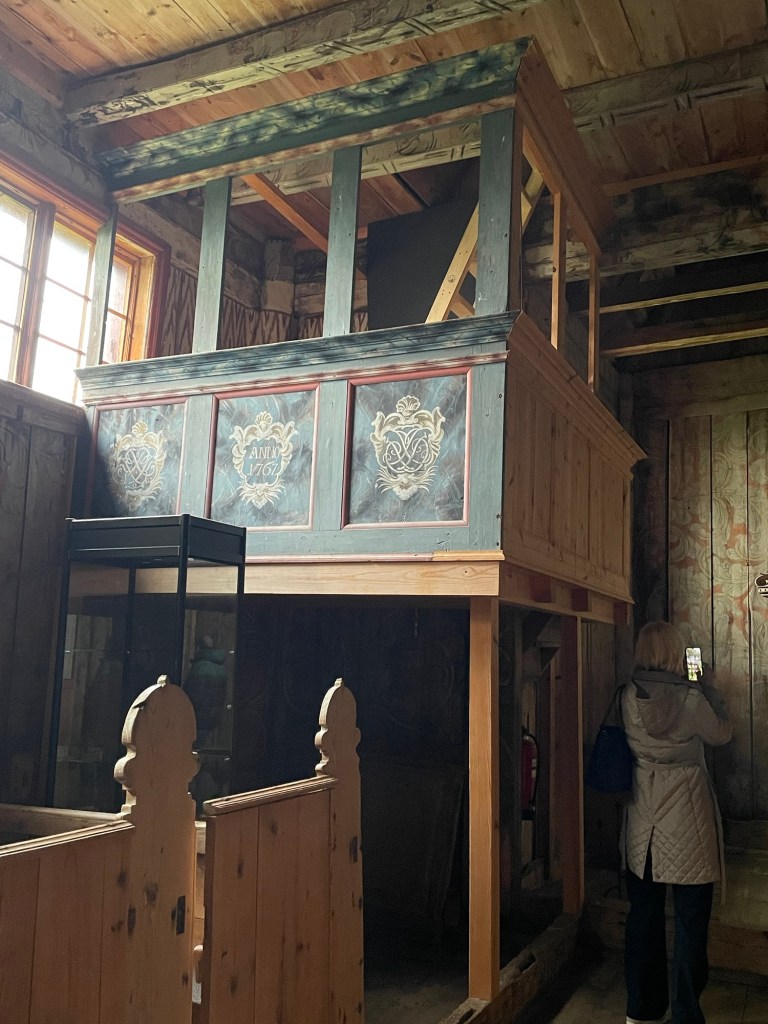
Before travelling the Atlantic Road, we stopped at the very unique Kvernes Stave Church built in the baroque style in the 1600s. The woodwork inside it was amazing. We also stopped at a local tavern and had bacalao for dinner. Bacalao is a stew made from the dried salted cod from the area. It was surprisingly good and we all had a second serve.


Our six days on the boat has been a truly memorable experience. A highlight for me was the breathtakingly beautiful Lofoten Islands. I intend to visit there again in the future … this time by road. Today we disembark the boat at Bergen where we will begin our final week in Norway.
 This Travelling Life