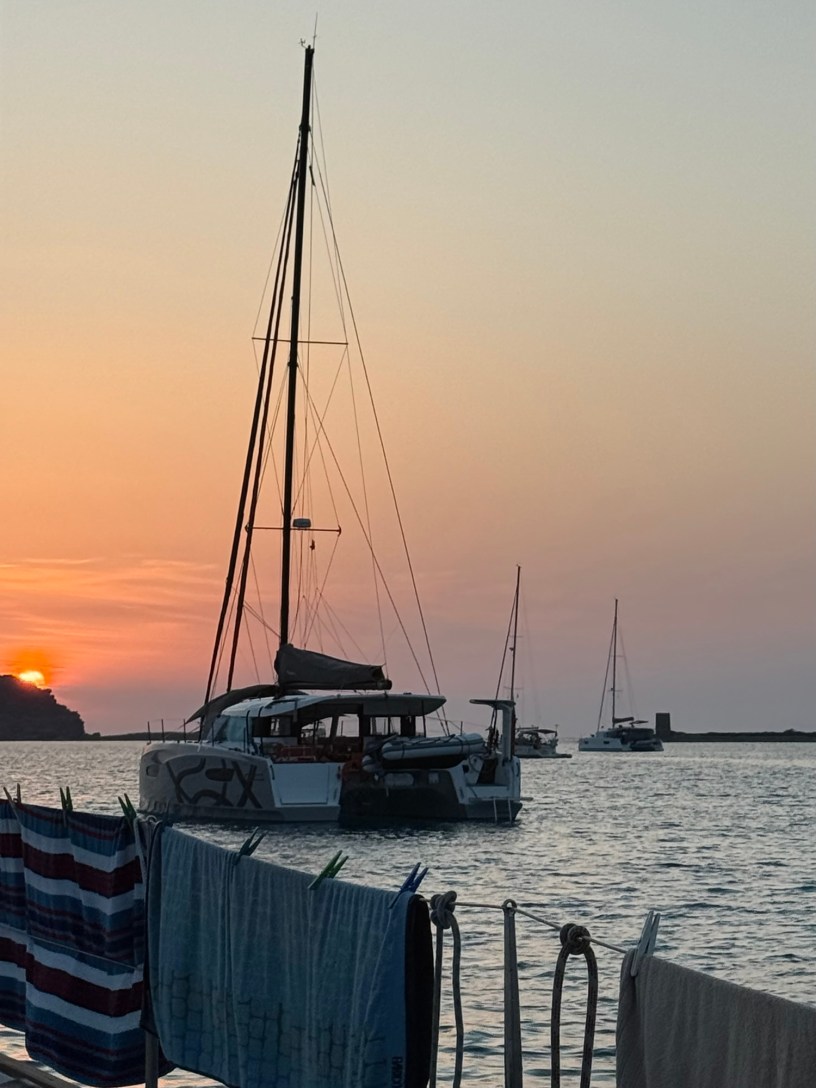
It has been more than two weeks since my last post and over this time we have sailed the south, east and north coasts of Sardinia and are now on the west side of the island. This post outlines our journey, along with some highlights.
After leaving Carloforte, we retraced our steps back along the south coast, to Teurredda which we’d named ‘Pizza Bay’, after the sensational meal we’d had on our last visit. We were disappointed to find the pizza place closed but were still able to eat onshore at another restaurant.
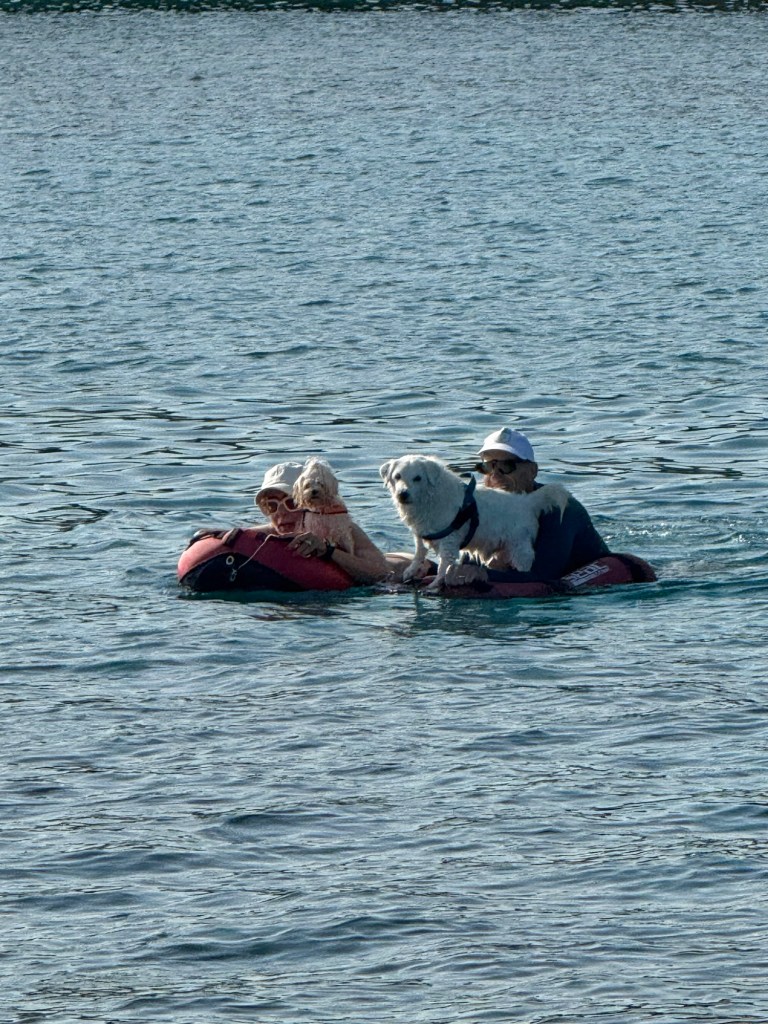
Over the next few days we bay-hopped up the east coast, sometimes taking 6 or 7 hours to reach our destination. The coastline has stunning views of craggy rock mountains and long sandy beaches but there are very few places where you can take a dinghy to shore for dinner. At Capo Carbonara under the watchful light of its beautiful lighthouse, we ate on the boat … delicious pasta carbonara cooked by Sally. The next stop was Cala Sa Figu where we anchored alongside massive yachts and cruise boats. Cala Foxi Manna was our fourth anchorage and we were able to take the dinghy to shore for dinner at the Lithos Beach Club. The bay had beautiful clear water and stunning views and was an ideal place to swim off the back of the boat and paddle the kayak, especially as the temperature and humidity levels were rising rapidly.


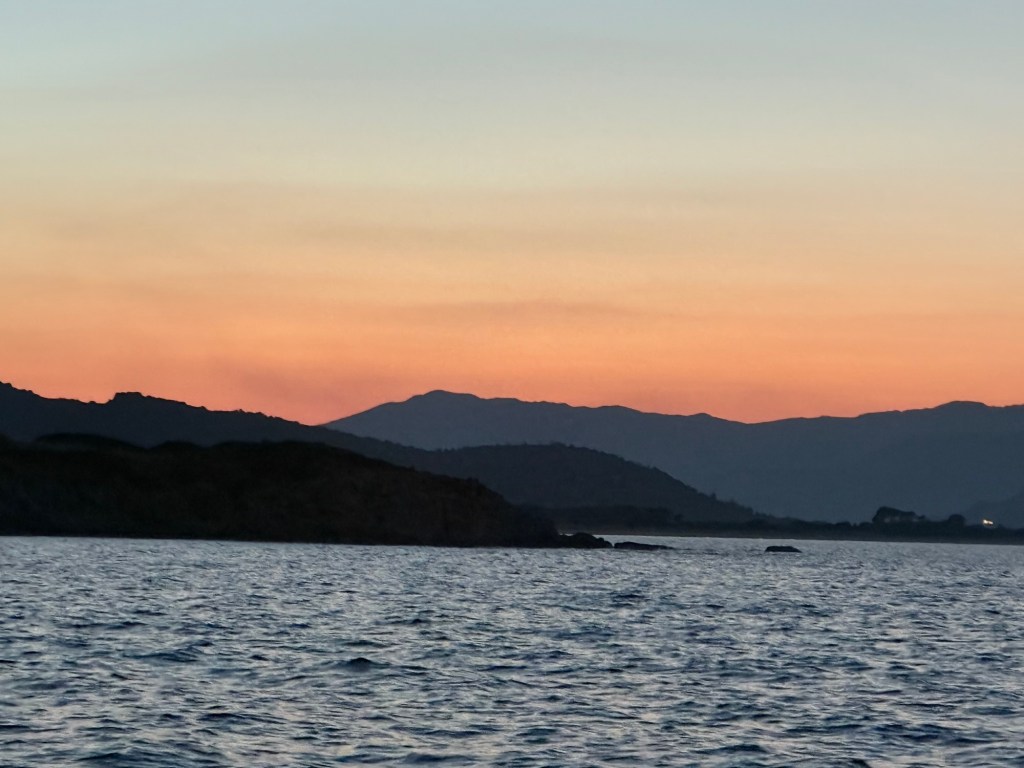

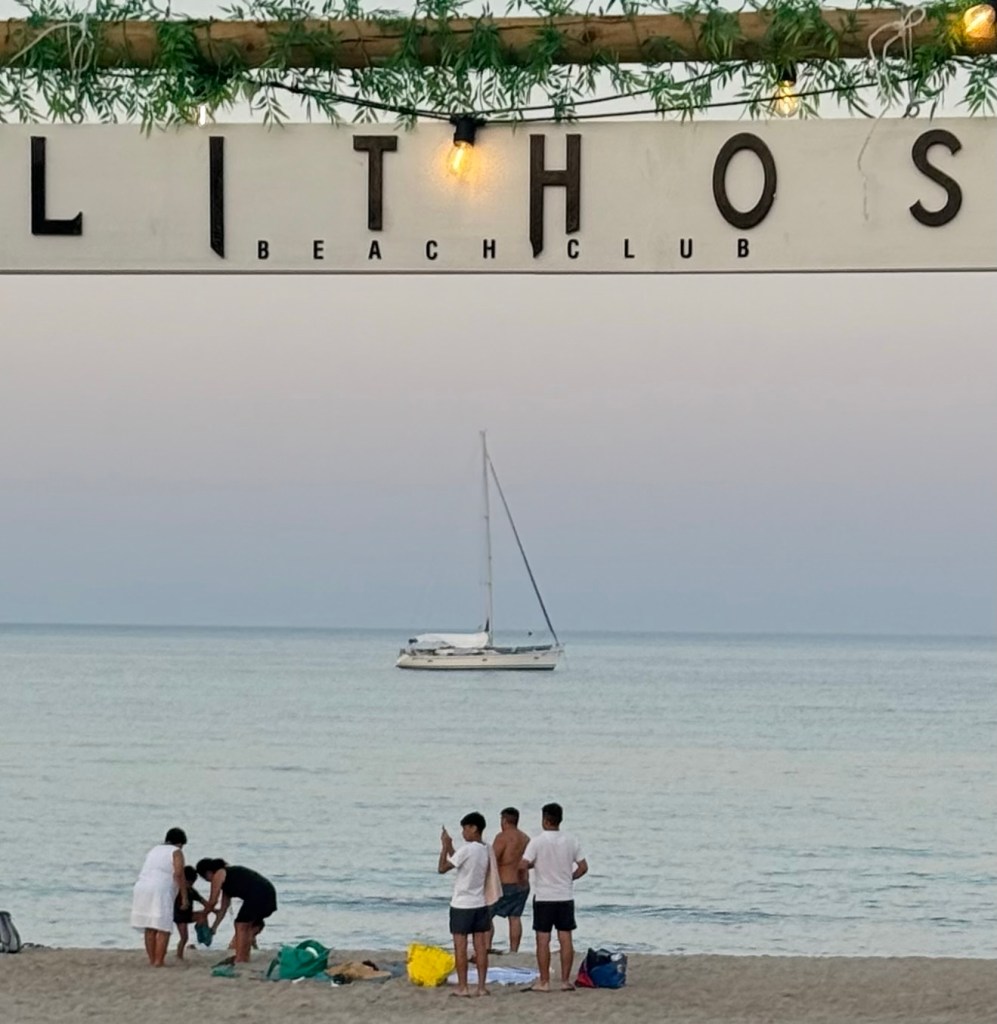
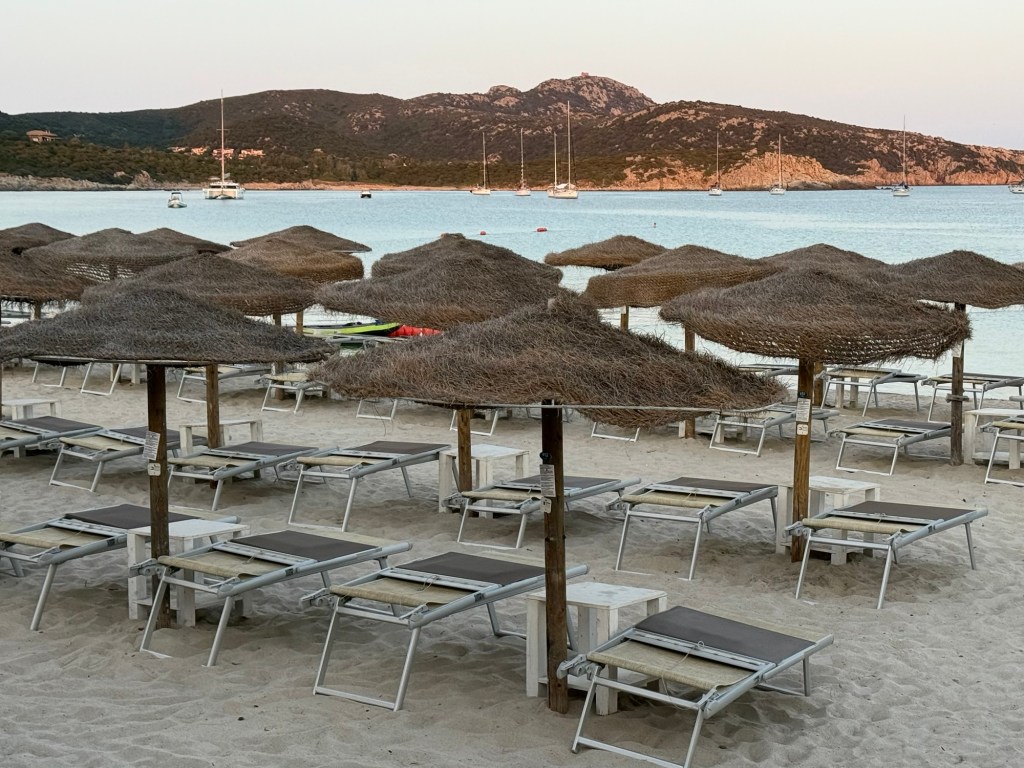
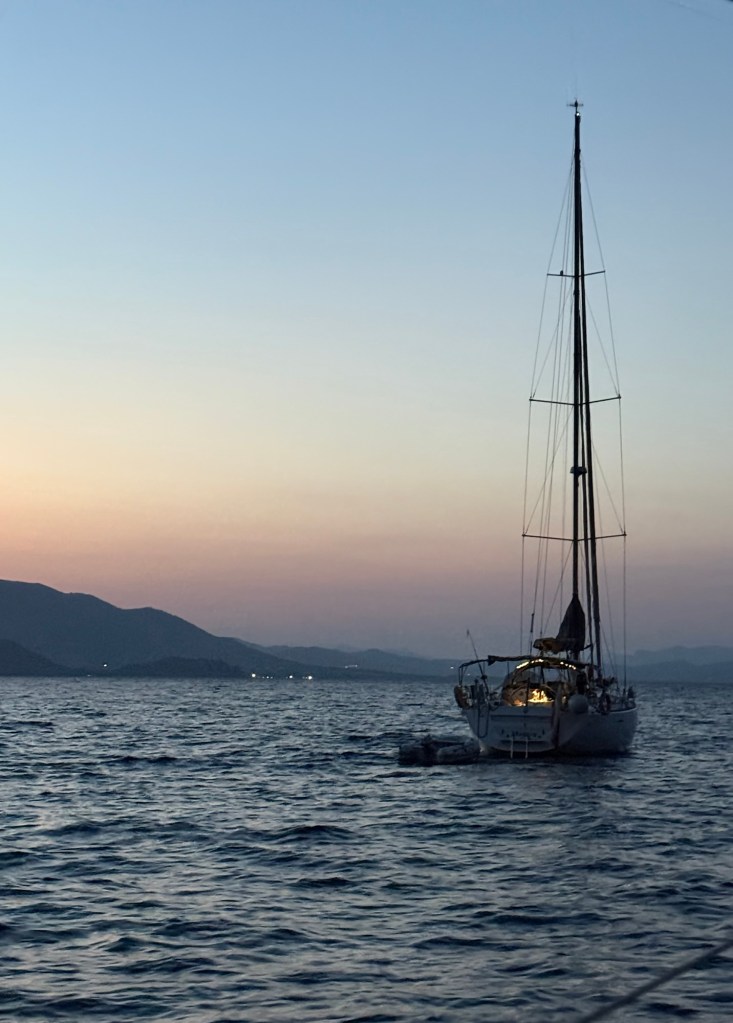
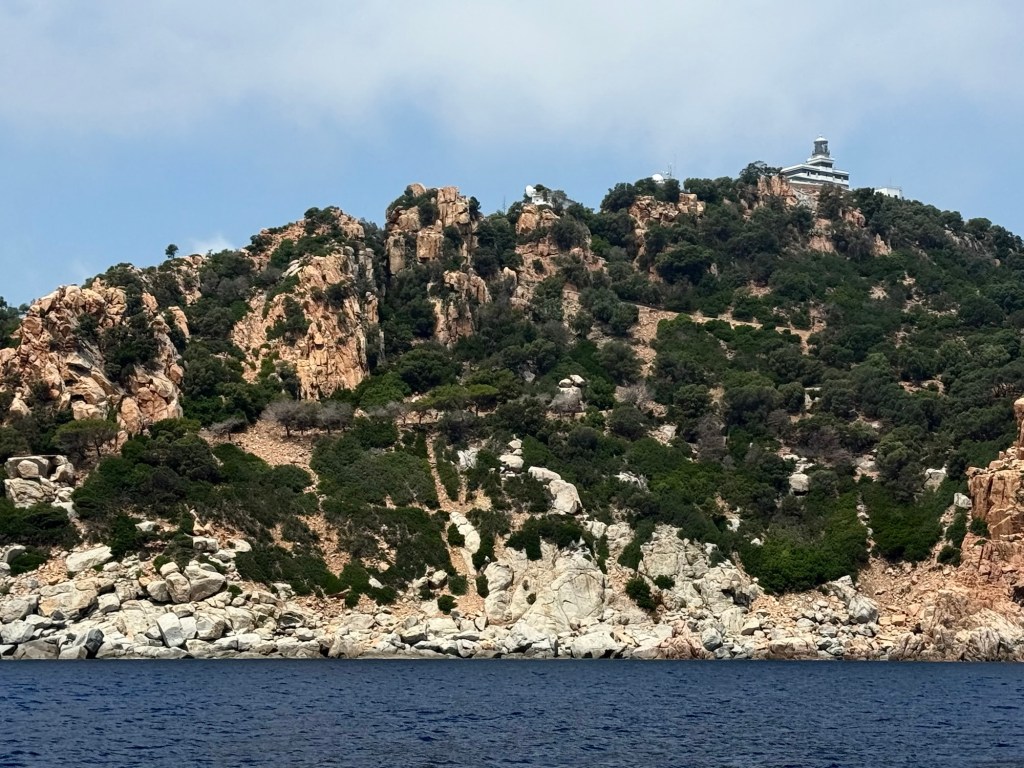
Although we’d had lots of fun on anchor, the next stop at the Santa Maria di Navarrese marina was a welcome change. We were in desperate need of a good walk and to find somewhere on shore for dinner, as our food supplies were dwindling. The marina had a great little bar/restaurant and a laundry which is very rare in Italy. It is also a major tourist hub with many hotels in the town and cruise boats leaving the marina during the day. We spent the day washing, shopping and relaxing in the shade at the marina’s café.
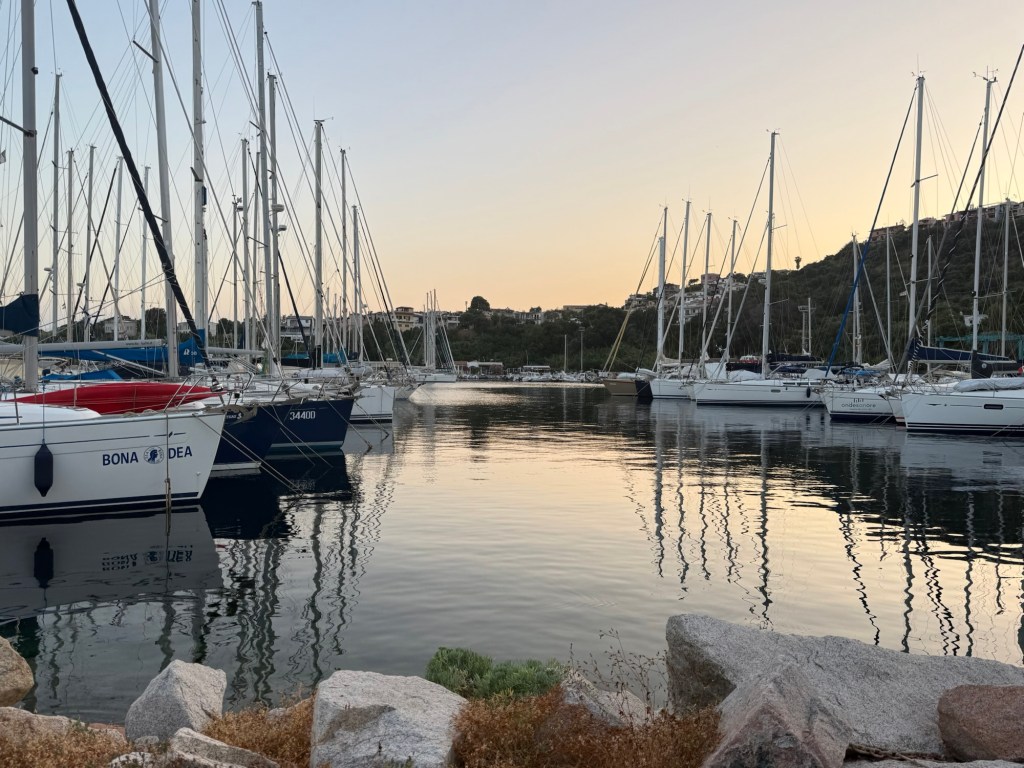
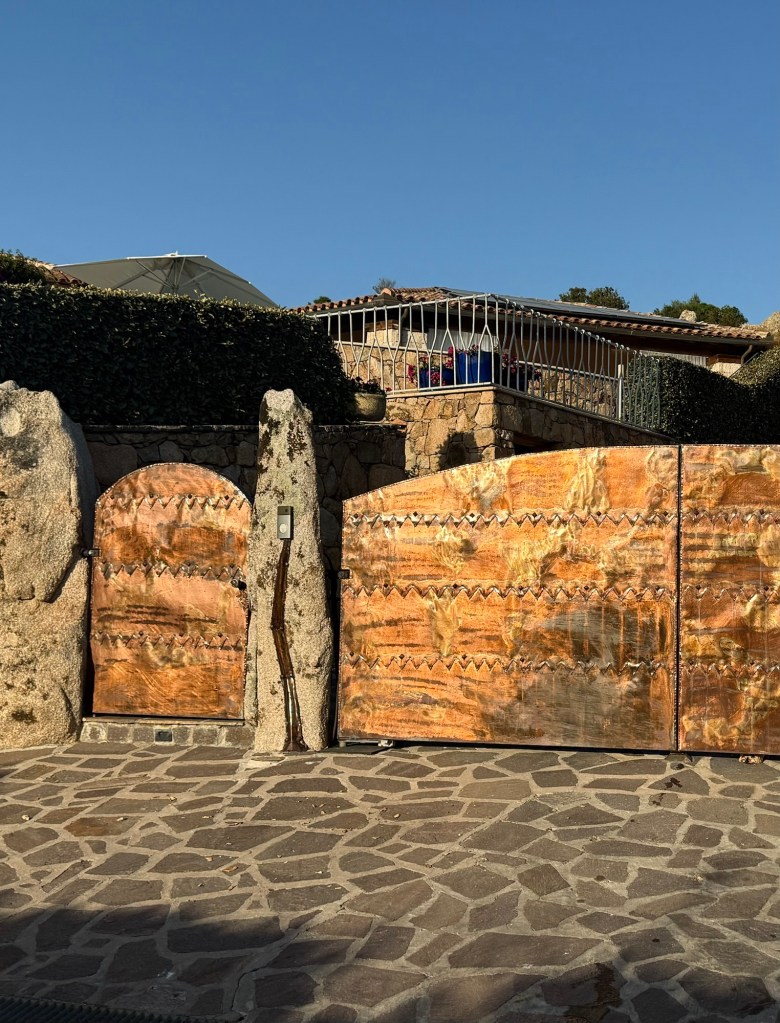
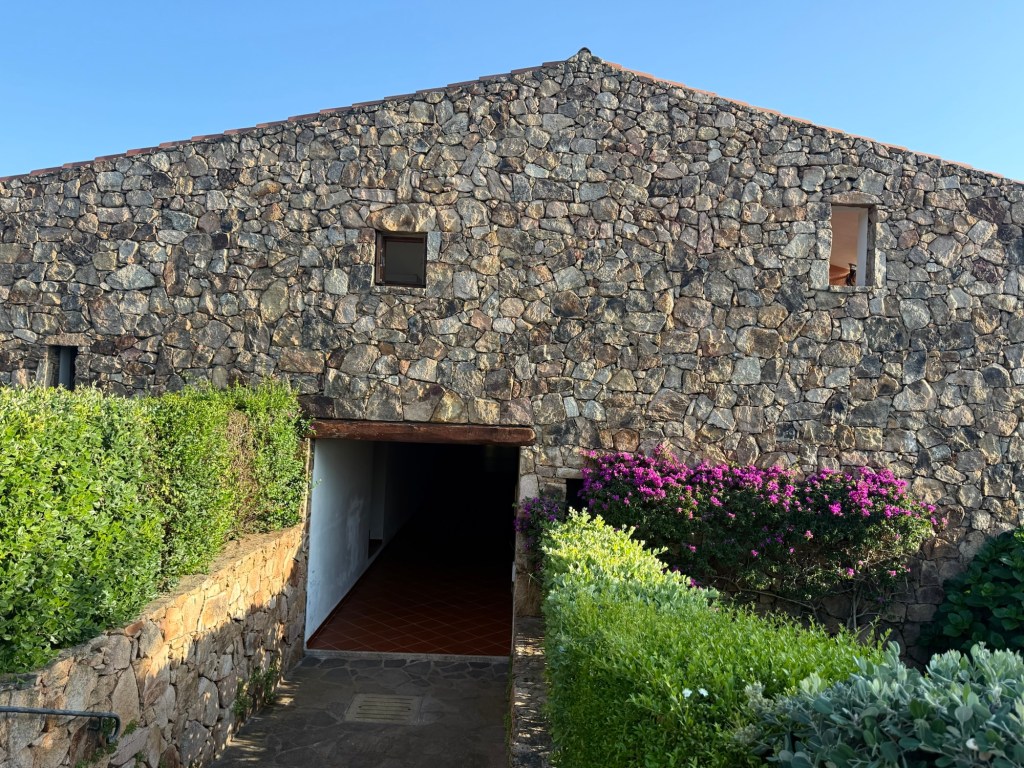
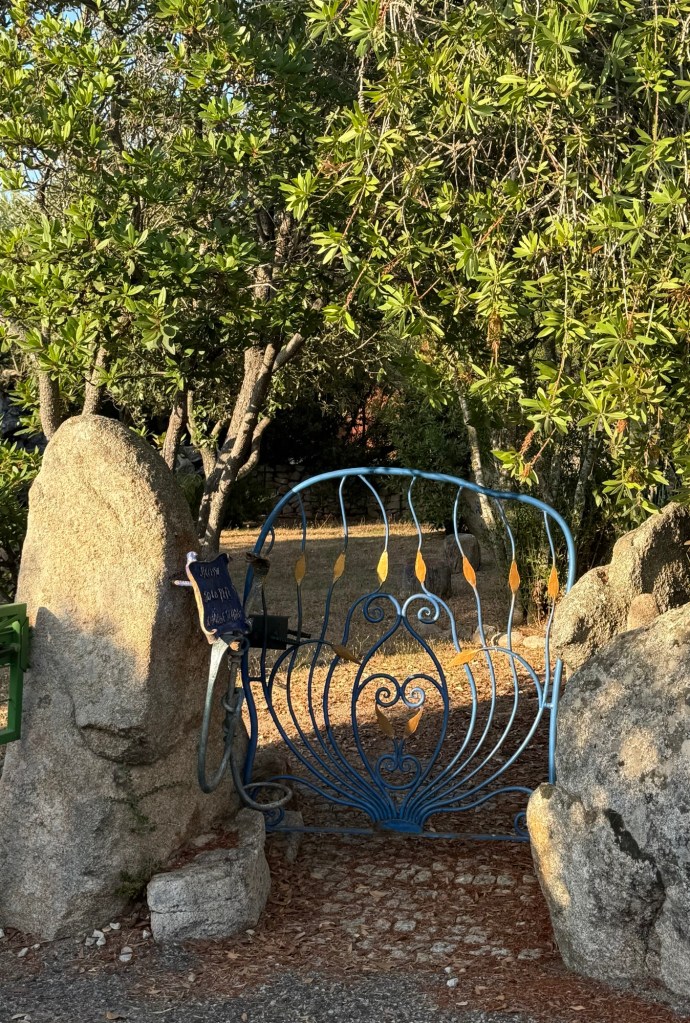
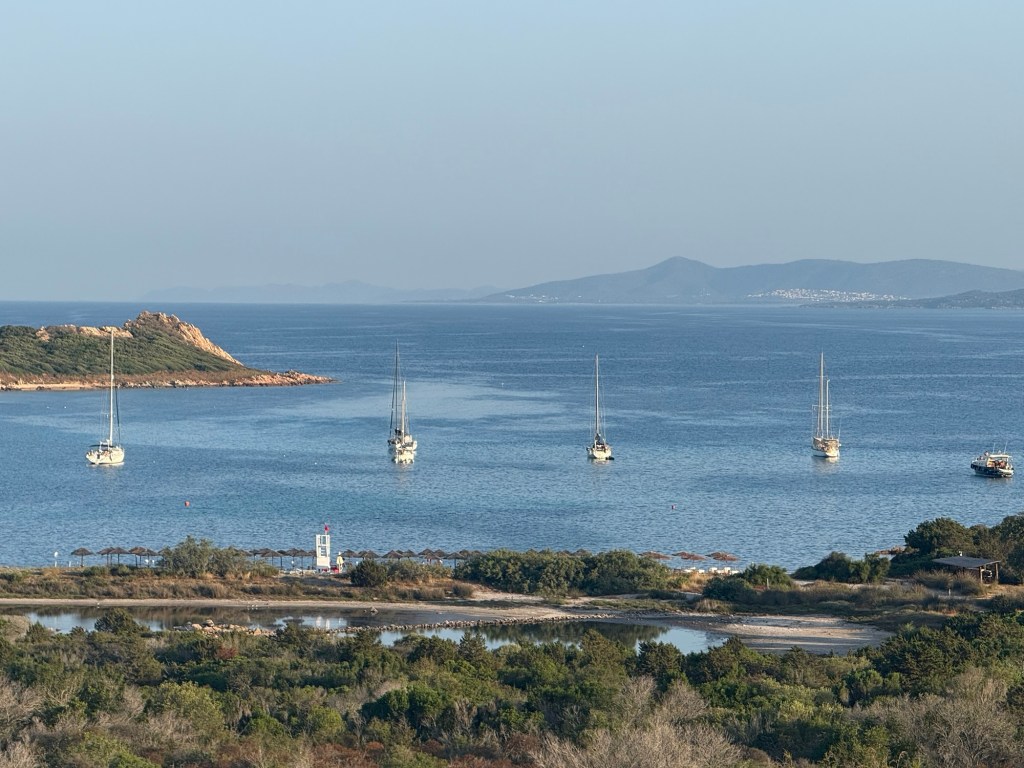
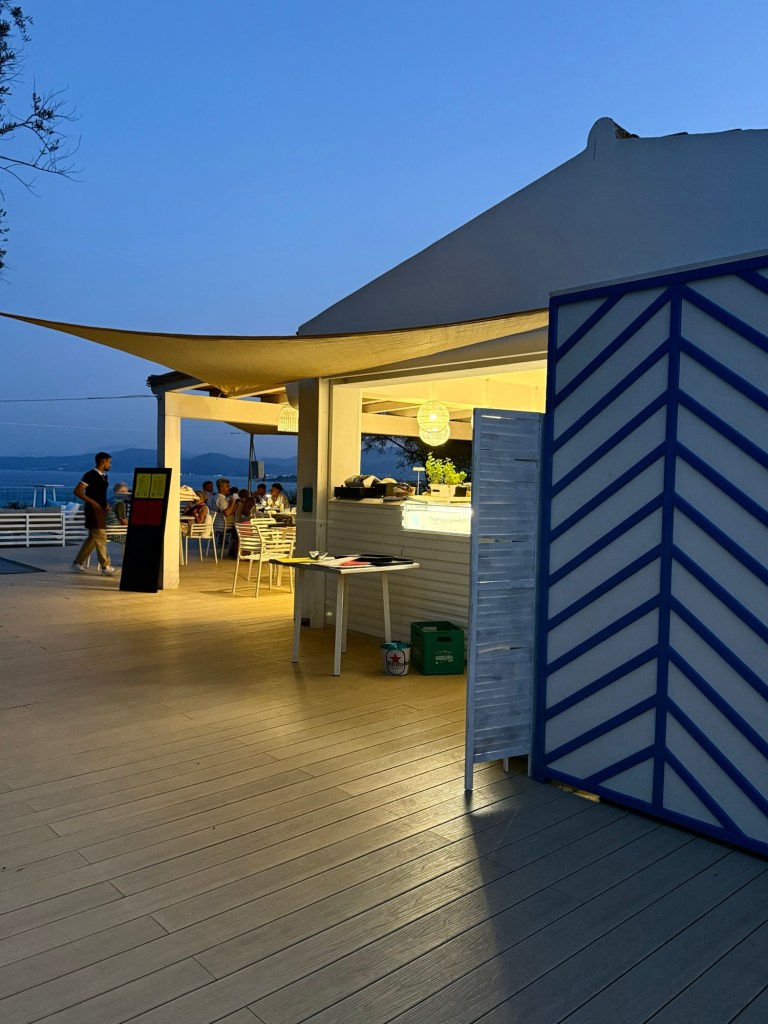
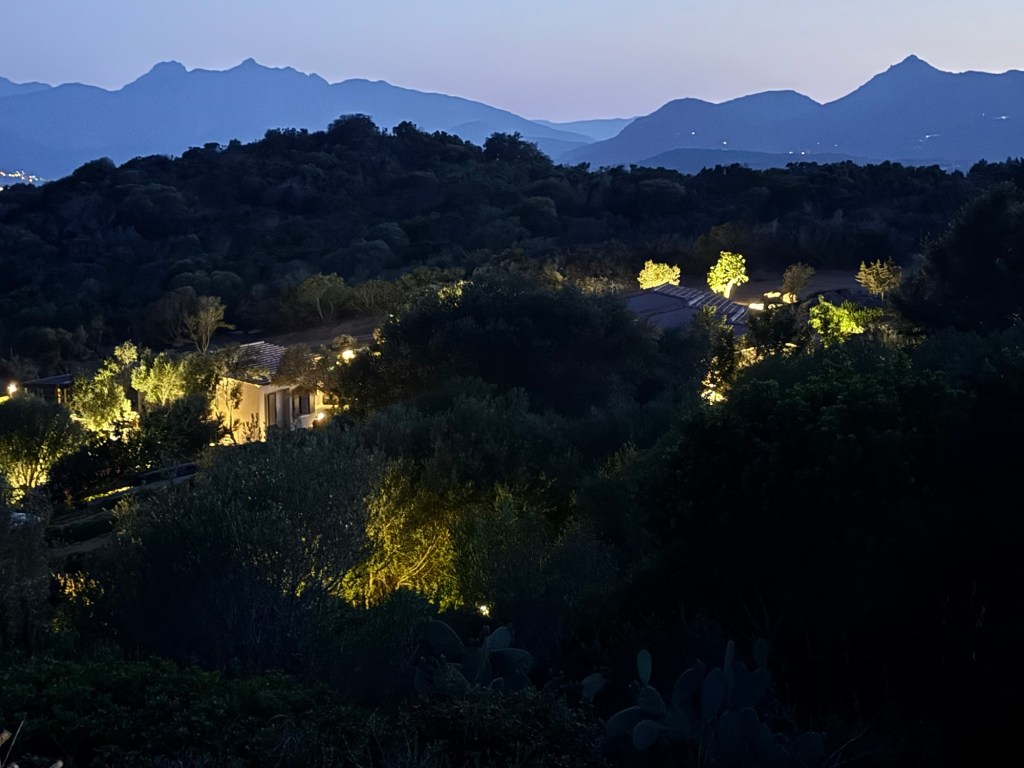
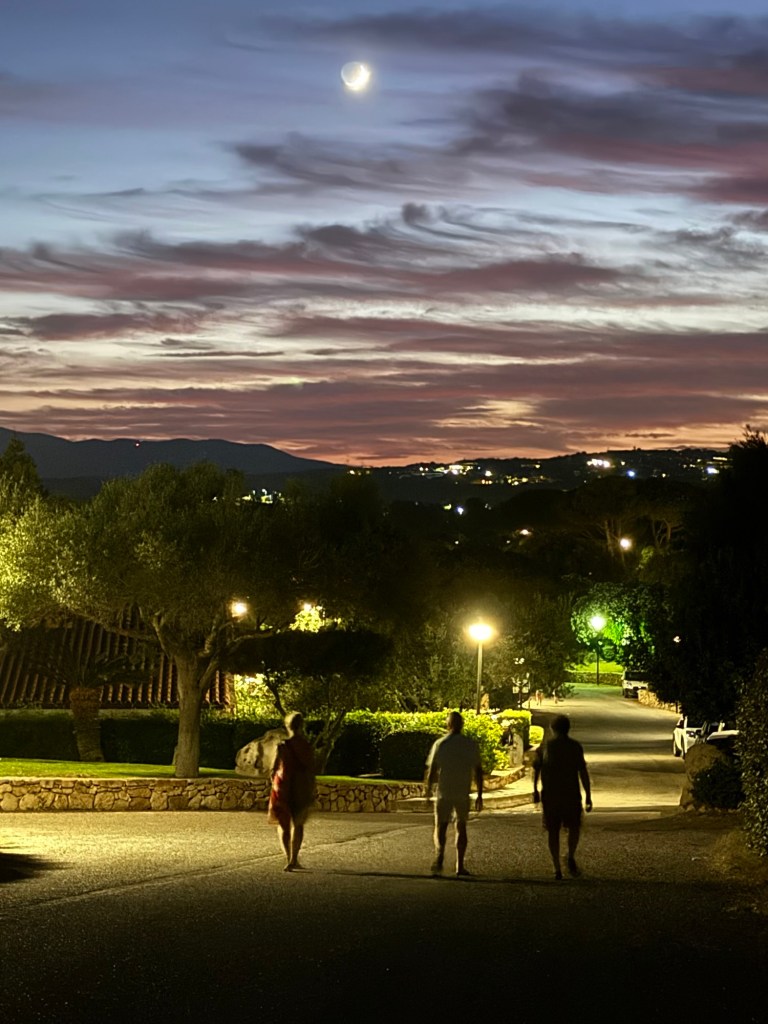
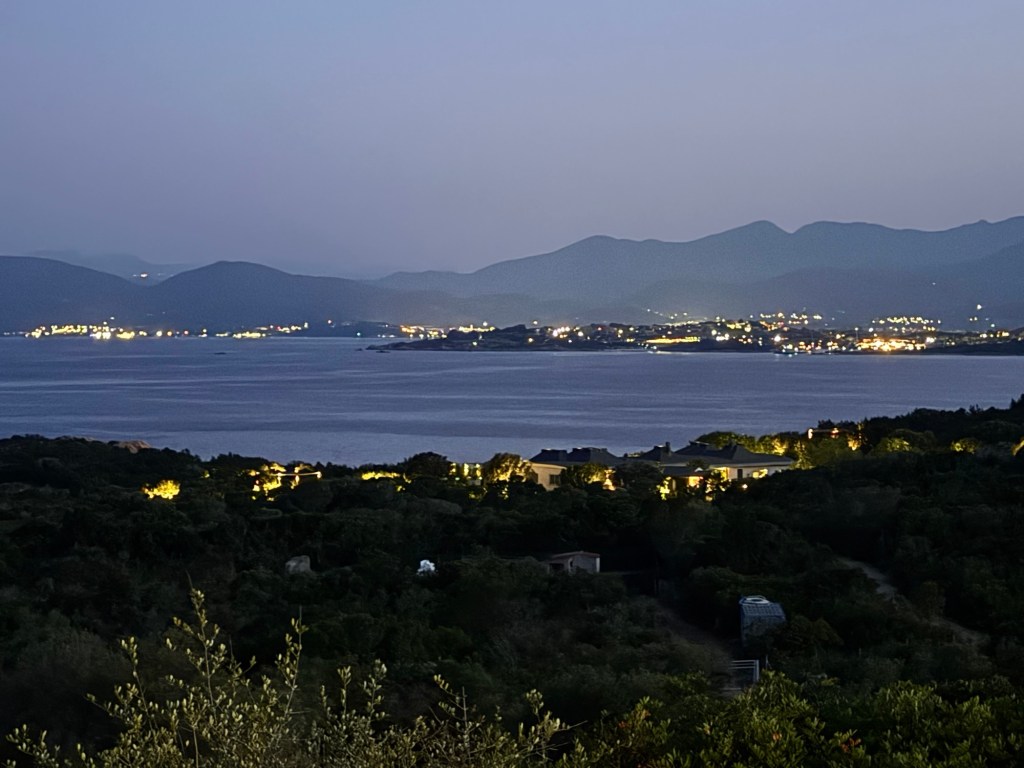
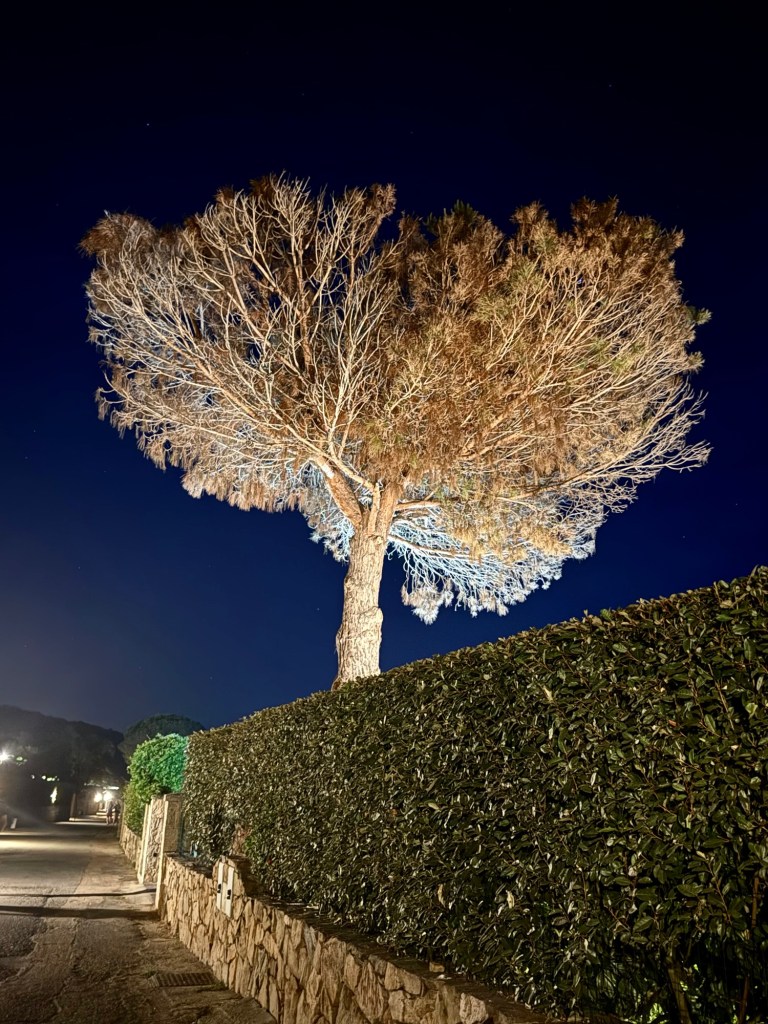
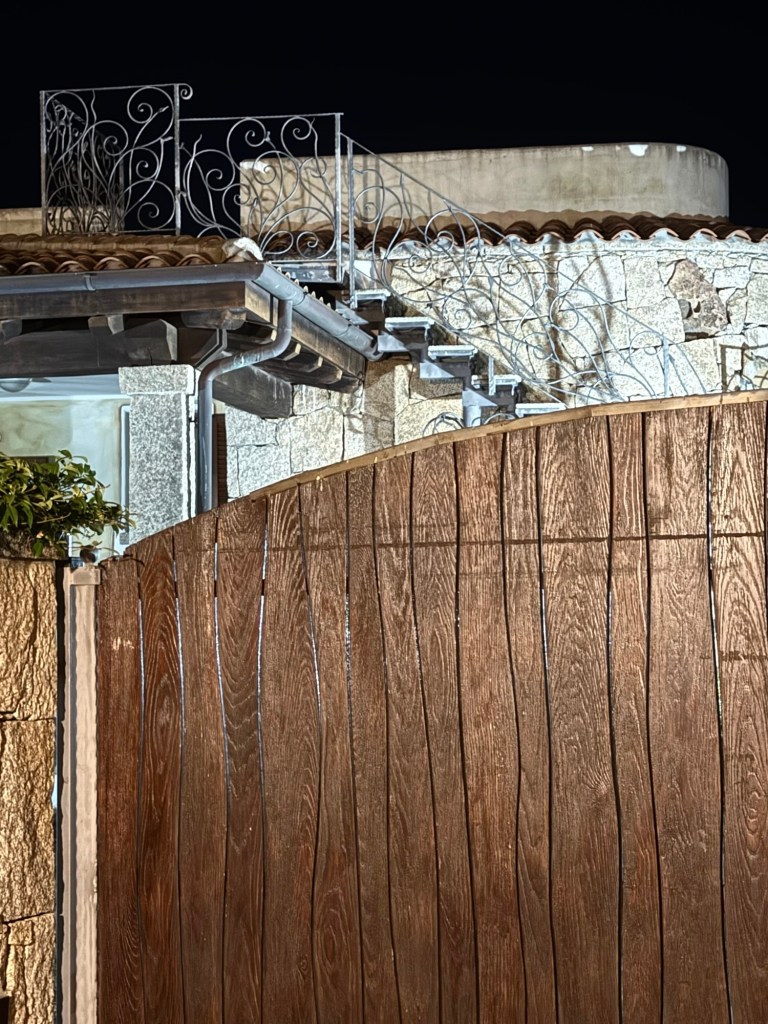
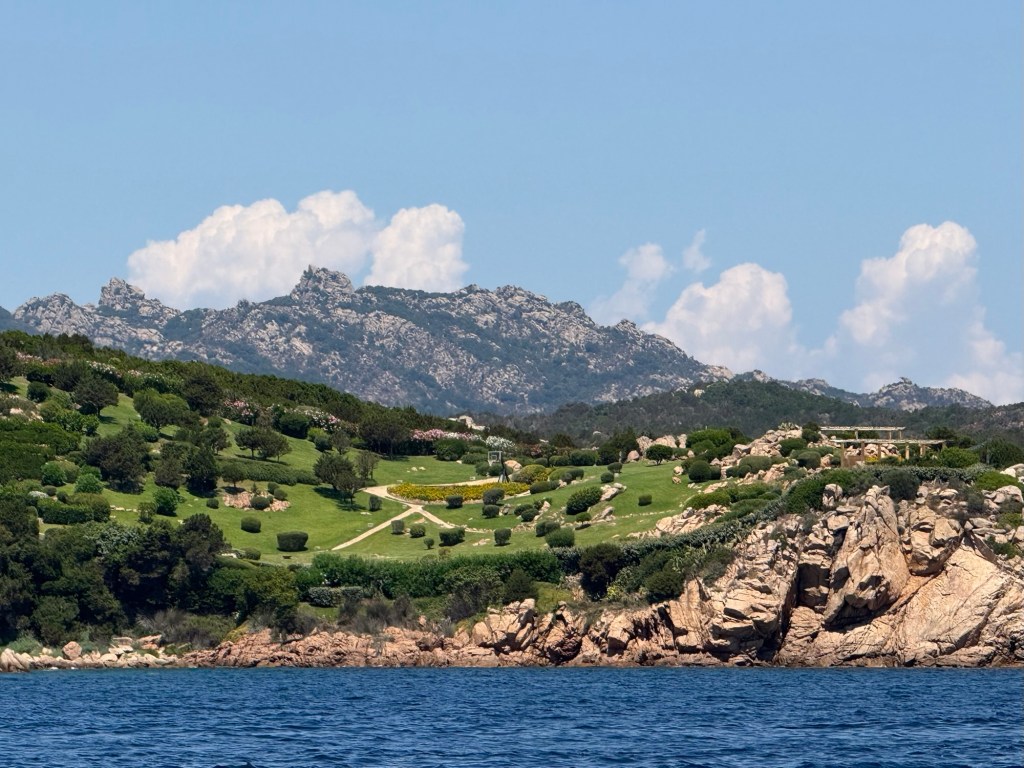
After a few more nights back on anchor, we arrived at the Pontile Salina Bamba, a small pontoon marine adjacent to a sandy beach filled with tourists staying at the holiday resorts in the hills behind. We found a restaurant a half hour walk away and later that evening trekked up the hill for dinner. It was a hot and frustrating walk as Google maps had given us very strange directions, but we did see some amazing homes with large, beautifully manicured gardens. Eventually we found the restaurant and were rewarded with a stunning view across the bay. The food was great, but unfortunately the local European wasps also thought so, making it very difficult for a few of our group to enjoy their dinner.
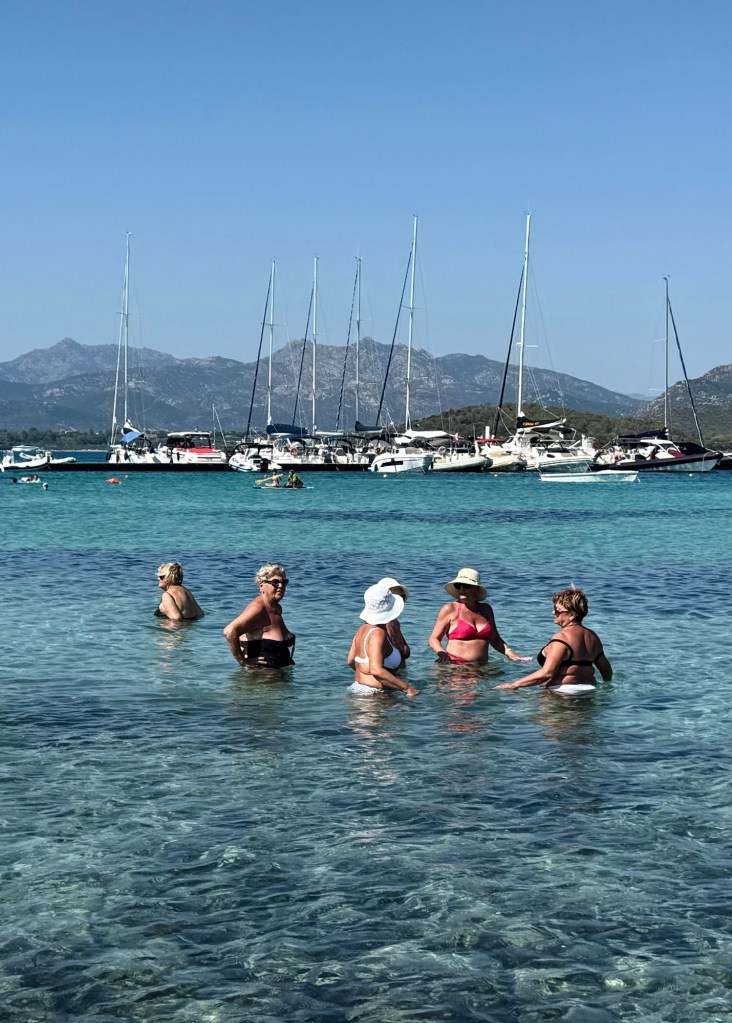
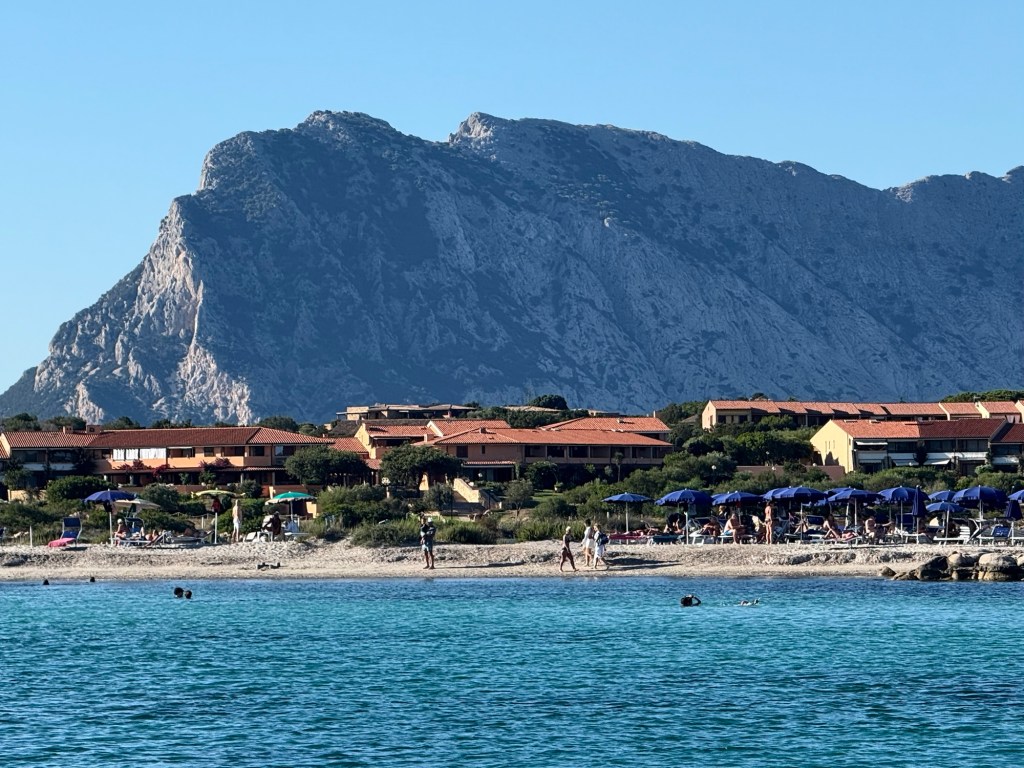

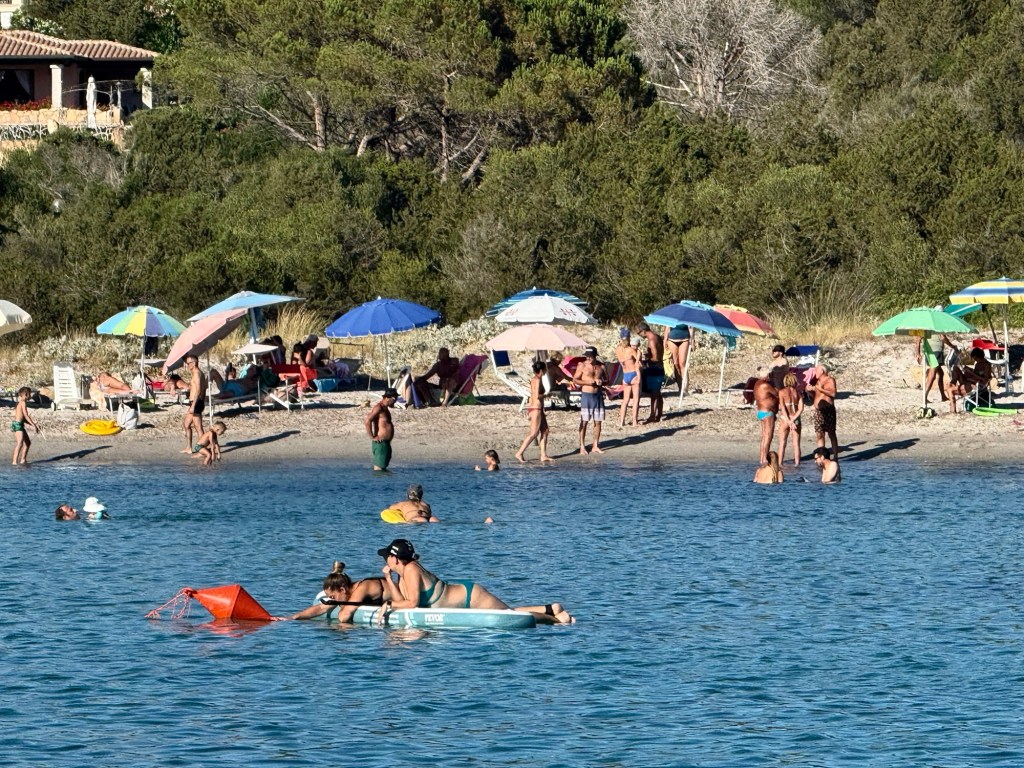

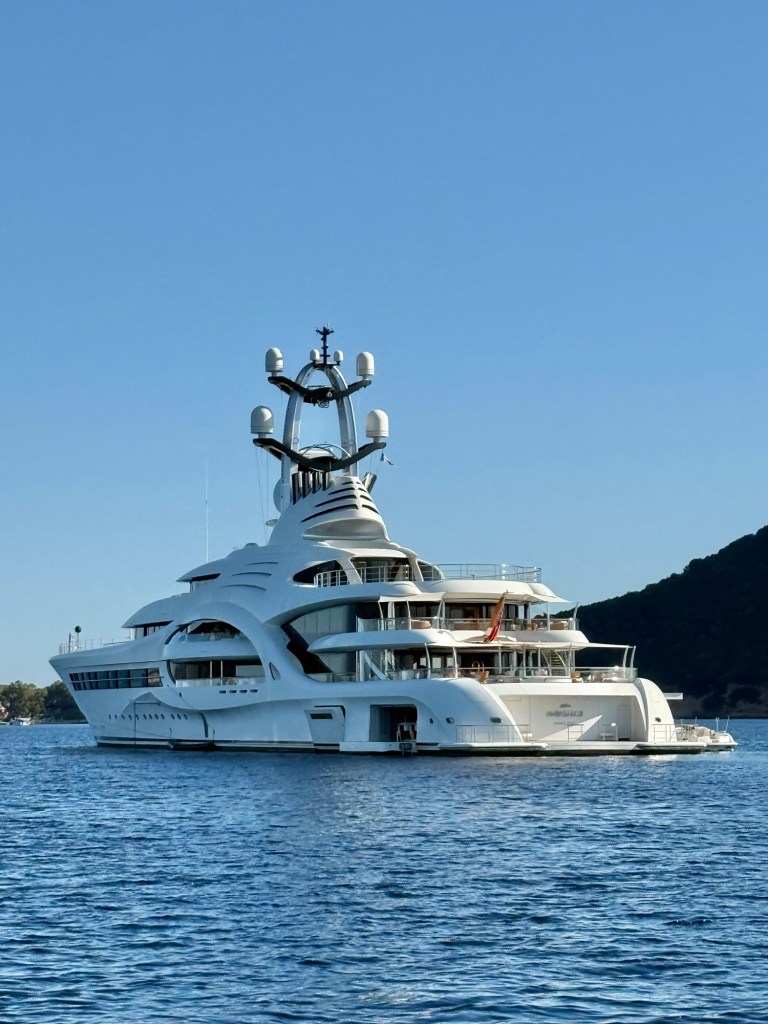
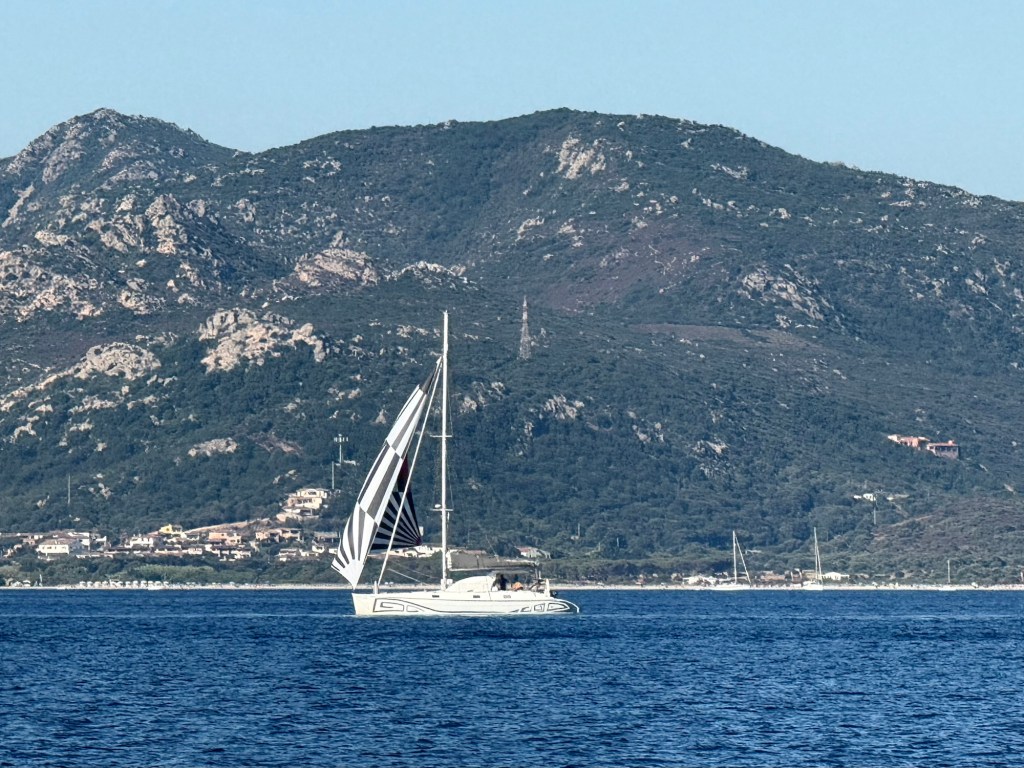
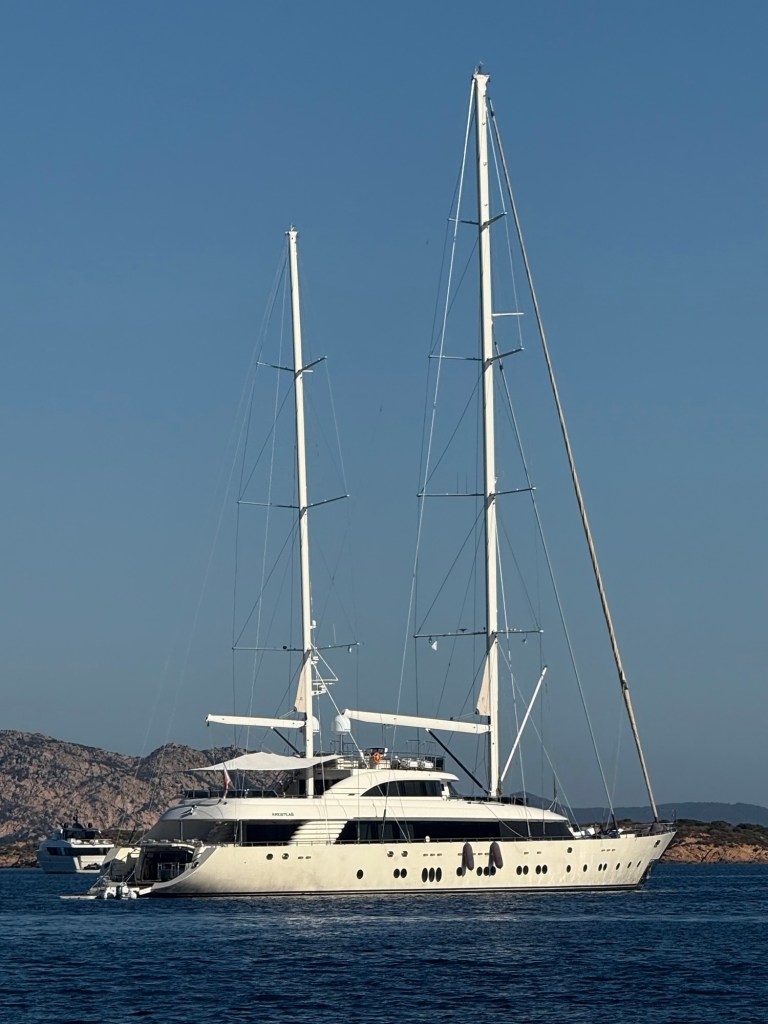
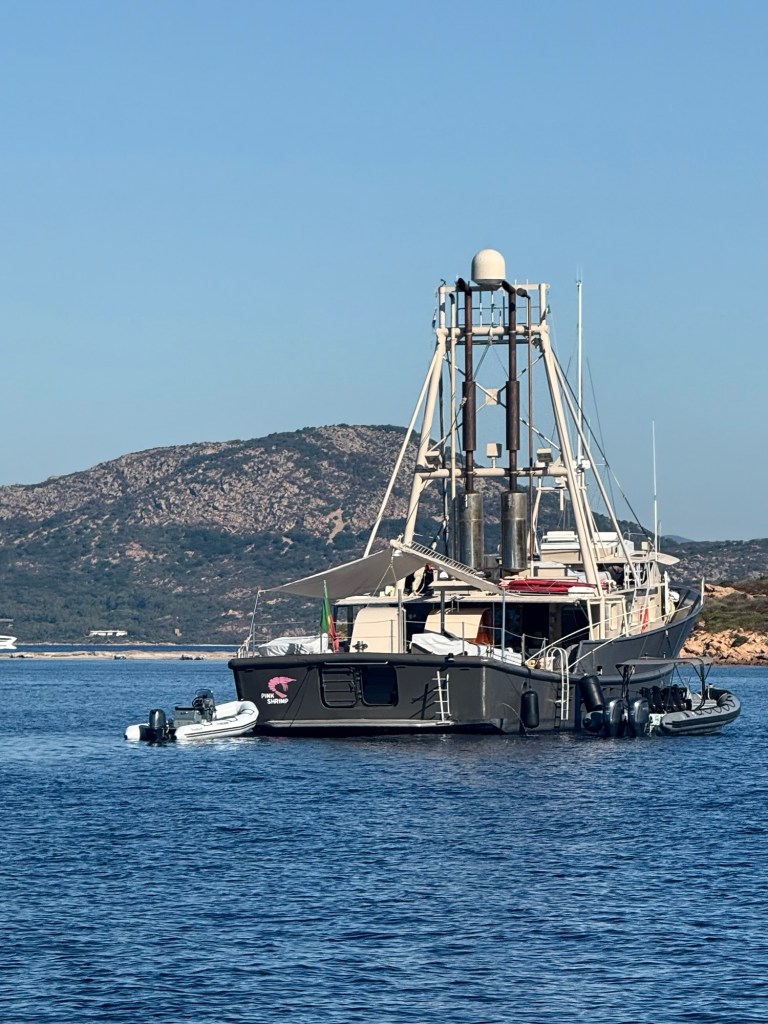
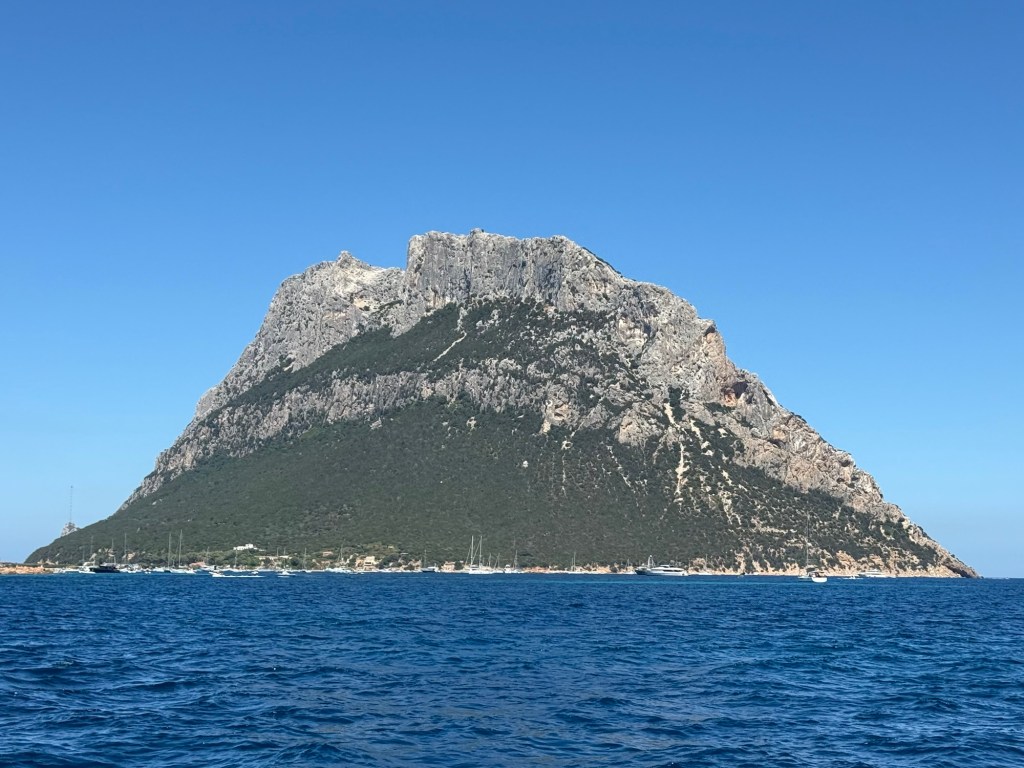
The following morning we sailed to nearby Capo Camino for a swim near the magnificent Tavolara Island. The island is 5km wide and 1km long and is made up of limestone mountains. It’s a popular spot for sailors and scuba divers and we were surrounded by some very large and unique sailing and power boats, including an old square rigger.

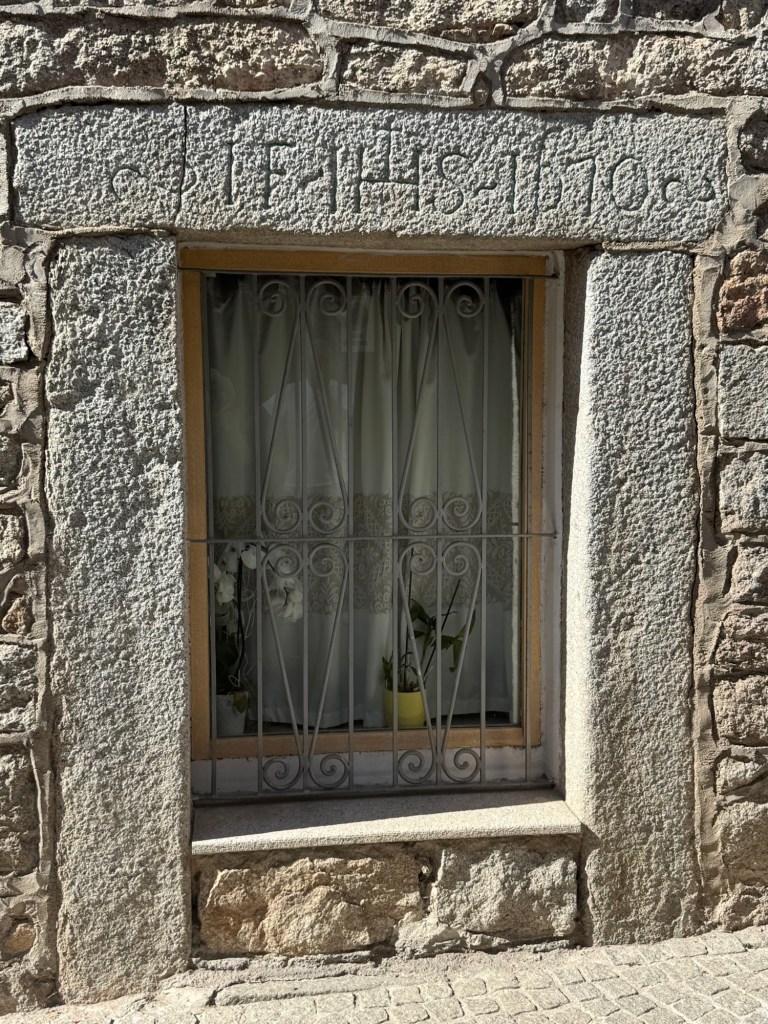
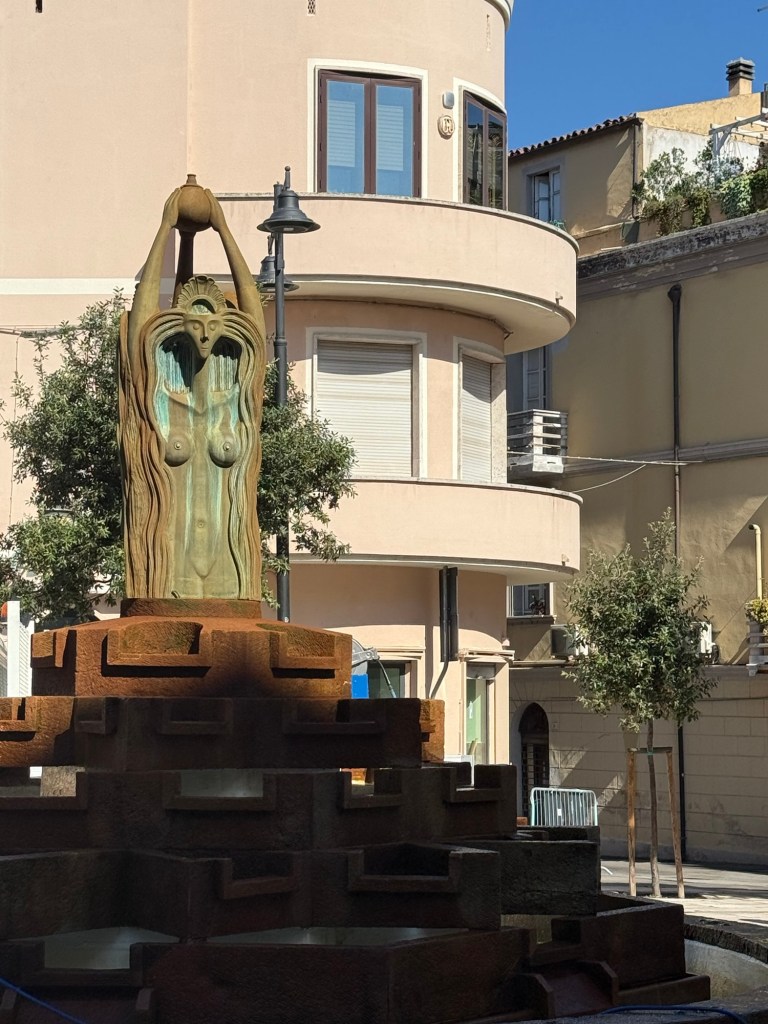
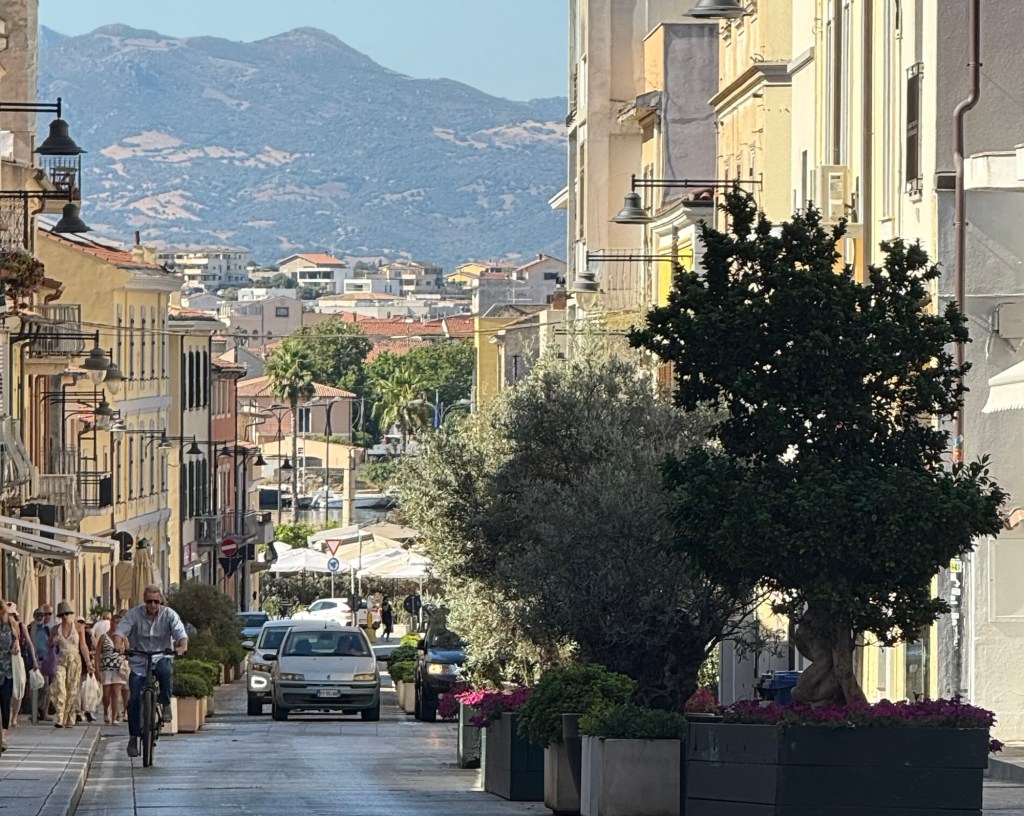
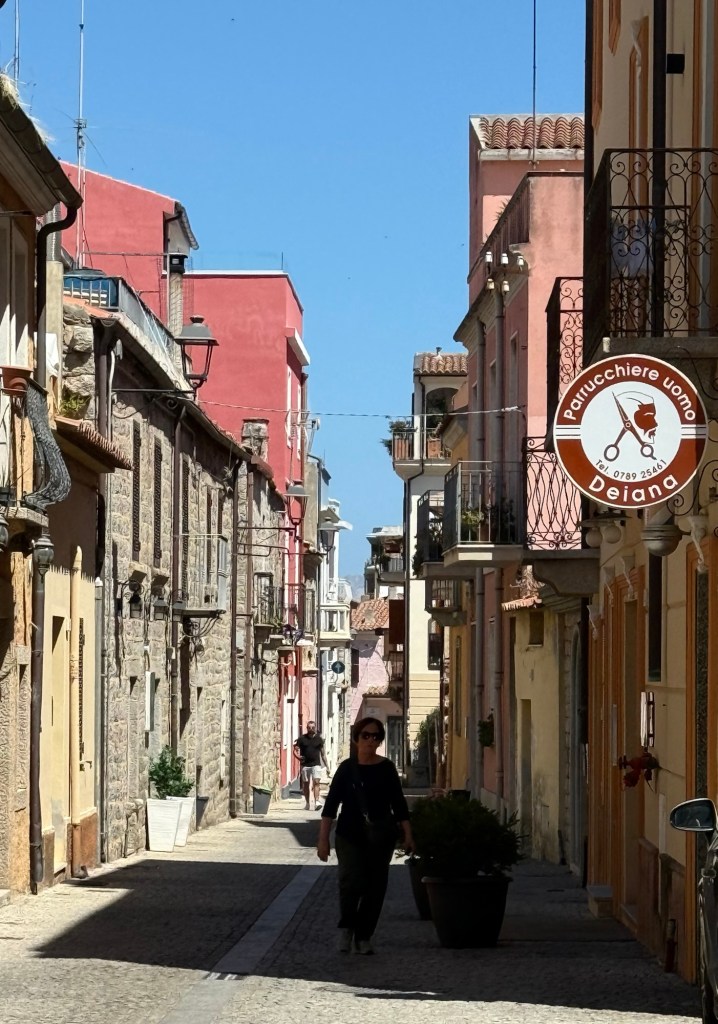
Olbia, with around 60,000 residents is in northeastern Sardinia and was our next stop. It is the economic centre for the region and its proximity to the Costa Smeralda tourist region and Maddelana Islands makes it a popular destination. It also has a huge port and we saw many cruise ships arrive and depart during our time there. Our marina was very basic but within easy walking distance to the city. Despite having a former cathedral dating back to the 12th century, most of the city felt relatively modern, although I did find a few old stone houses in some back streets that appeared to be built in the 1600s. Like most European cities, each night the streets were filled with families out dining, strolling and chatting with friends. It was still very hot and the ice-cream shops were overflowing with customers. Before leaving Olbia we farewelled Terry, Sally and Grant and welcomed new crew Brian, Janette and Gerard.


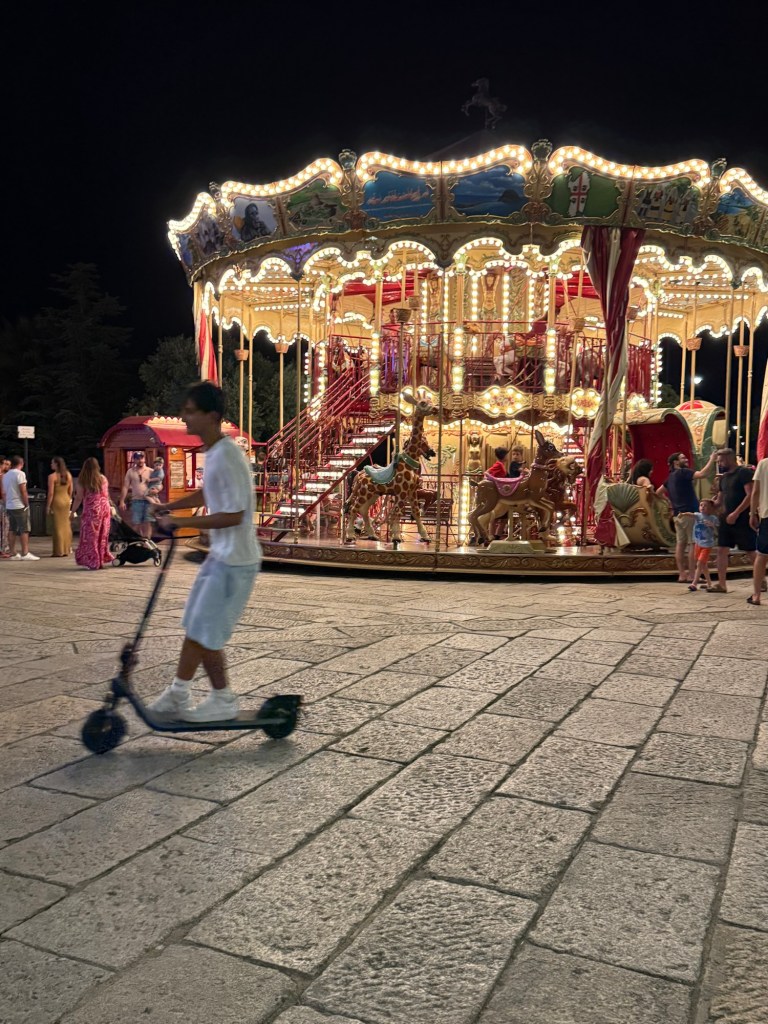

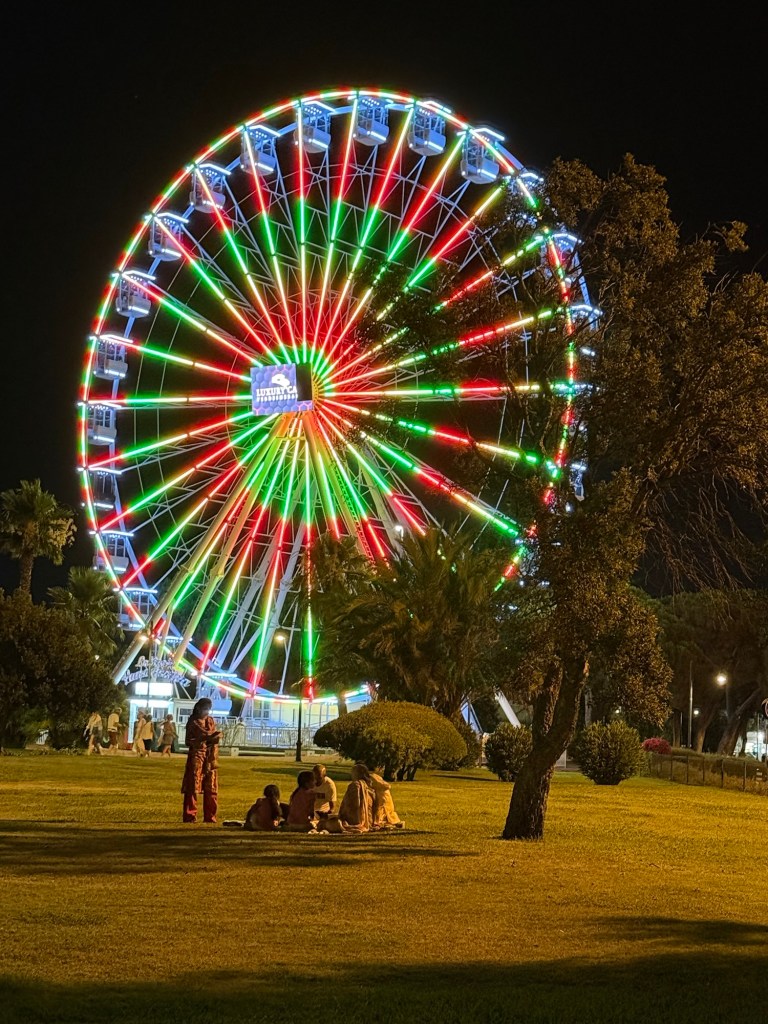
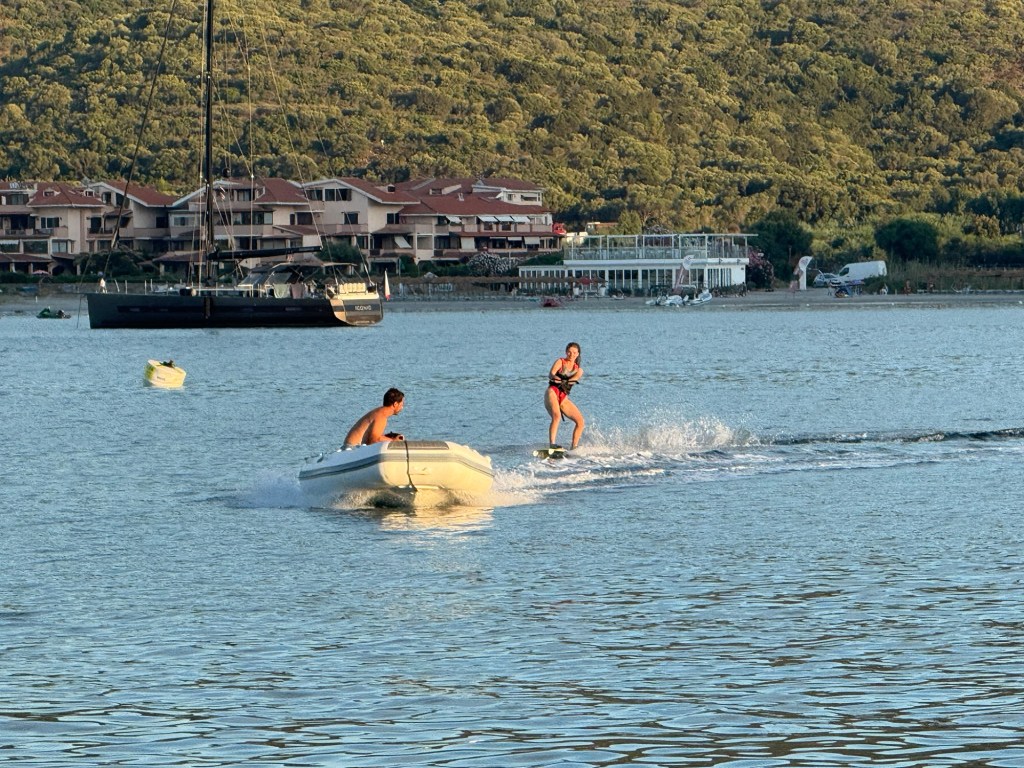
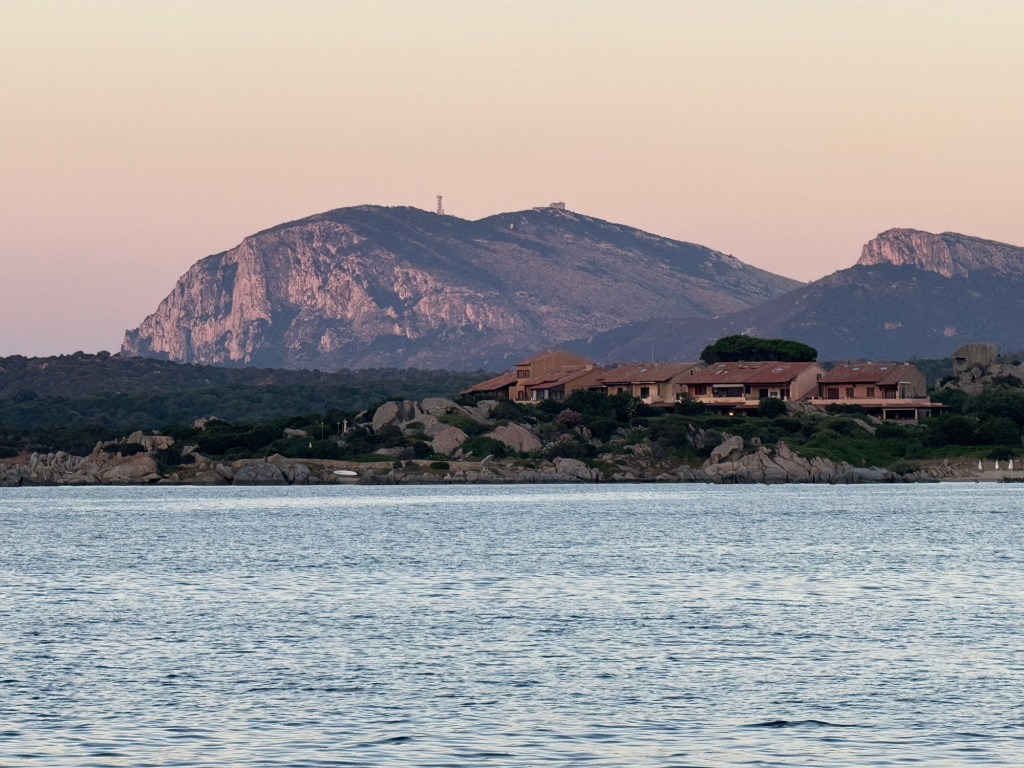
We continued further north, spending two more nights on the water. The coastline was greener and had many more resorts than we’d seen down south. Both anchorages were filled with sailing yachts and large luxury cruise boats with some interesting water activities going on around us.
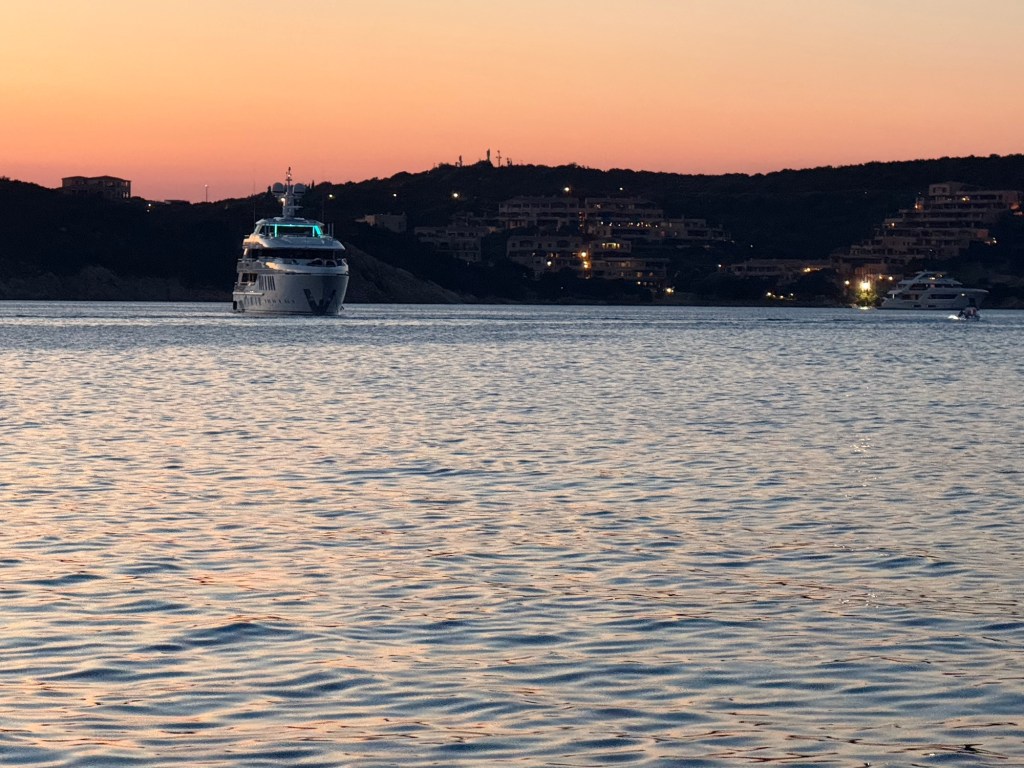
The Maddelana Archipelago is a group of seven islands located between Sardinia and Corsica, and as a national park has strict rules to protect its wildlife and sea grasses. We’d read about Cala Cotticio, also known as Tahiti Beach on the island of Caprera, and decided to check it out on the way to our marina at La Maddelana. The area was packed with small motorboats filled with families out for a day of fun on the water. Larger yachts like ours are required to anchor at least 300m from the beach, so I took the kayak for a paddle to get a better look at the beach. It was very pretty, but I’m still unsure why it’s been named one of the world’s best beaches.
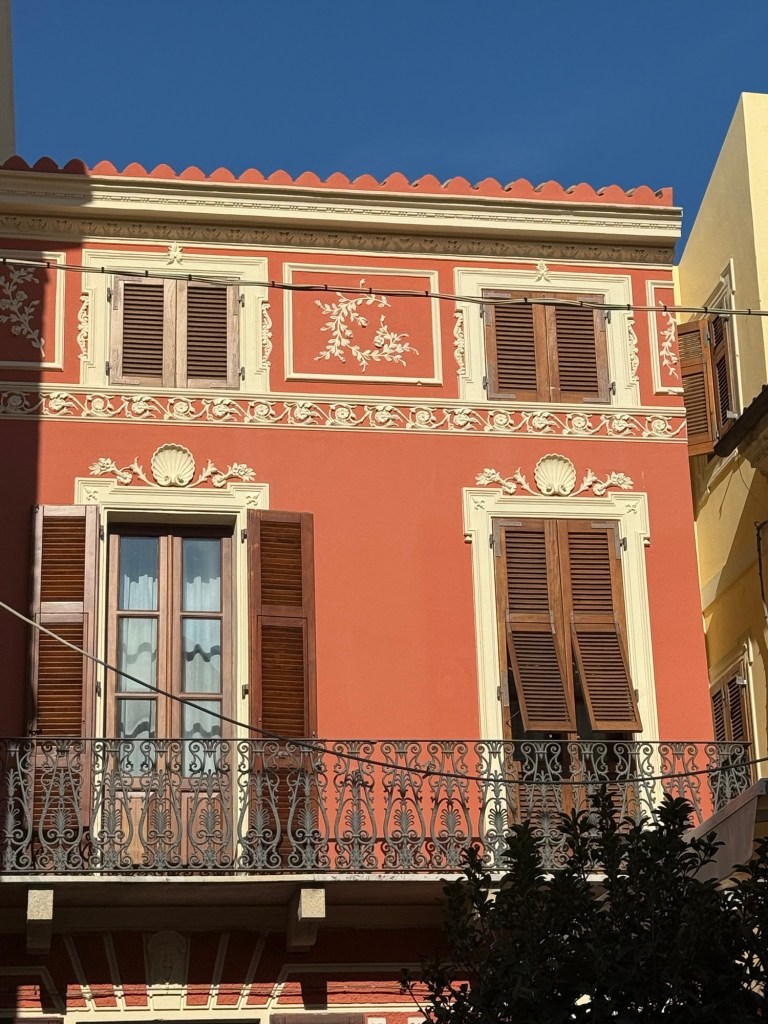
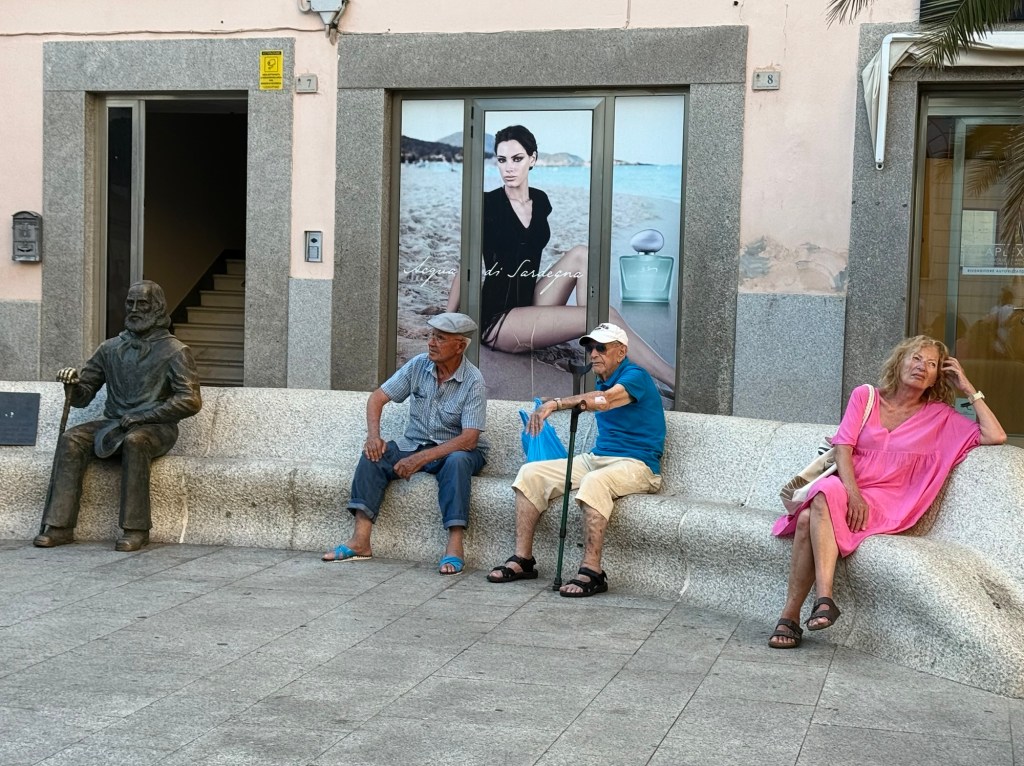
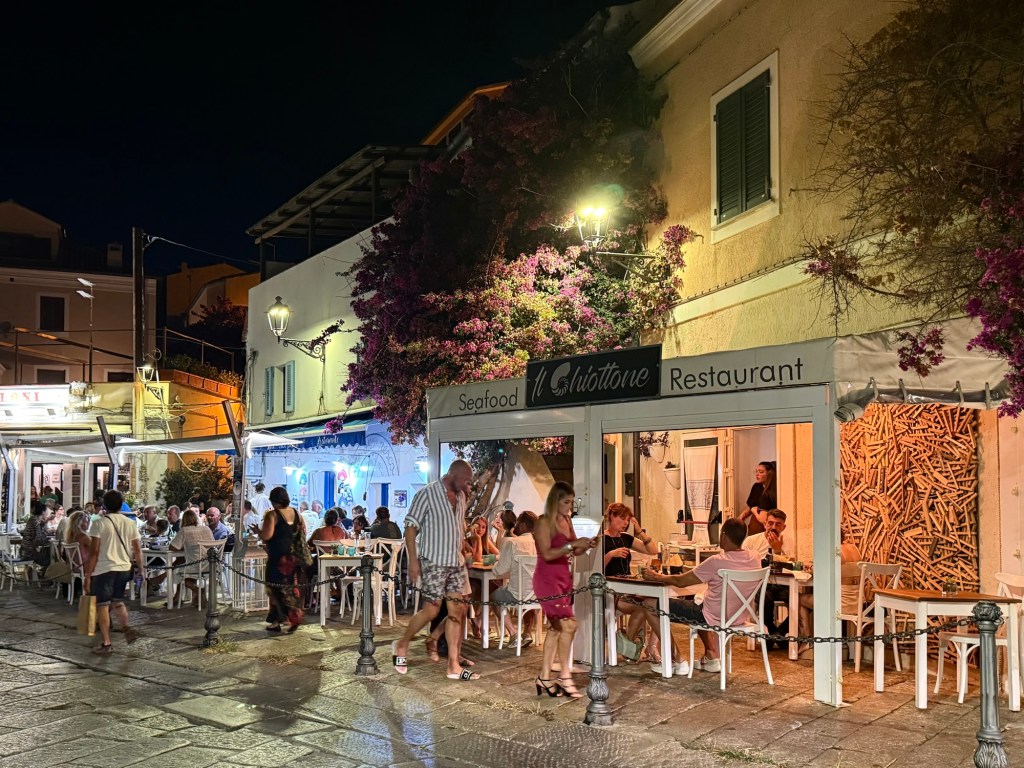
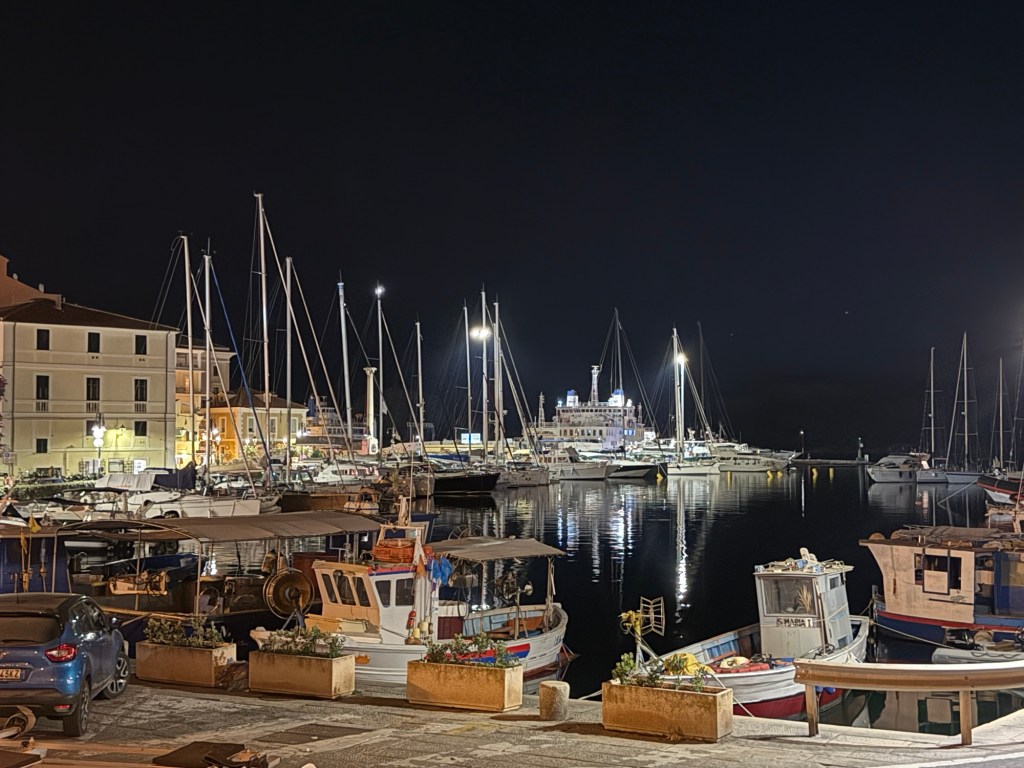
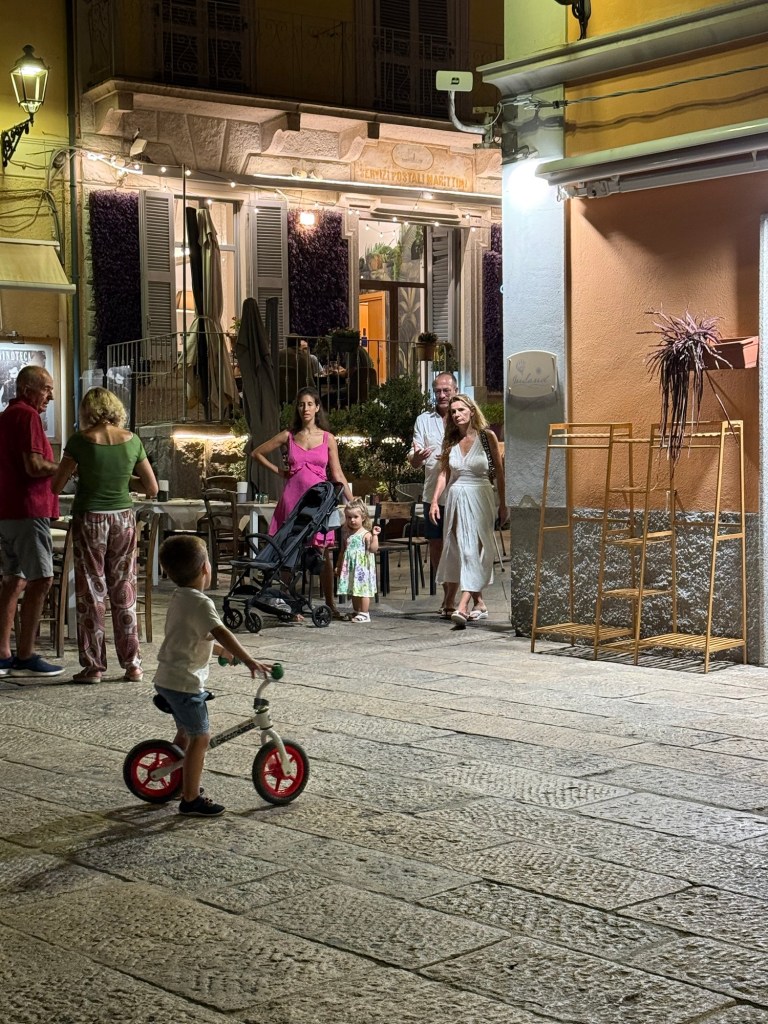
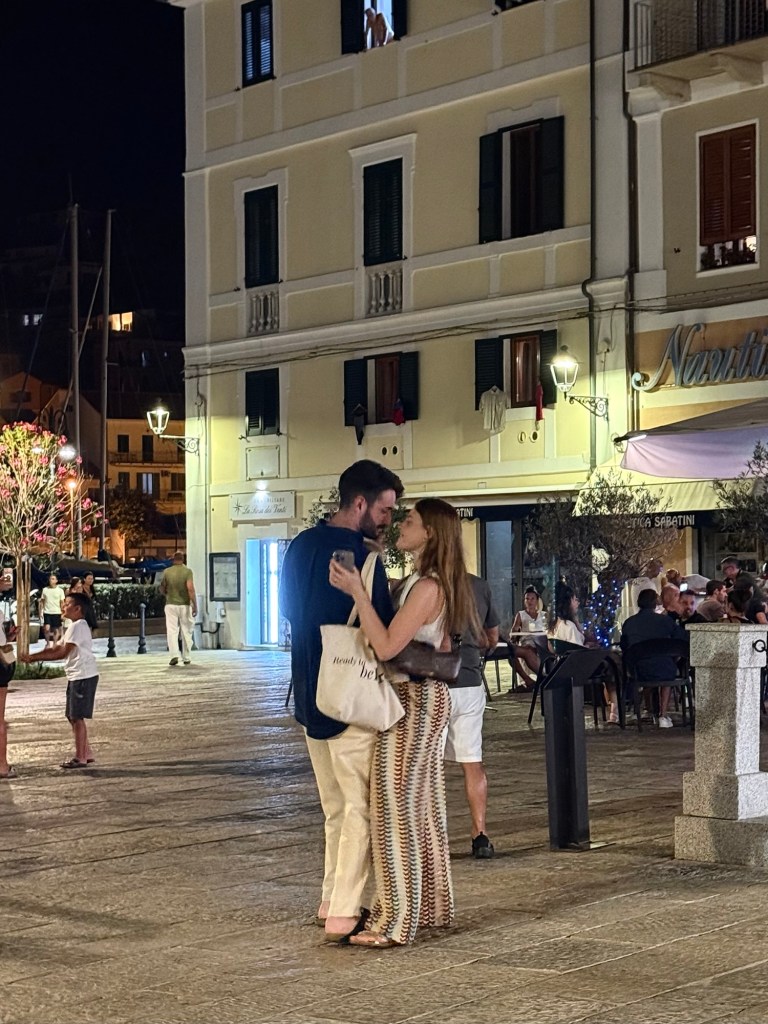
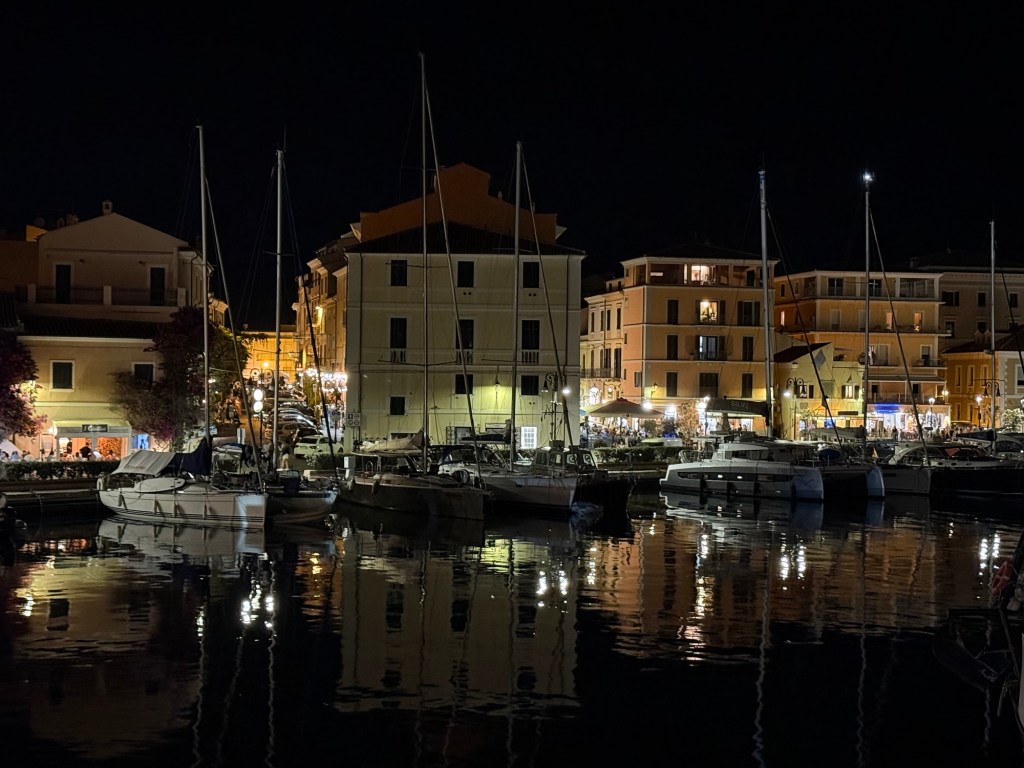
Our marina at La Maddelana on the island of the same name, was very close to the centre of town. The waterfront is lined with bars and restaurants. The street behind, with more restaurants and shops, winds around to a large piazza. We spent the afternoon wandering in and out of shops and I made a much-needed hair appointment for the next day. After dinner that night we walked through the town and further along the waterfront. It was a beautiful night and every bar and restaurant was filled with people eating, chatting and laughing. La Maddelana felt like such a happy town!
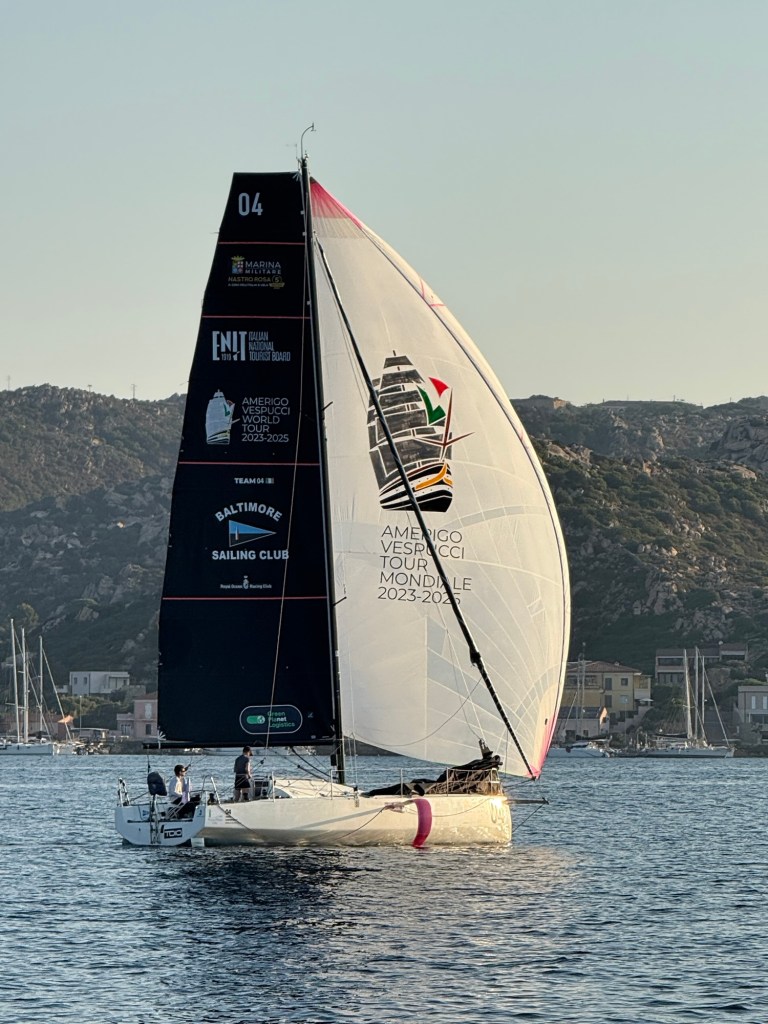
At a large piazza close to the marina were some temporary buildings promoting the Marina Militare Nastro Rosso yacht race. We later learned that the mixed-doubles race was established five years earlier to promote the values of the navy through sailing. This year’s race started in Venice on 1 June and ends 23 July in Genoa, with stops at Cattolica, Vieste, Brindisi, Catanzaro, Siracusa, Trapani, Cagliari and La Maddelana. The lead boat arrived at 2am on our final night. As we sailed out of the harbour early the next day we spotted the yachts that had finished during the night, lined up on the dock. The final two were racing towards the finish line. We were a bit sad to be leaving but had to keep moving as strong winds were forecast to hit the islands over the next few days and we wanted to get to the west coast for some protection.

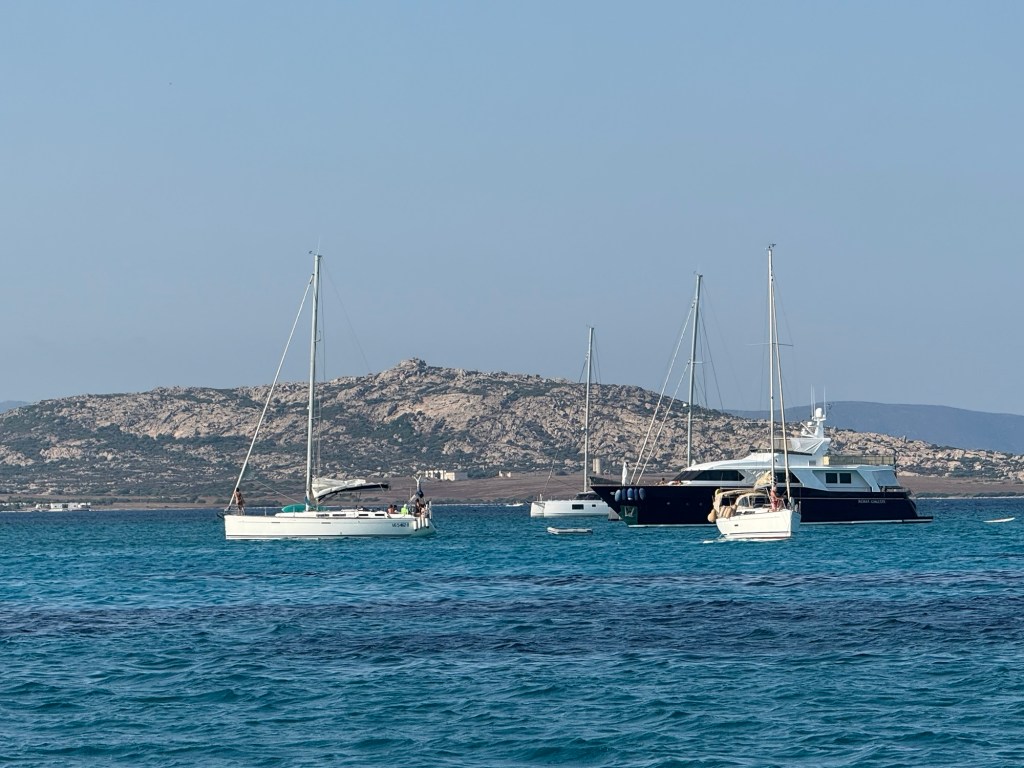
A long rough day of sailing took us to the north-west corner of Sardinia, where we anchored for the night. It was a beautiful and very popular location. The water was much calmer and we took the opportunity for a swim at dusk. It felt so special to be swimming under the stars with the lights on shore twinkling in the distance.

An early morning start and a second long day of sailing down the west coast saw us arrive at Bosa Marina, located near the entrance of the Temo River.
Bosa is located about 3km inland and is the only town in Sardinia built on the banks of a river, making the surrounding countryside green and fertile. It has a population of around 8,000 and is known as one of the most beautiful villages in Italy. That night we ate dinner at the marina’s cool and colourful Tiki Bar and made plans to extend our stay as we wanted to see more of the town.
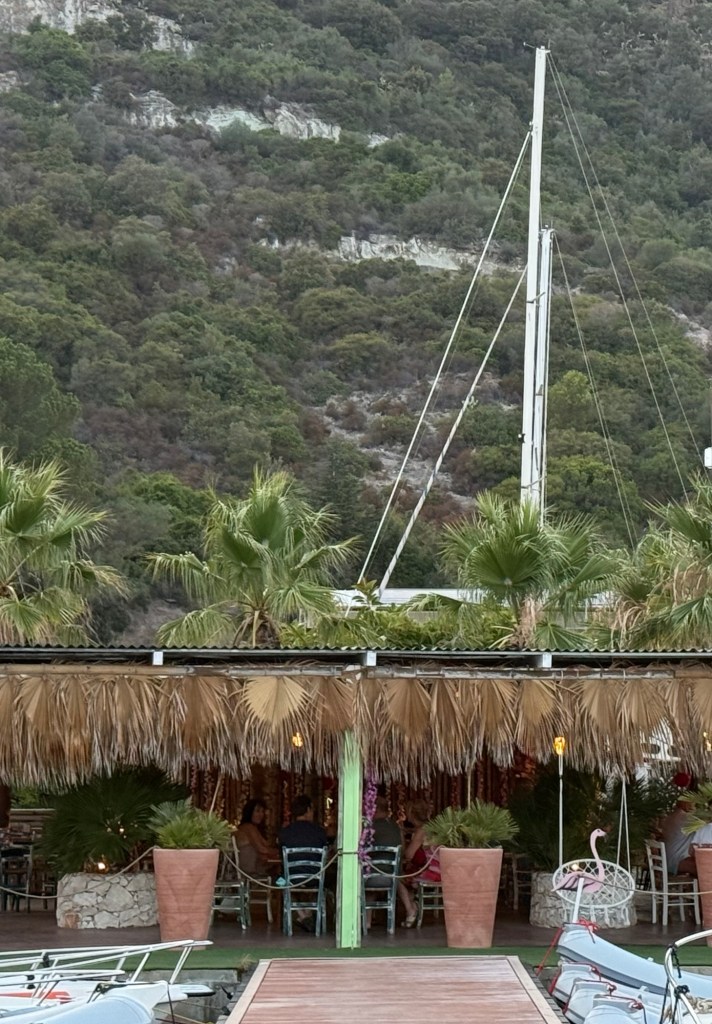


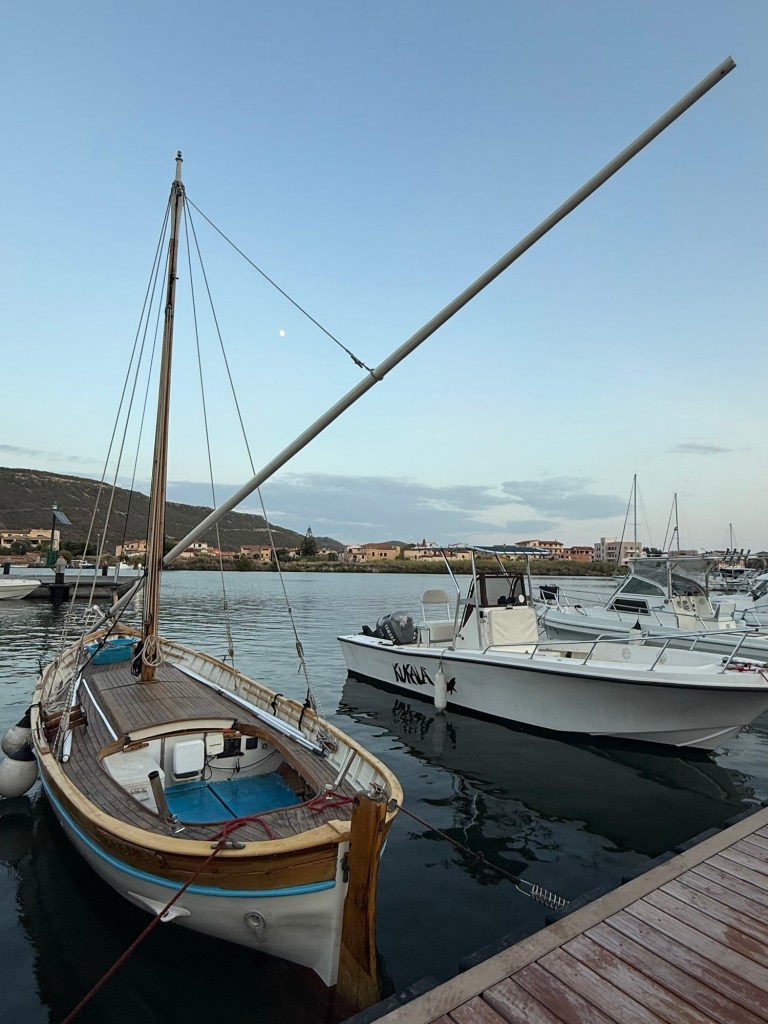
Bosa is famous for its medieval Castle of Serravalle, built in the 12th century and with amazing views across the city. At the foot of the castle is the original old town and after visiting the castle the next evening we wandered through the narrow stone alleys among the brightly coloured houses down to the Temo. Across the river we saw some food vans and stopped for dinner and drinks before wandering back to our marina.

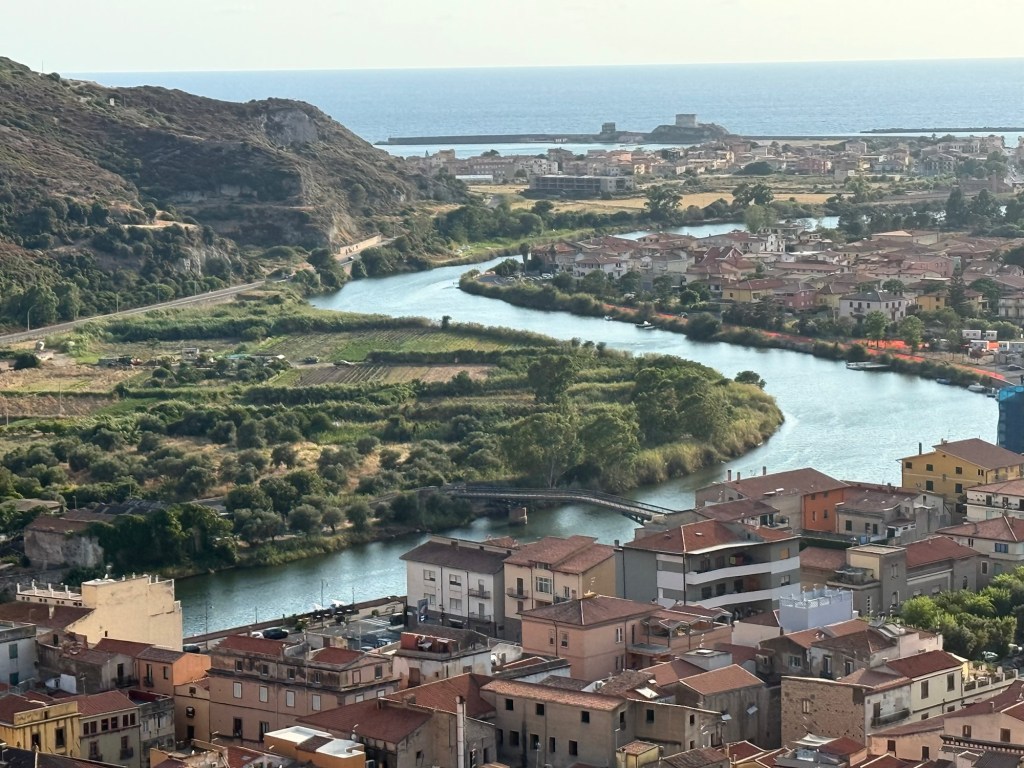
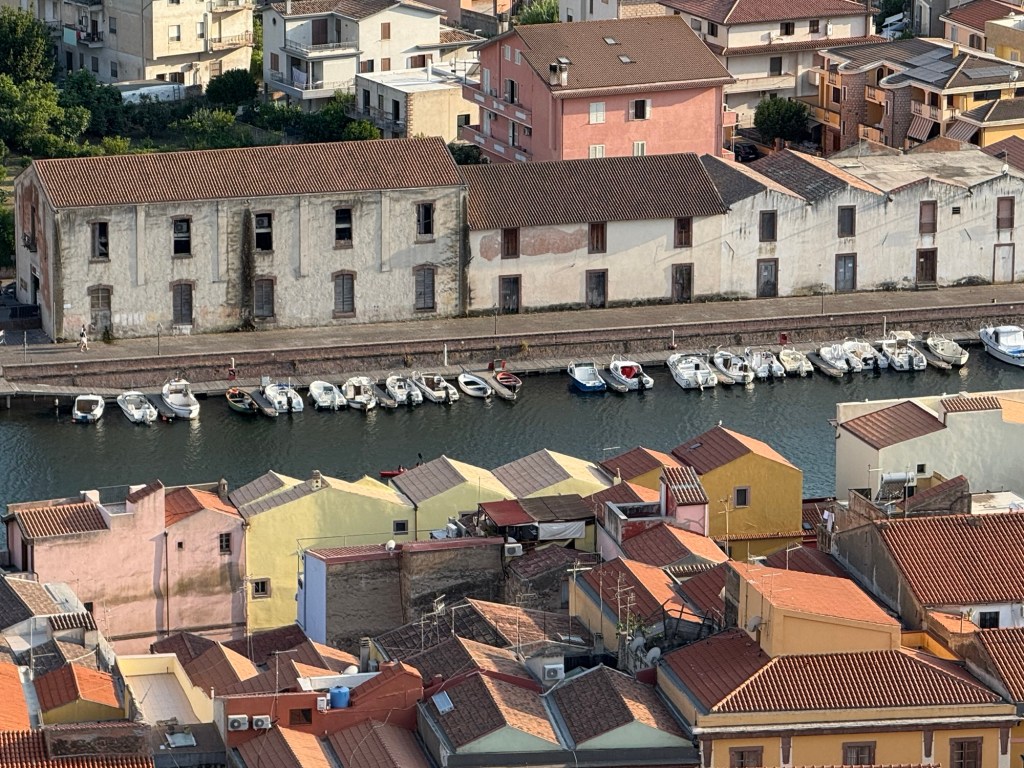
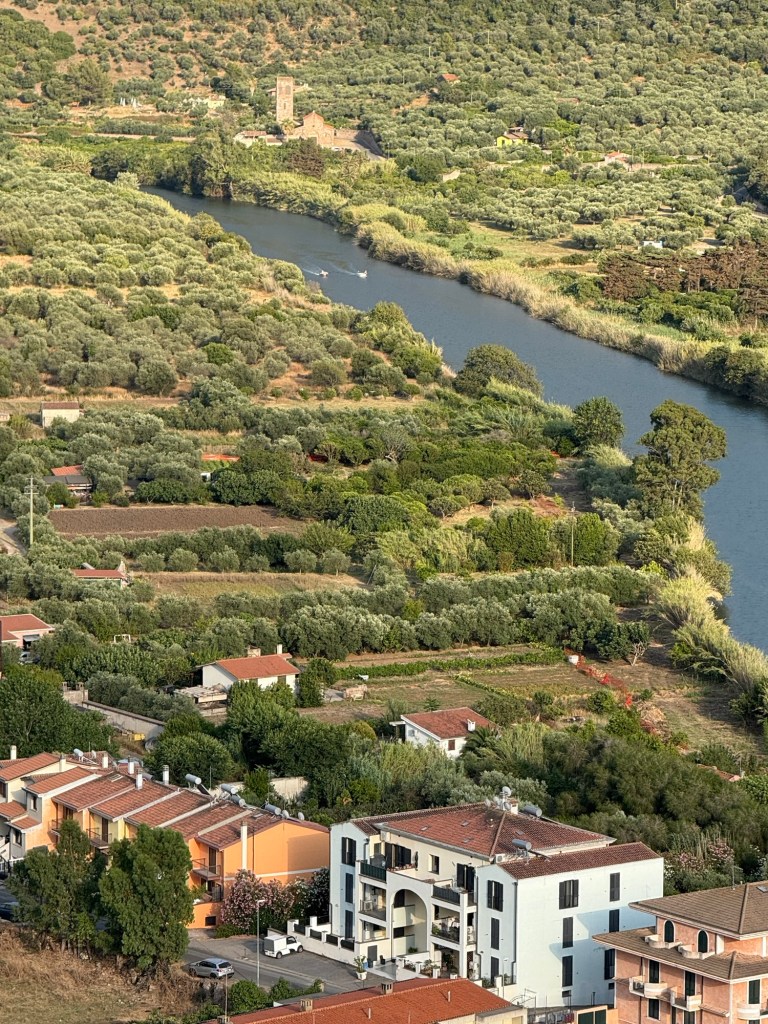
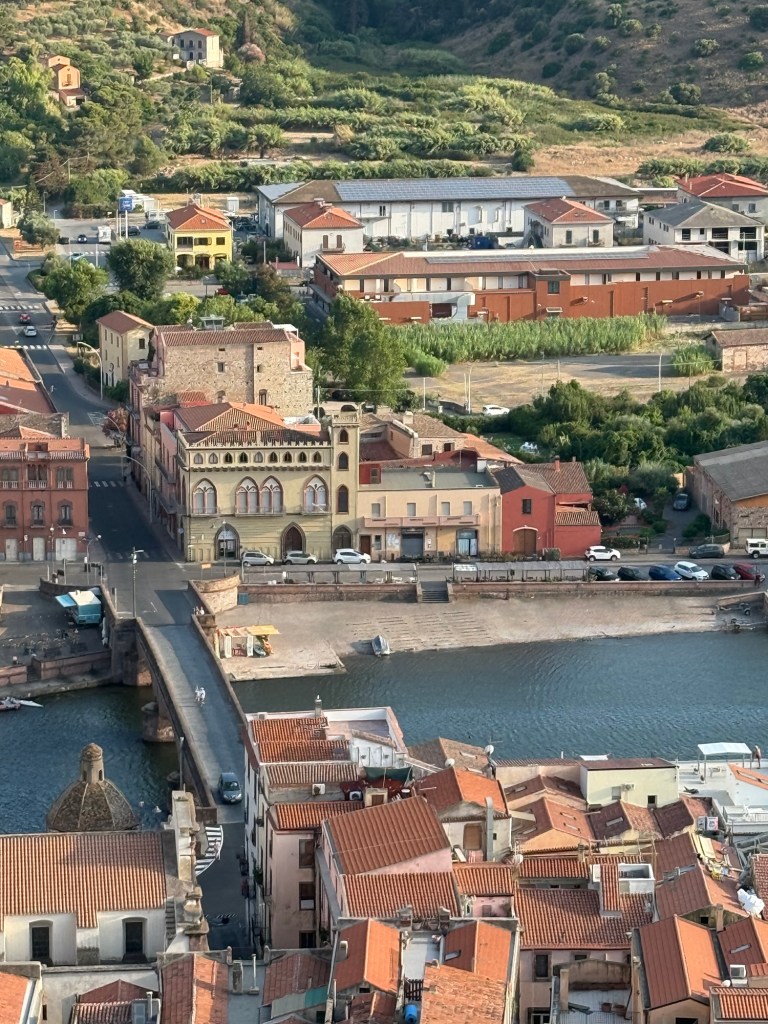
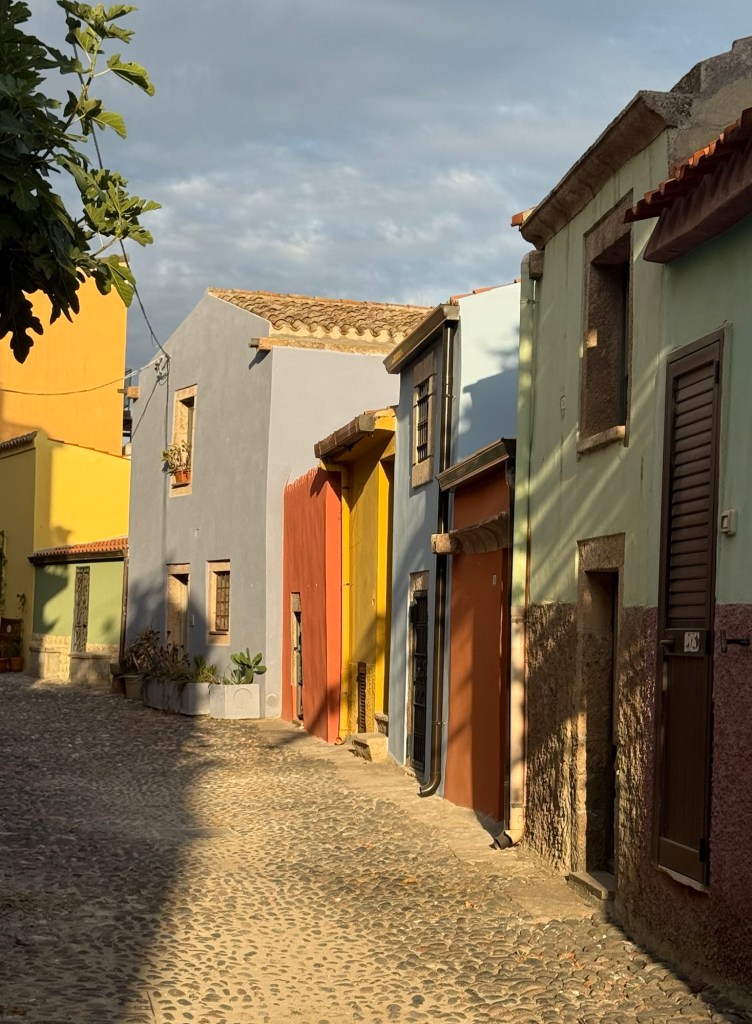
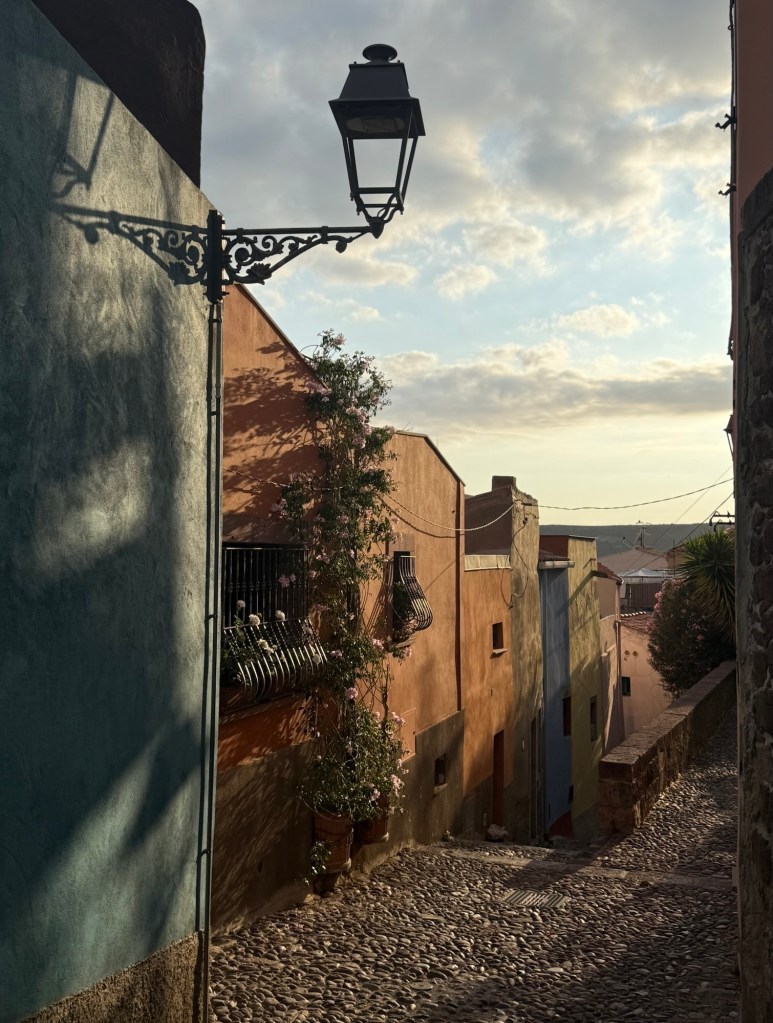
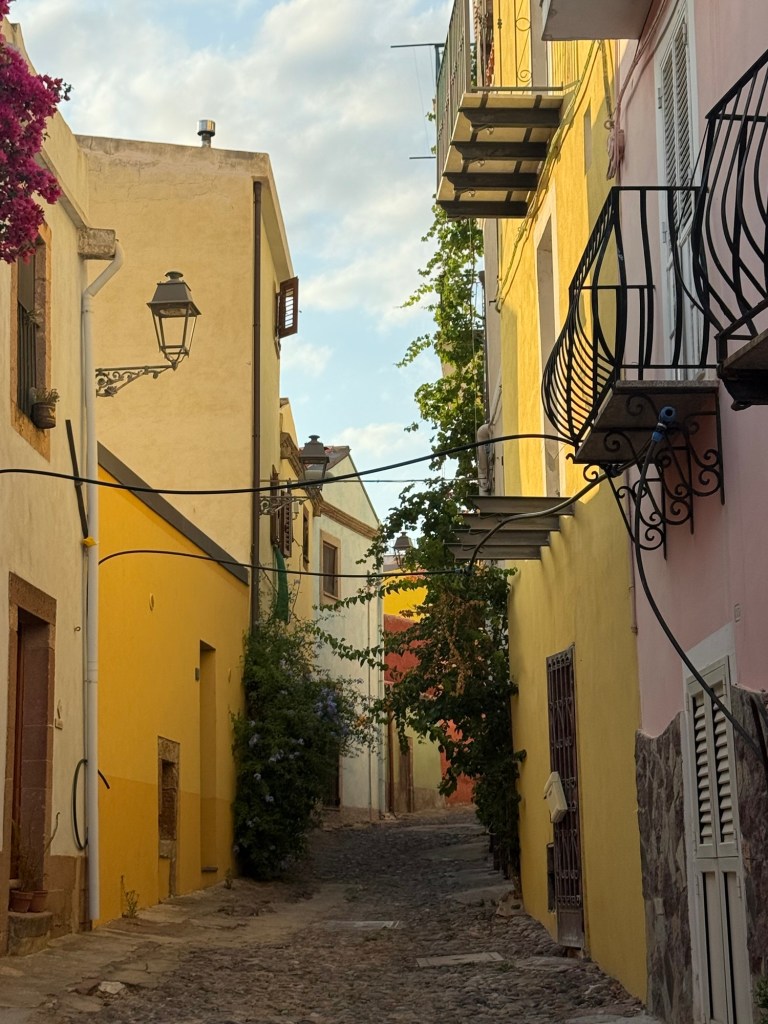
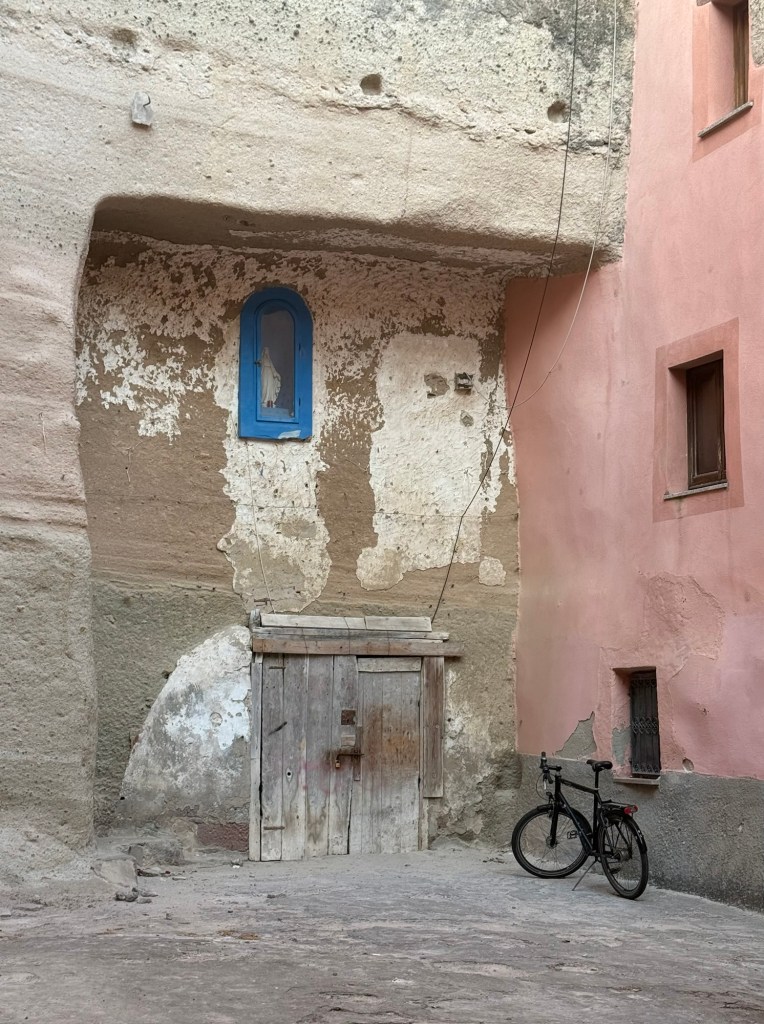
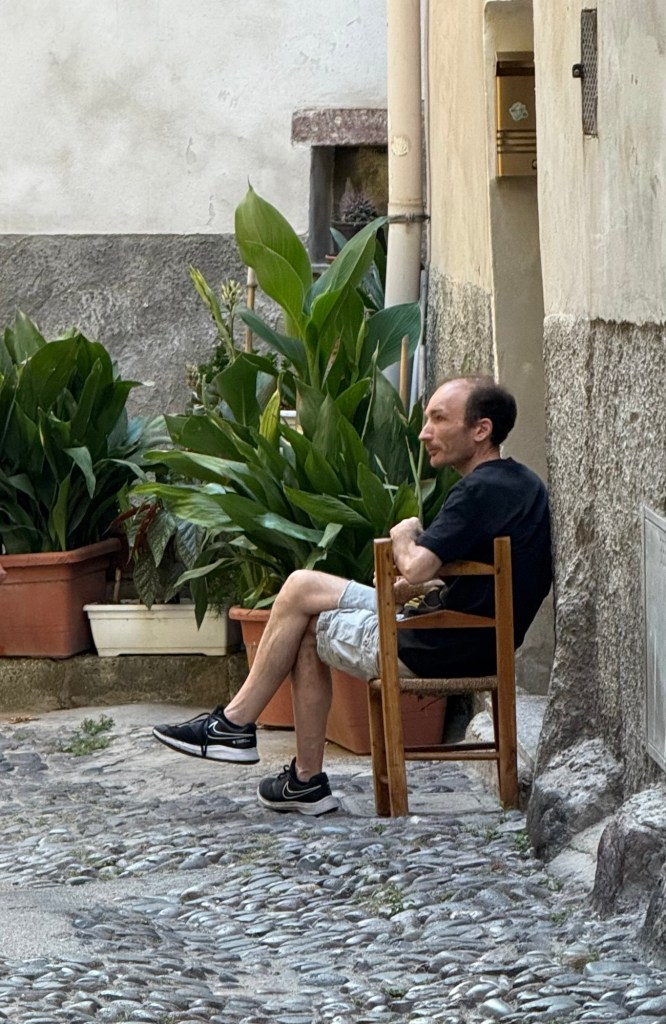
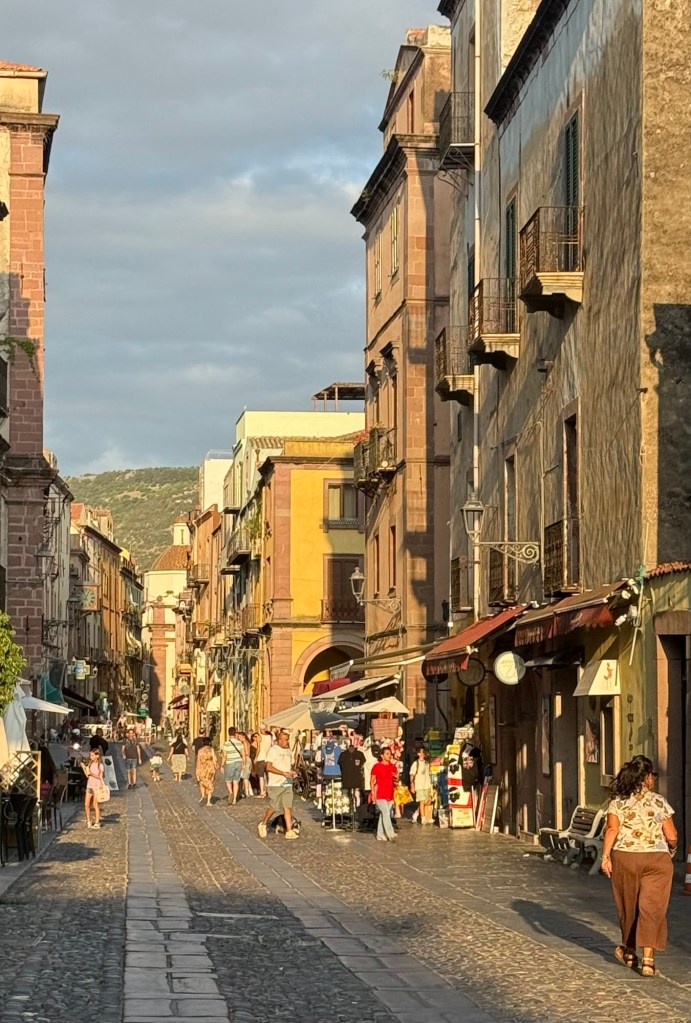
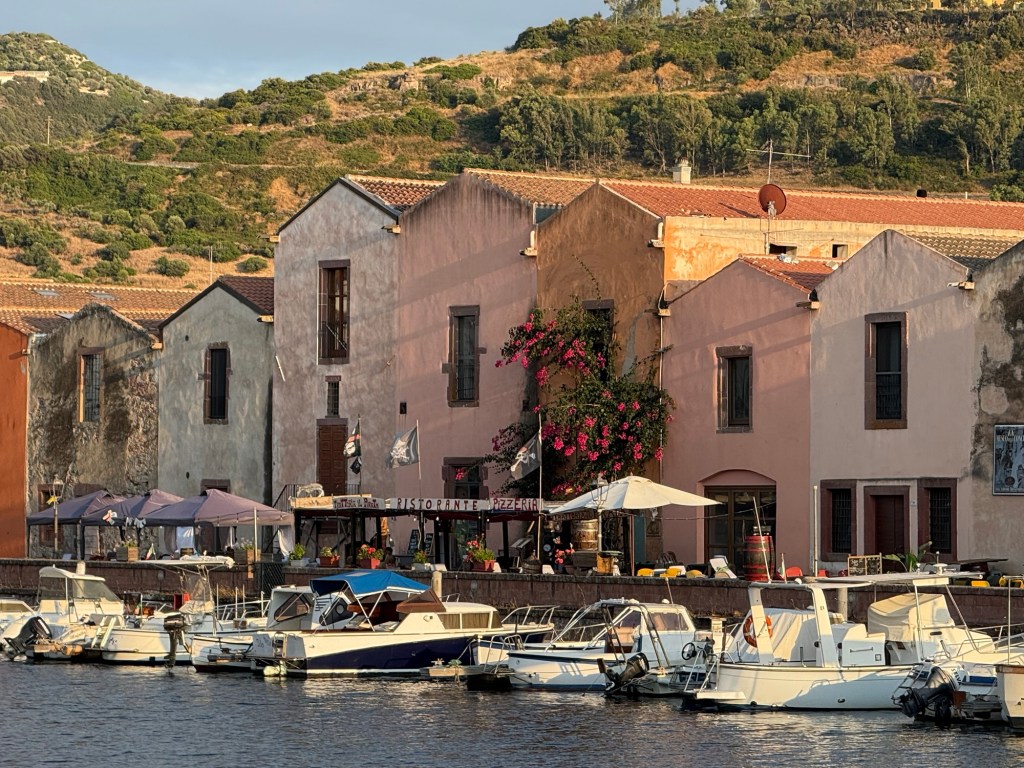
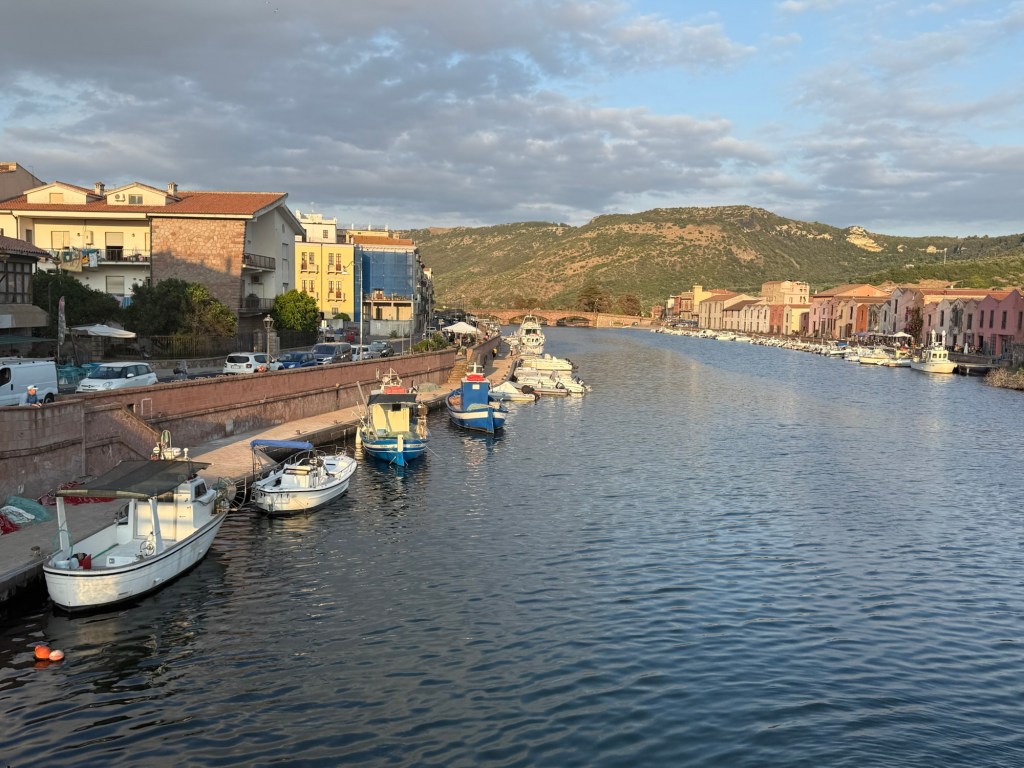
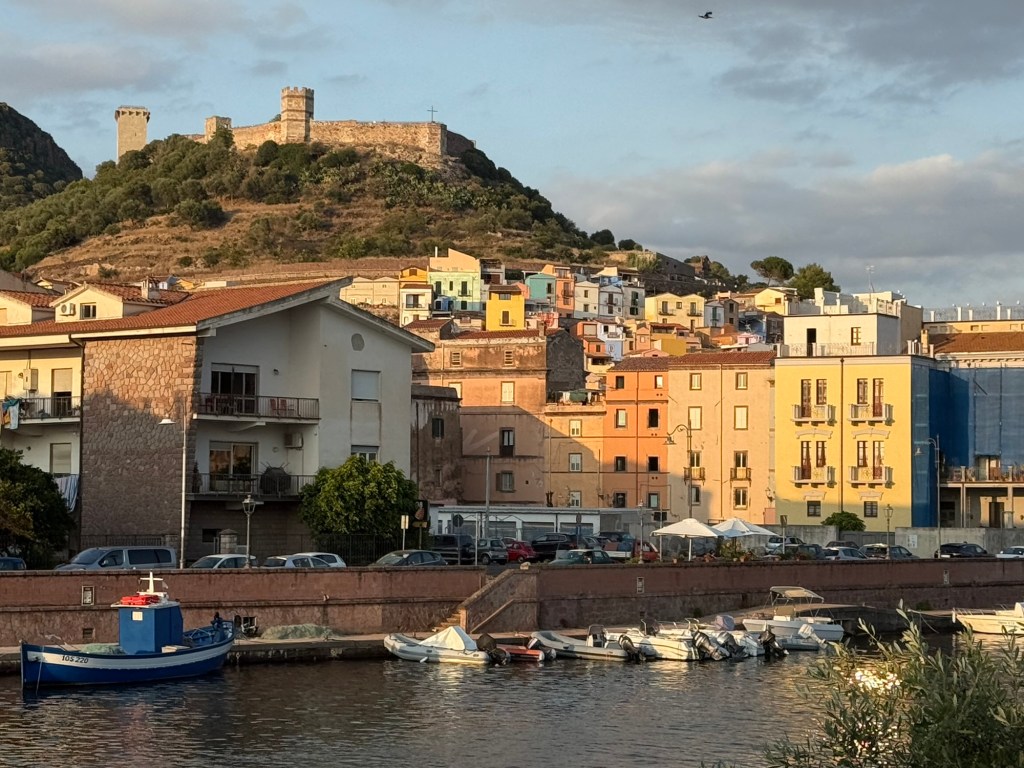
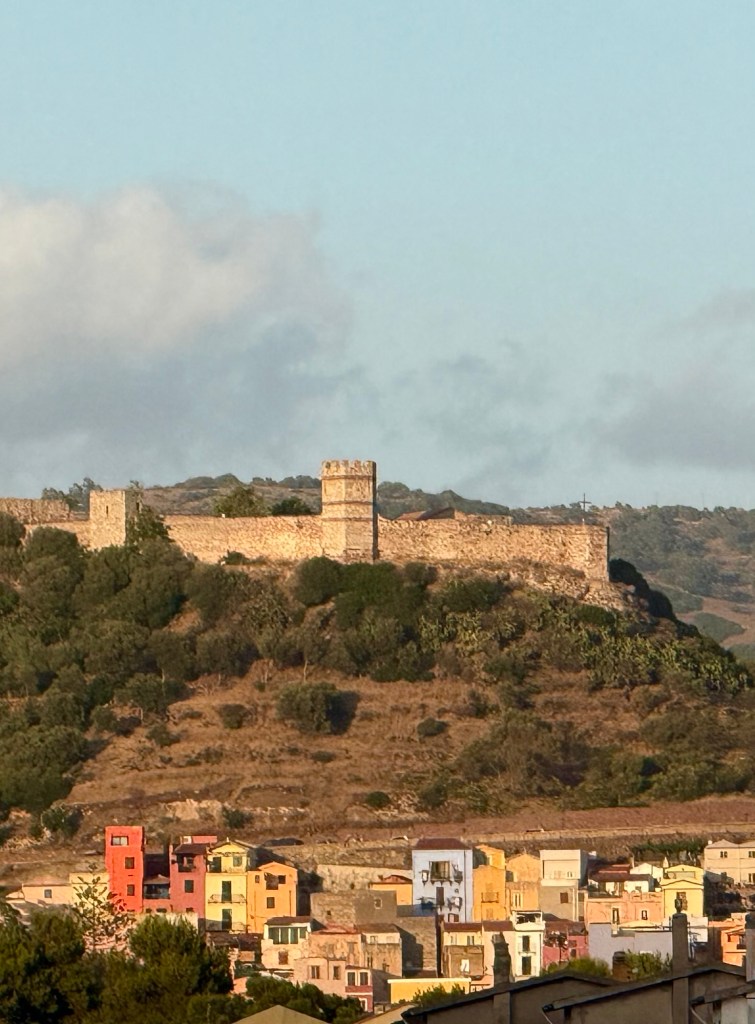
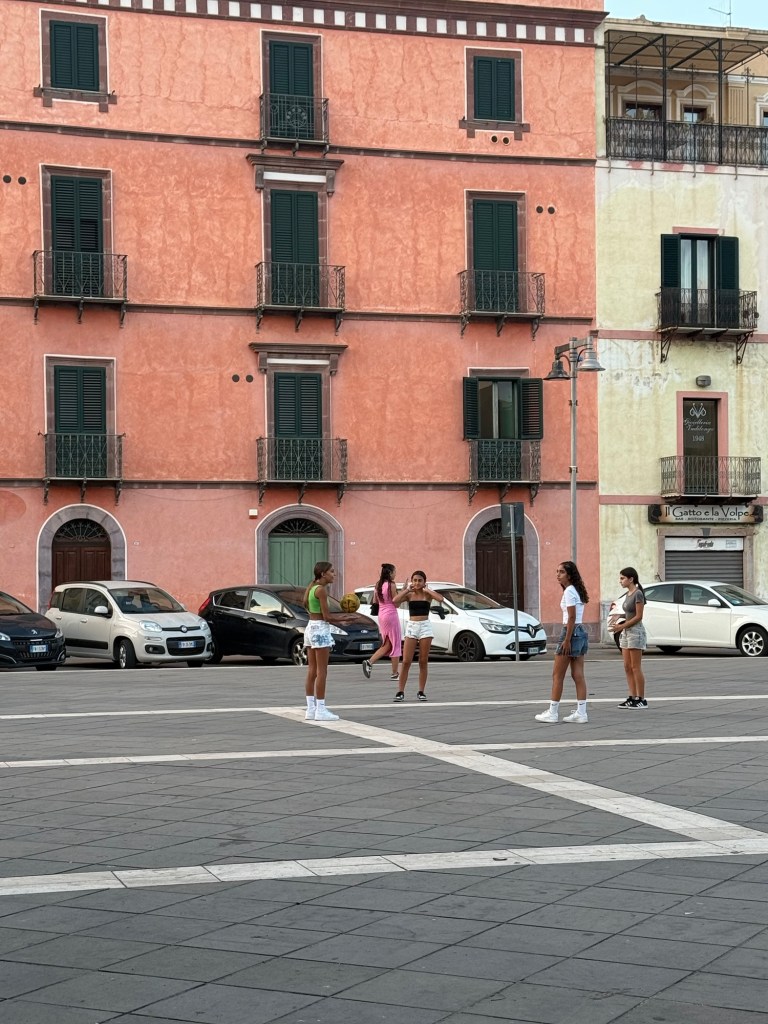
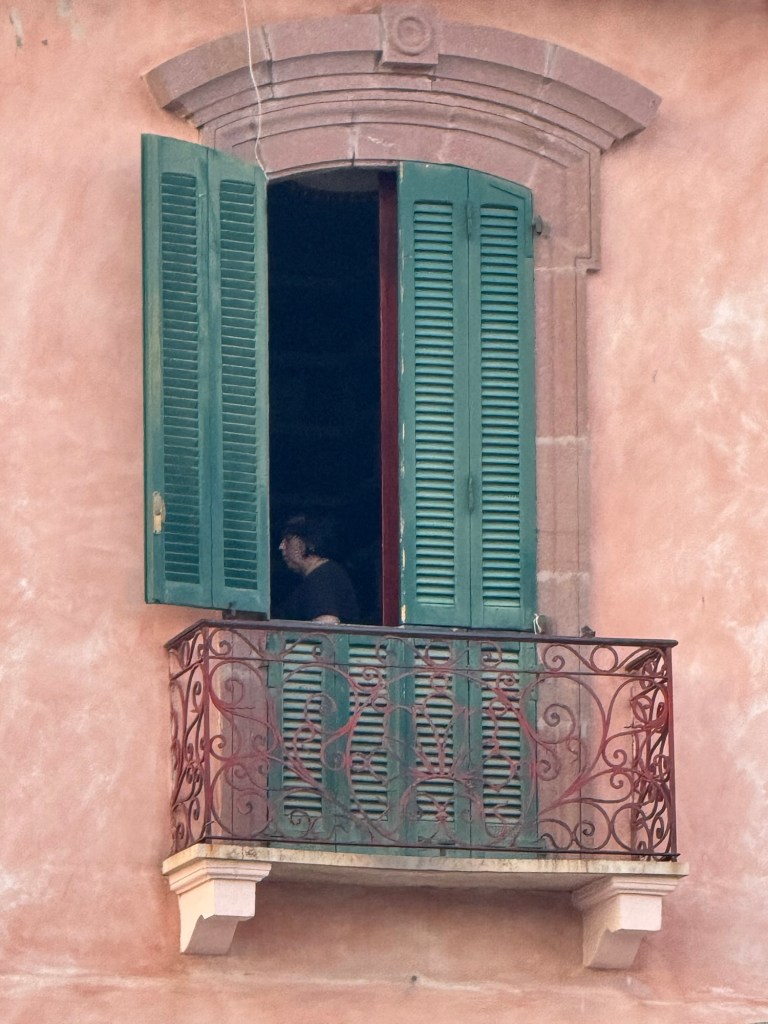
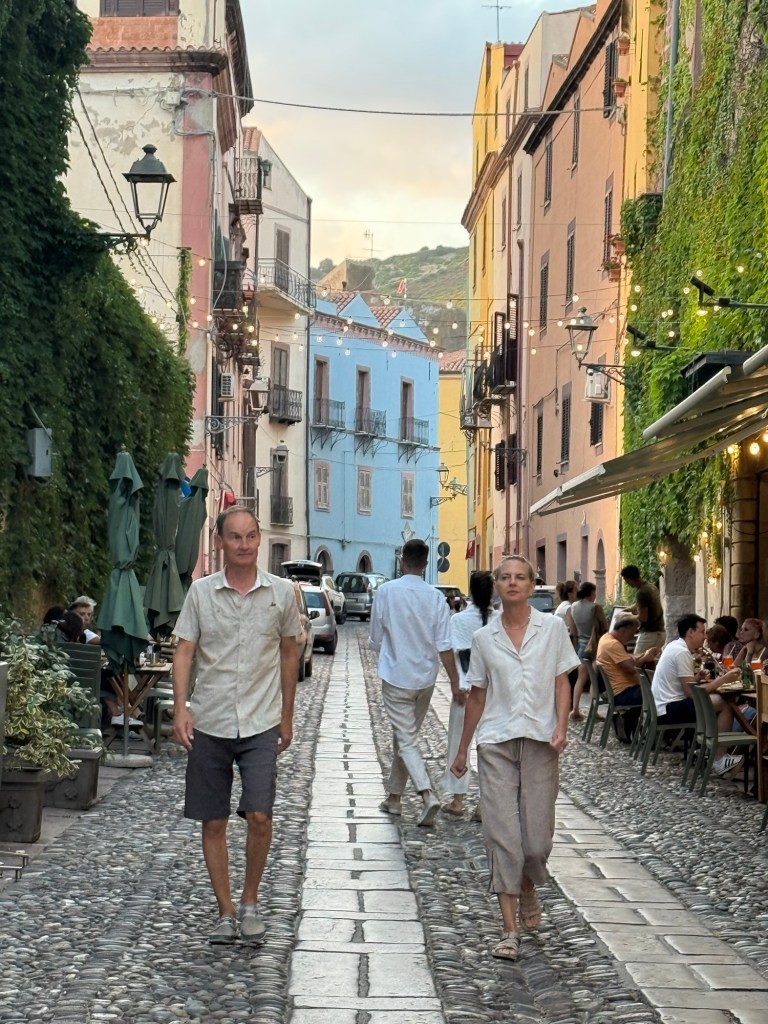
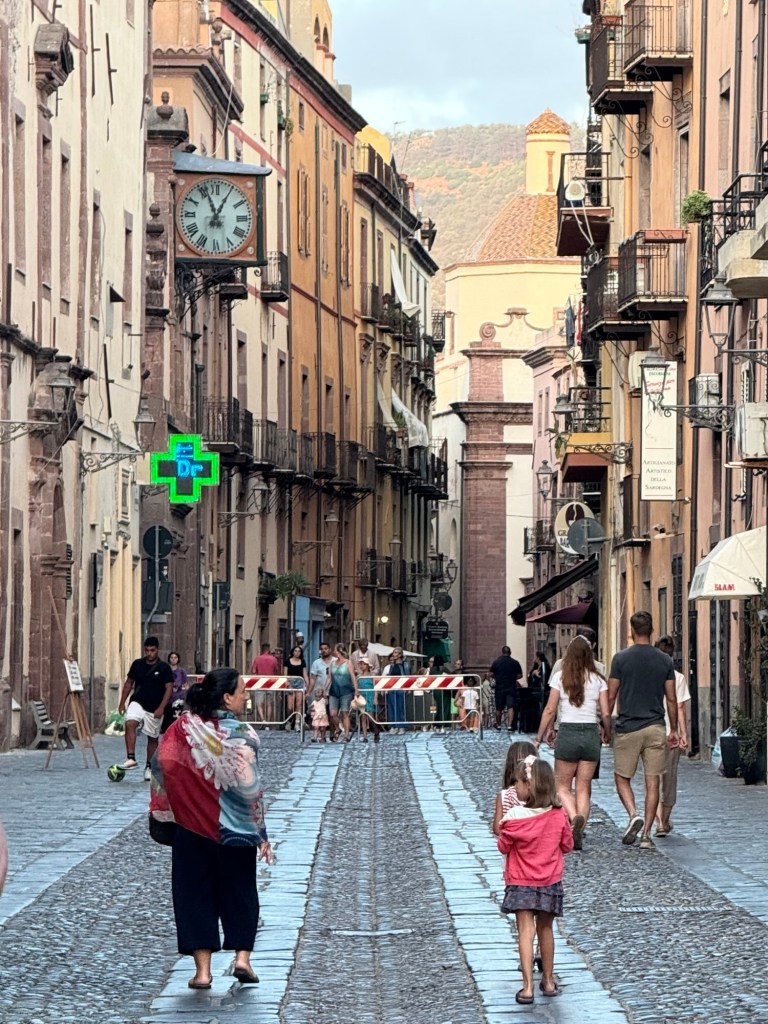
The main street of Bosa is paved in basalt and cobblestones and lined with shops, restaurants and 18th century houses. The following night we walked back into town for dinner and a wander. The street was filled with families shopping and dining and had a really nice atmosphere. We’d all fallen in love with Bosa and would be very sorry to leave.


After four fun-filled days, we checked out of the Bosa marina and motored back out to sea. With less than a week of sailing left, we wanted some more time on anchor to swim and enjoy Sardinia’s beautiful coastline before packing up the boat for another year.
 This Travelling Life