We took the road less travelled from Skagastrond to Akureyri, driving part of the recently opened Arctic Coast Way. The entire route is 900 kilometres along the entire north coast of Iceland and runs close to the arctic circle in some sections. While we only drove a small part of the new road, it was well worth the effort.
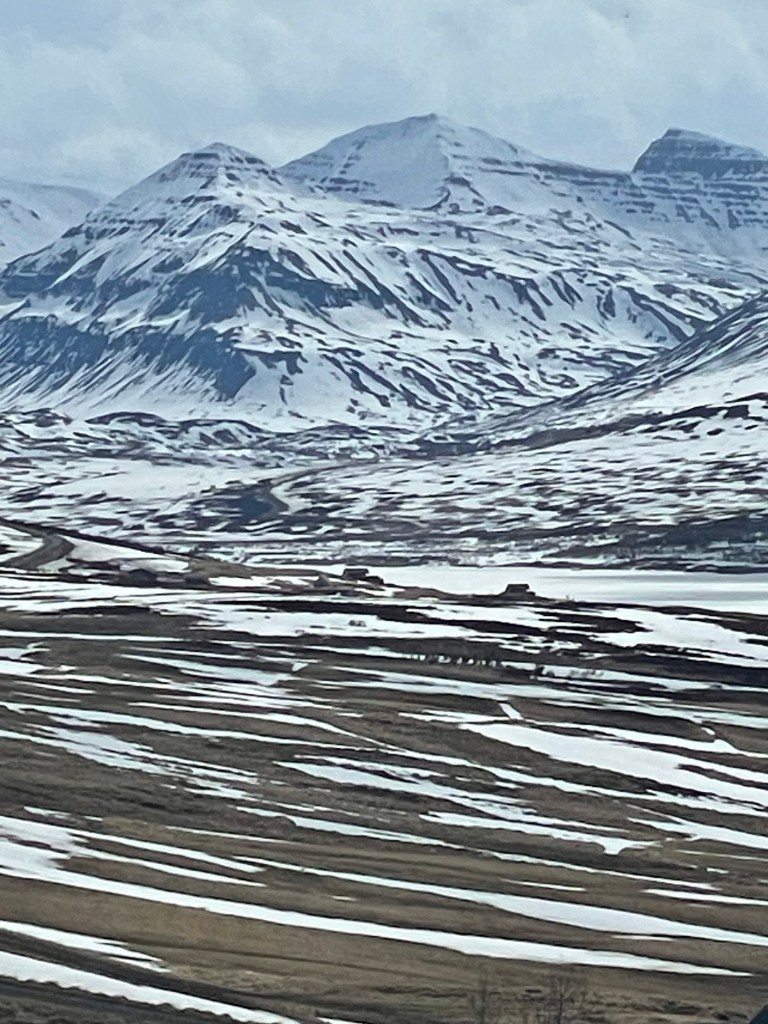
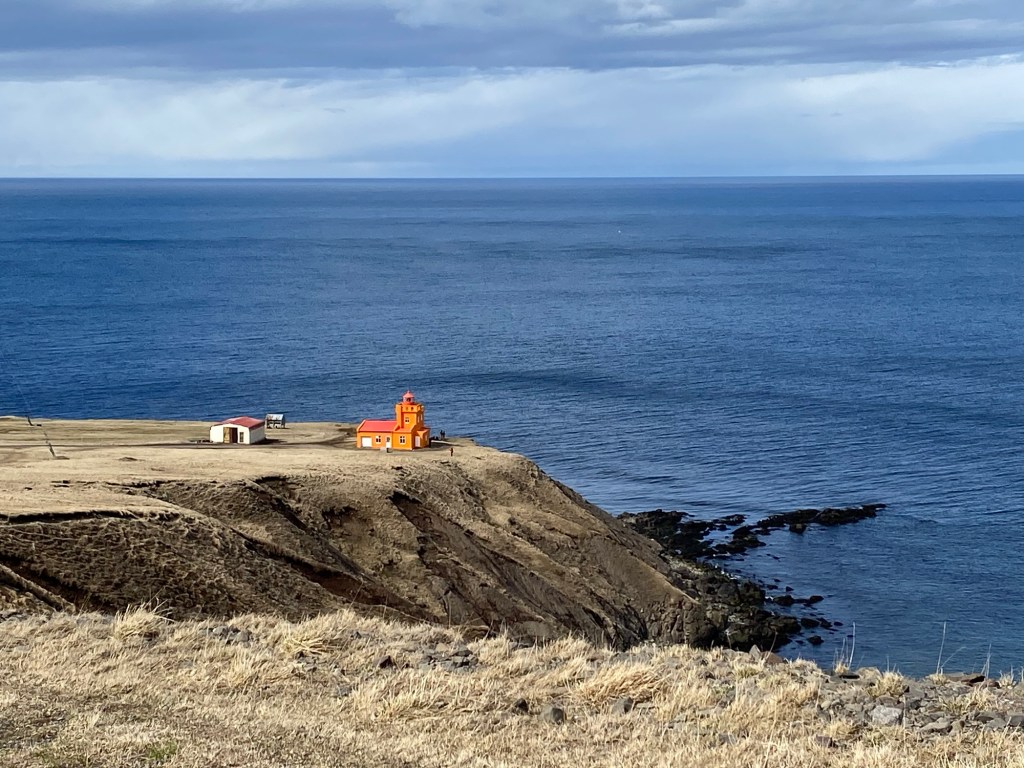
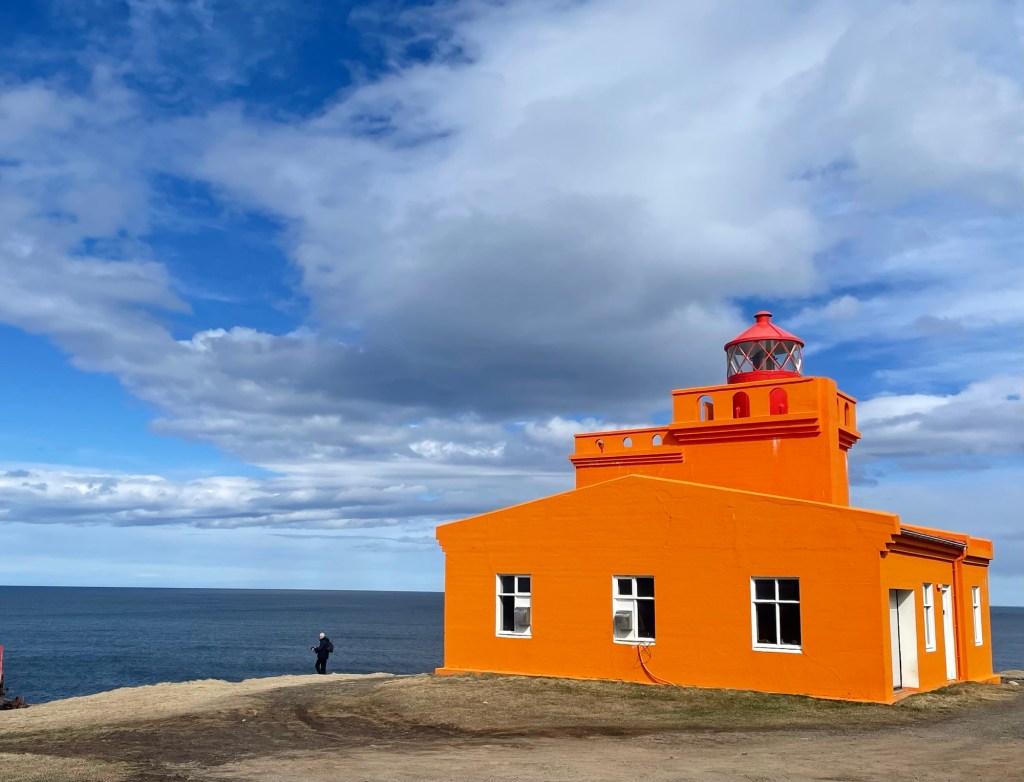
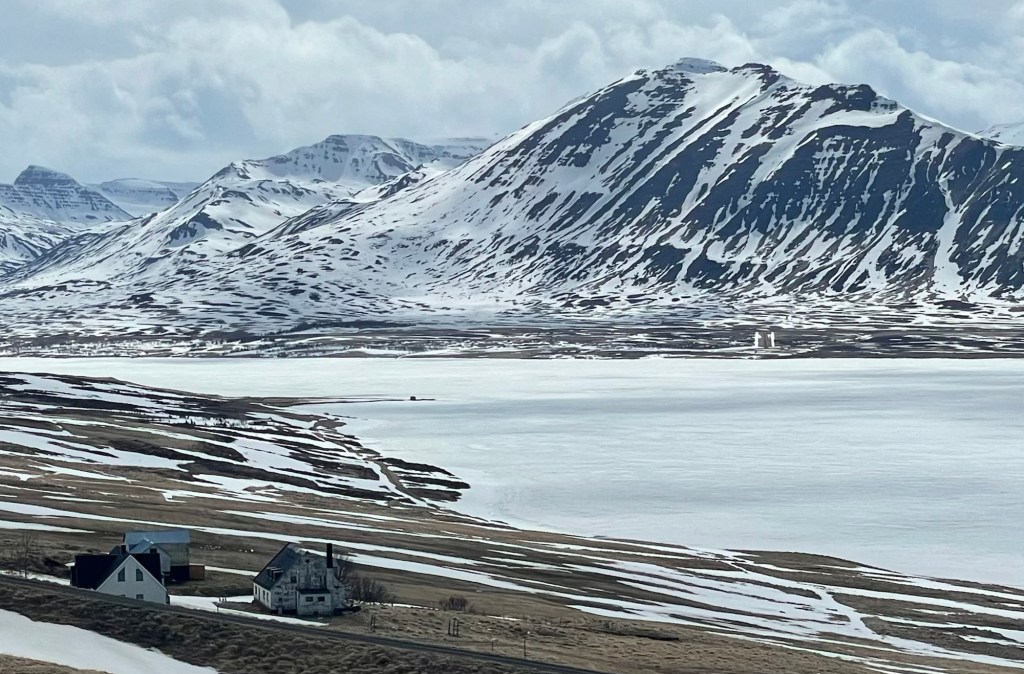
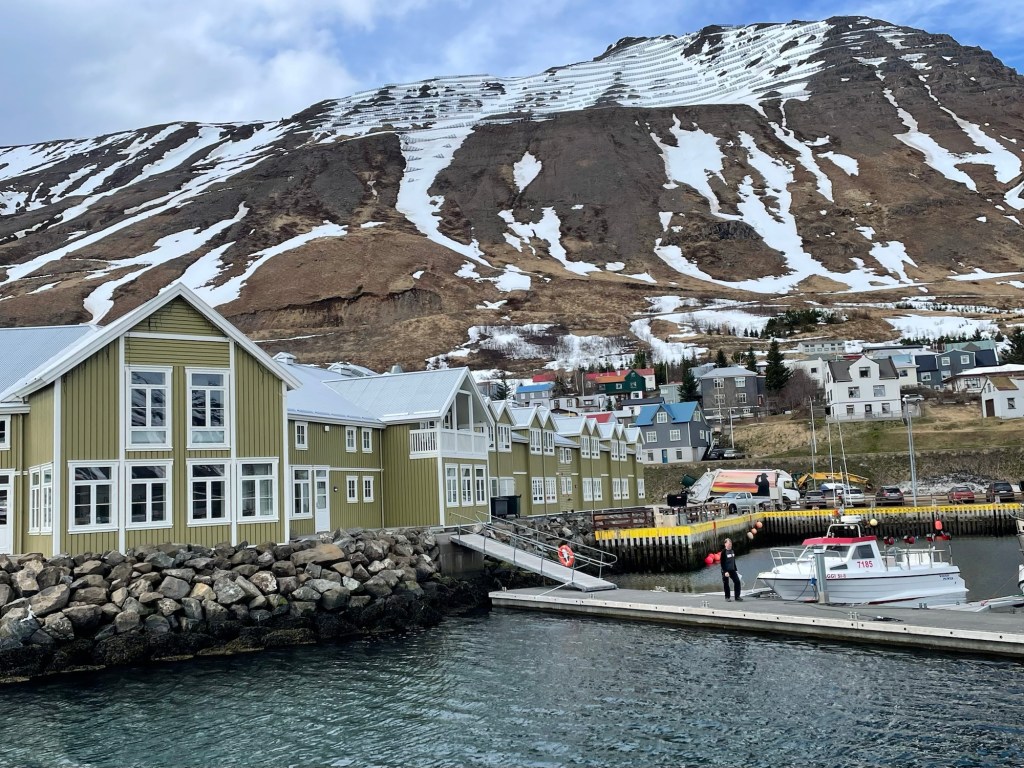
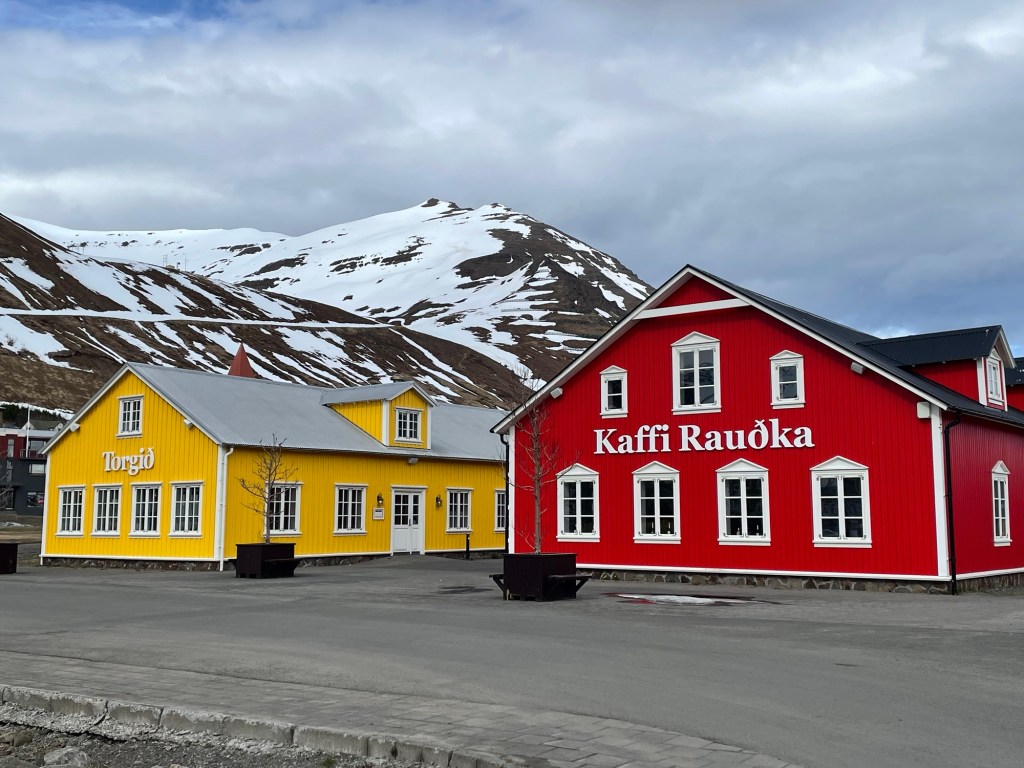
The scenery was spectacular and Siglufjordur was a highlight. The town was built on the herring industry which has been in decline since the 1970’s. While there is still a dependency on fishing, the development of the Arctic Coast Way is likely to bring more tourists to the town. The streets are lined with brightly coloured houses and there is a large hotel located near the port. The town was quiet and many of the restaurants were closed, but there was a sense that this would change over the next few months as the weather warms and the tourist season commences. We left the town as we‘d entered it … via a long tunnel through the mountains.

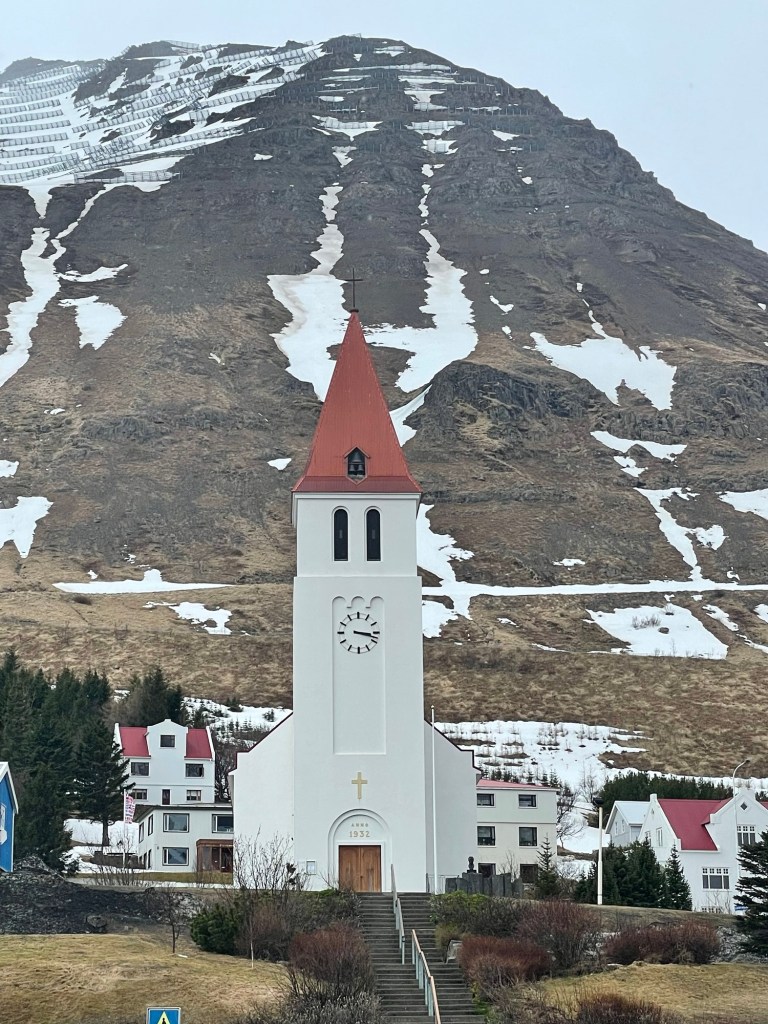
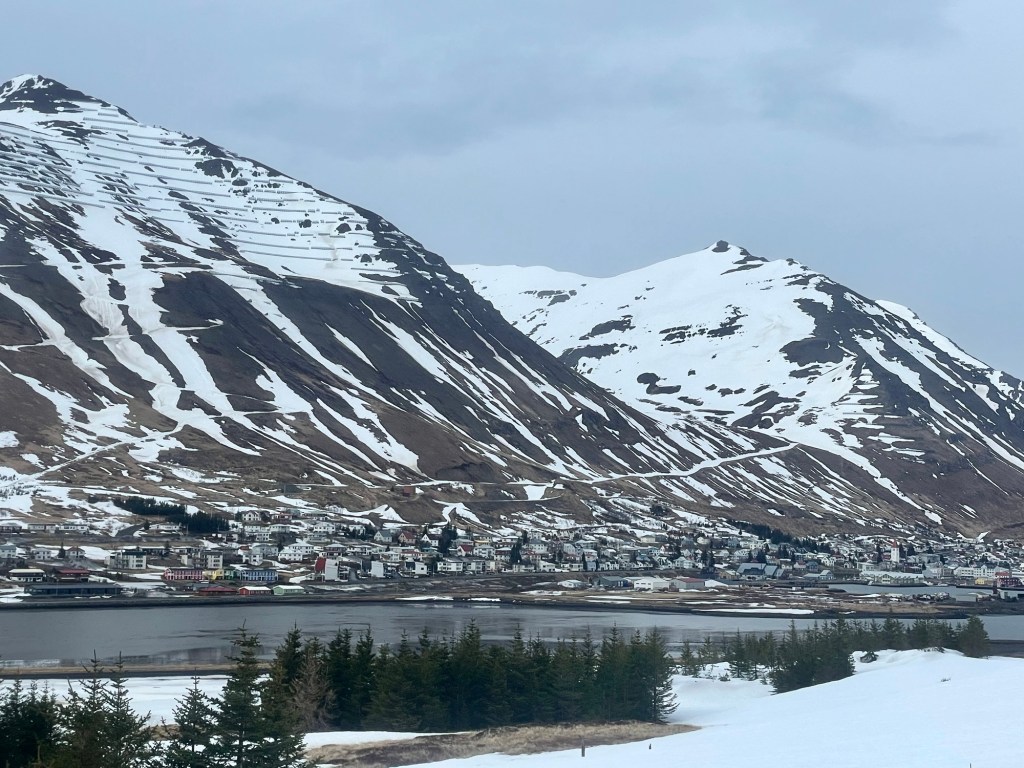
We continued our coastal journey to Akureyri where we’d spend the next two nights. I had fond memories of Akureyri from my last visit to Iceland eight years ago and was eager to see if it had changed. Our apartment was away from the centre of town in a newly developed housing estate, so after dumping our bags, we drove in for a look around. The main street was just the same with the enormous art deco church sitting high above it. That night we had dinner at the local pub and ate the fish soup with home baked bread. This soup seems to be on every menu and is delicious.
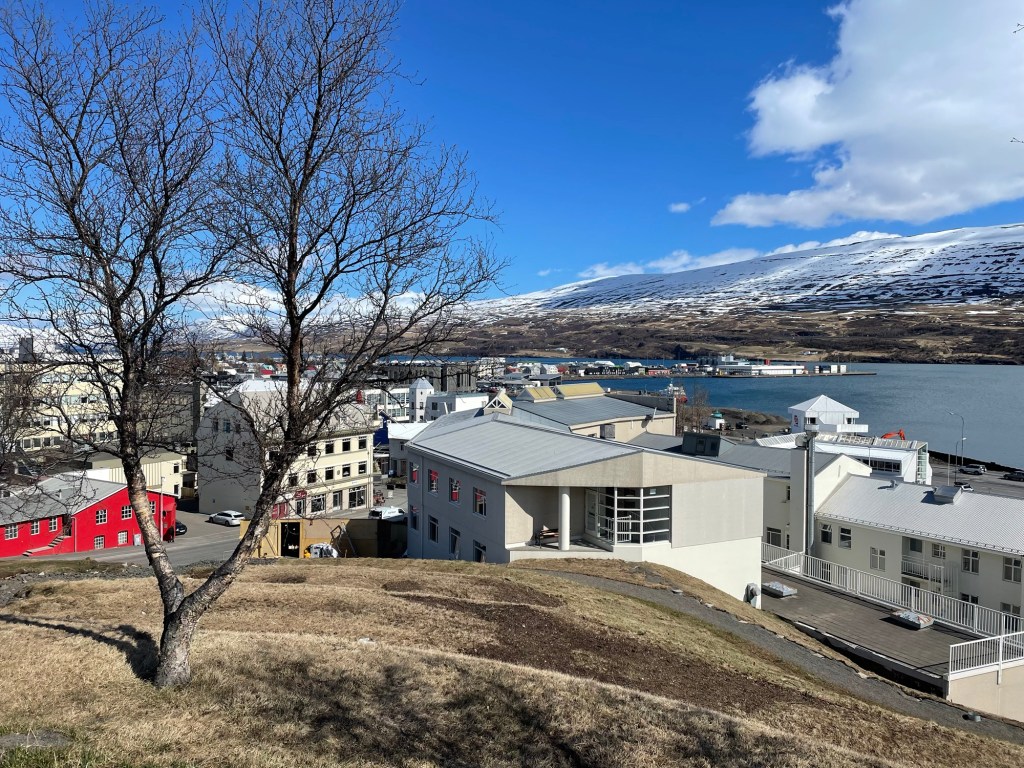
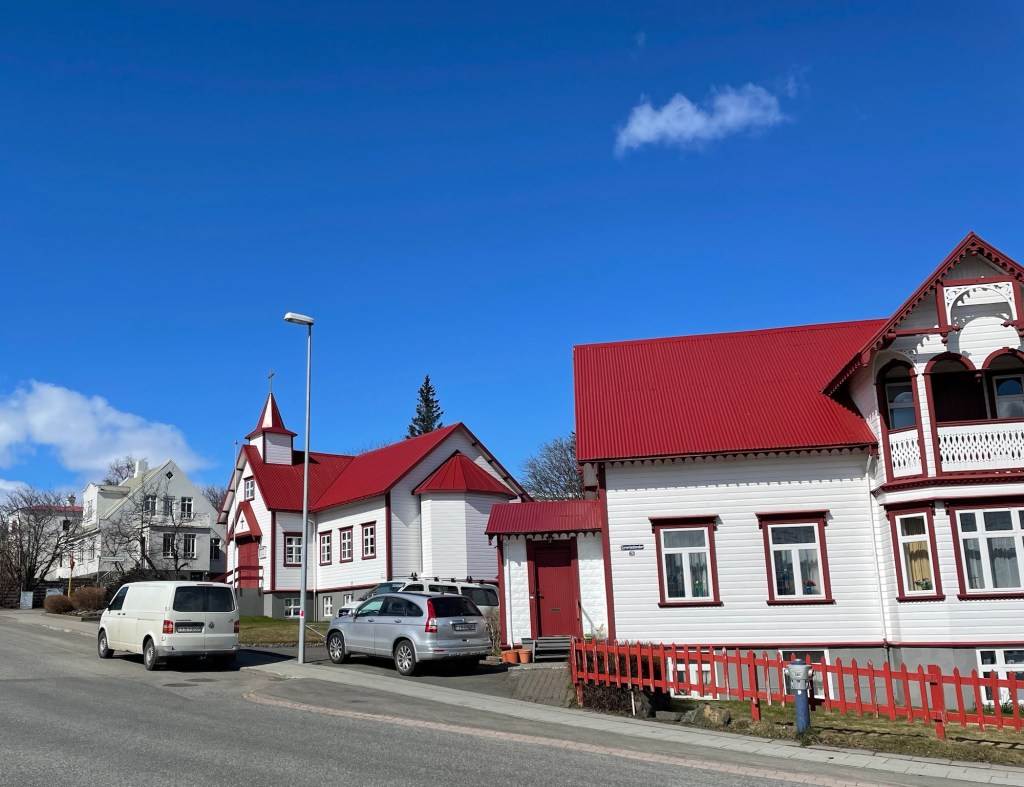
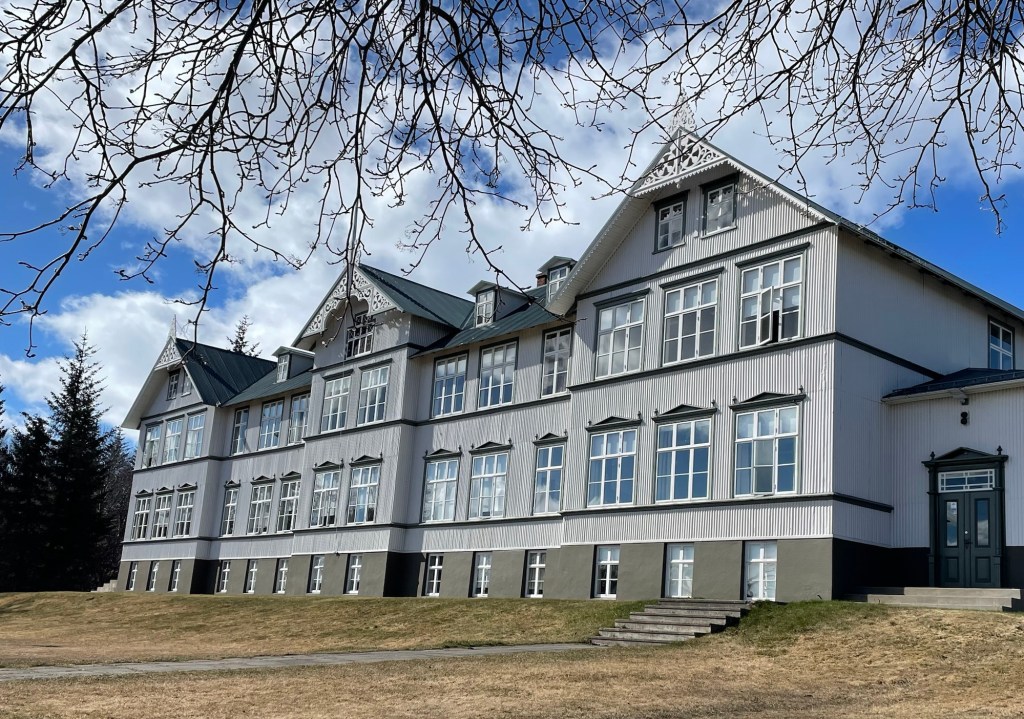

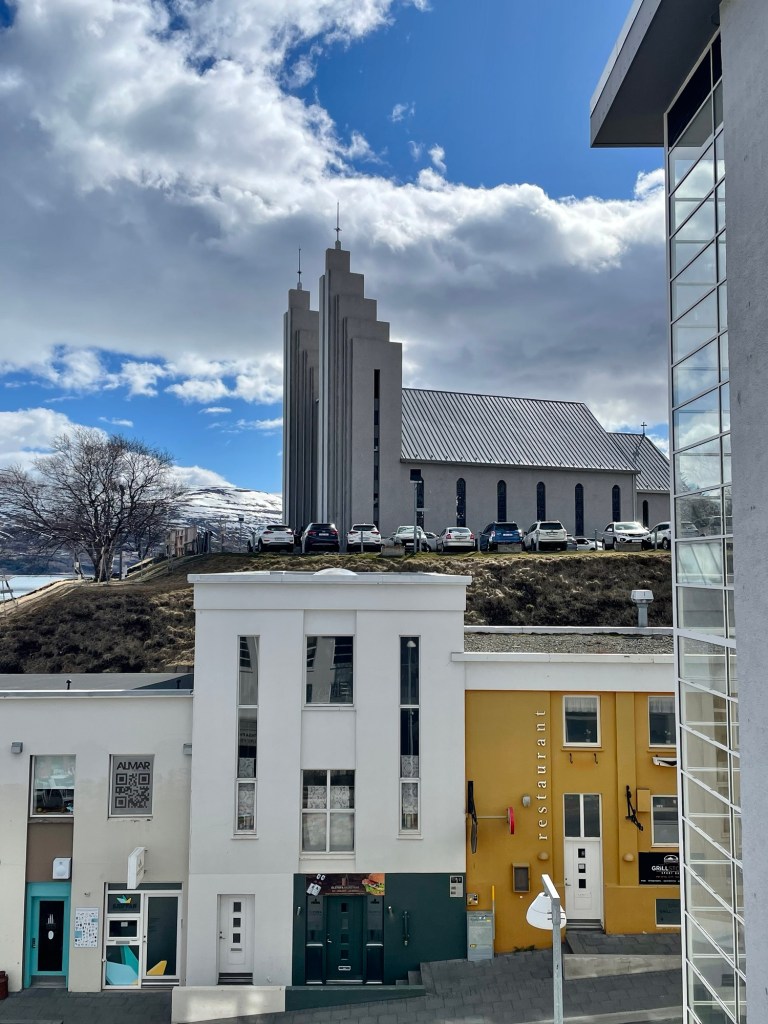
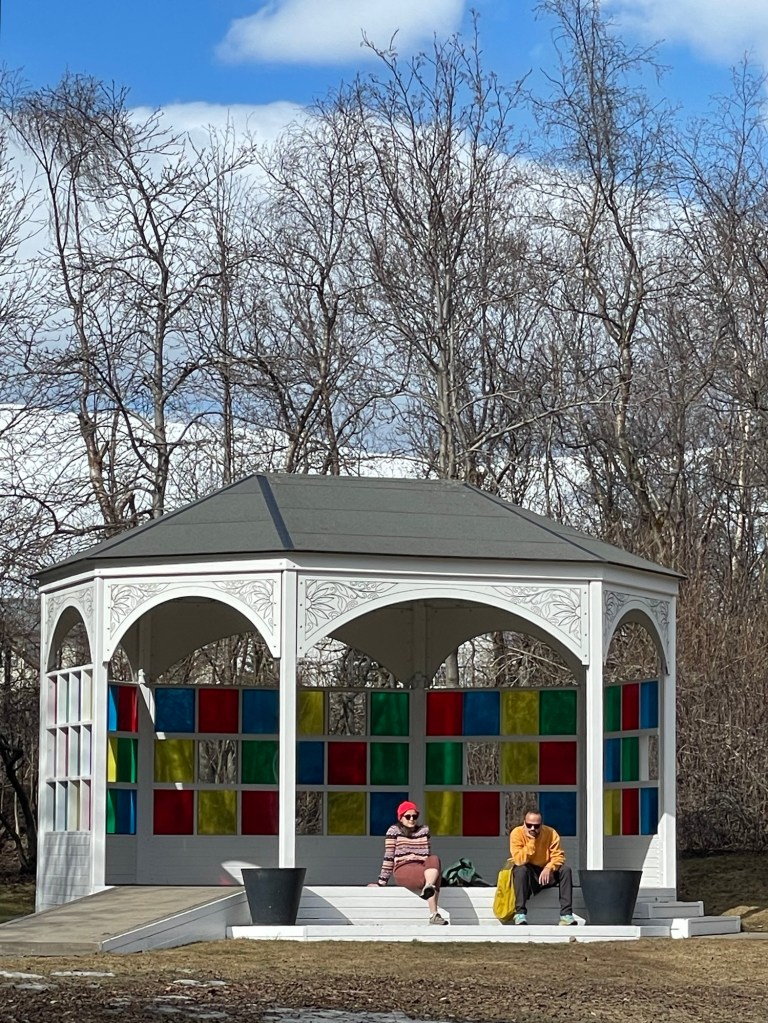
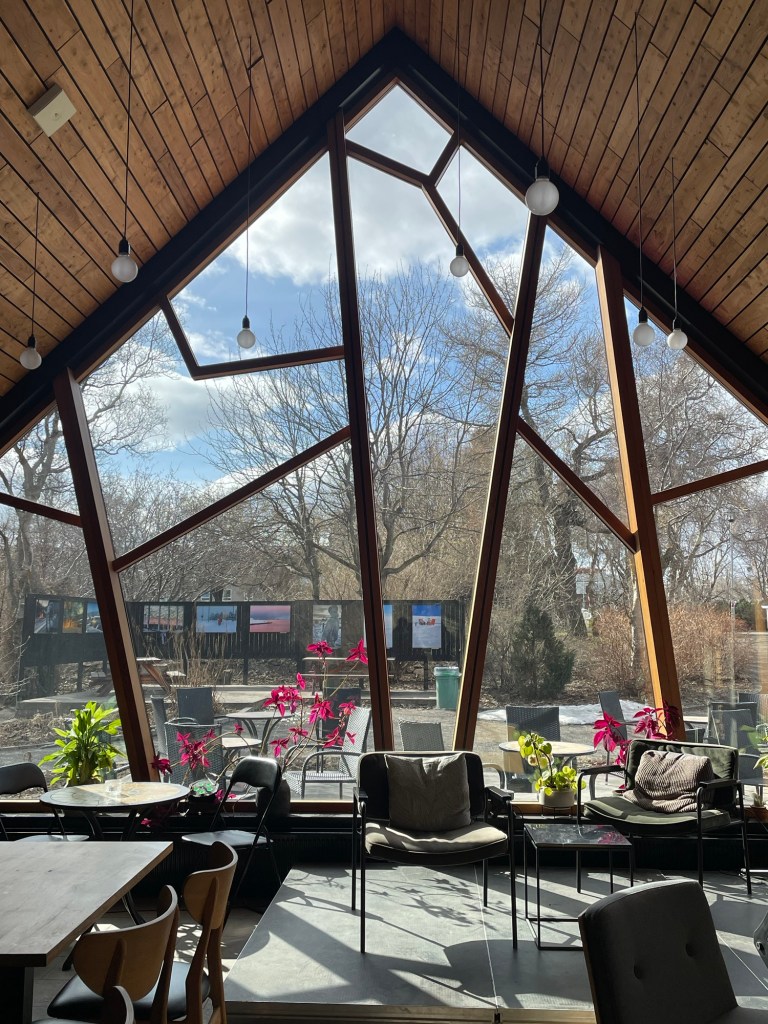
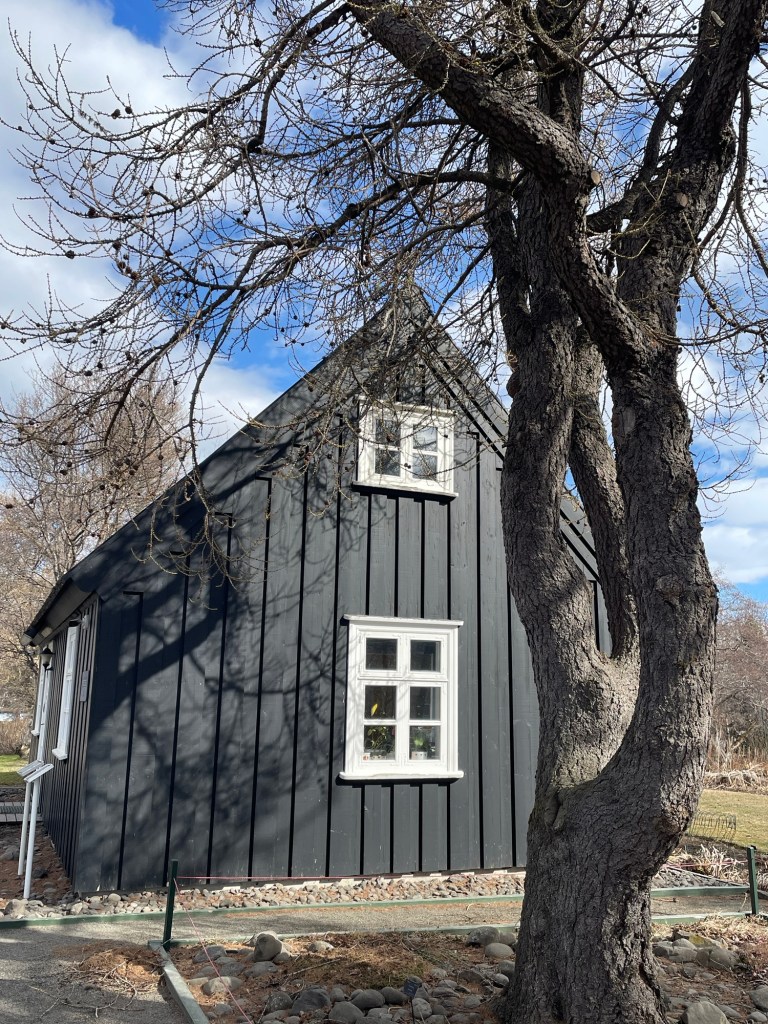
The next day we wandered around the town, stopping to look through the art gallery and the shops. We walked to the botanical gardens where there was still snow on the ground in some areas and no flowers, except for the occasional clump of crocuses and other winter bulbs. It was nice to have a day where we didn’t have to drive.
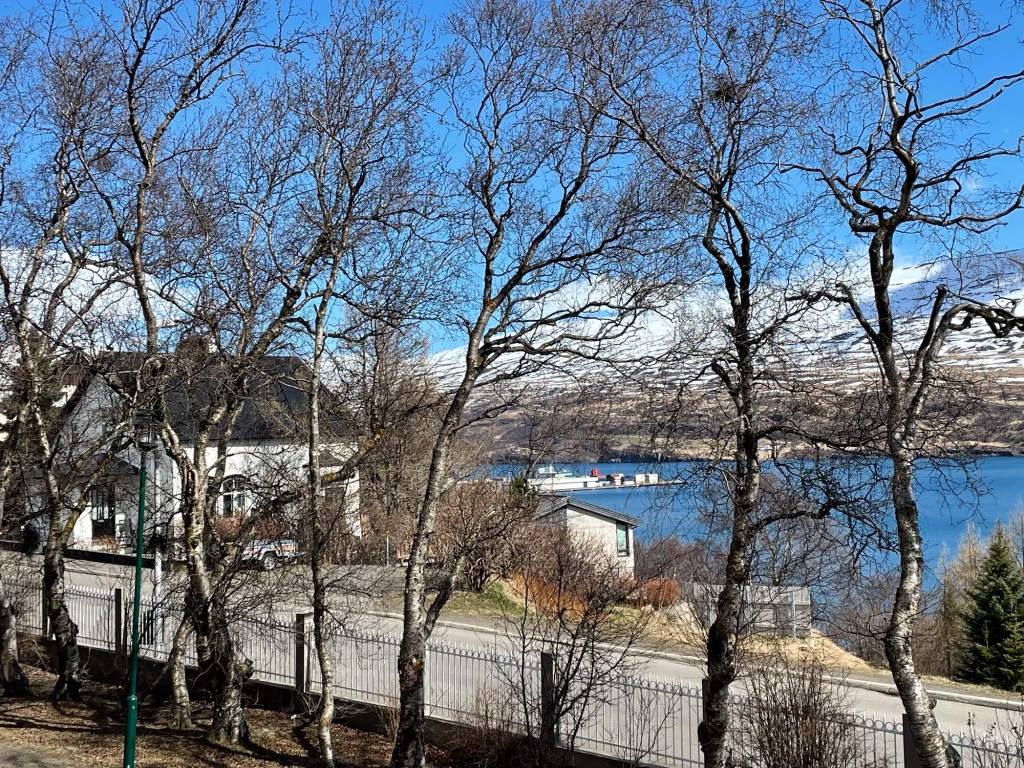

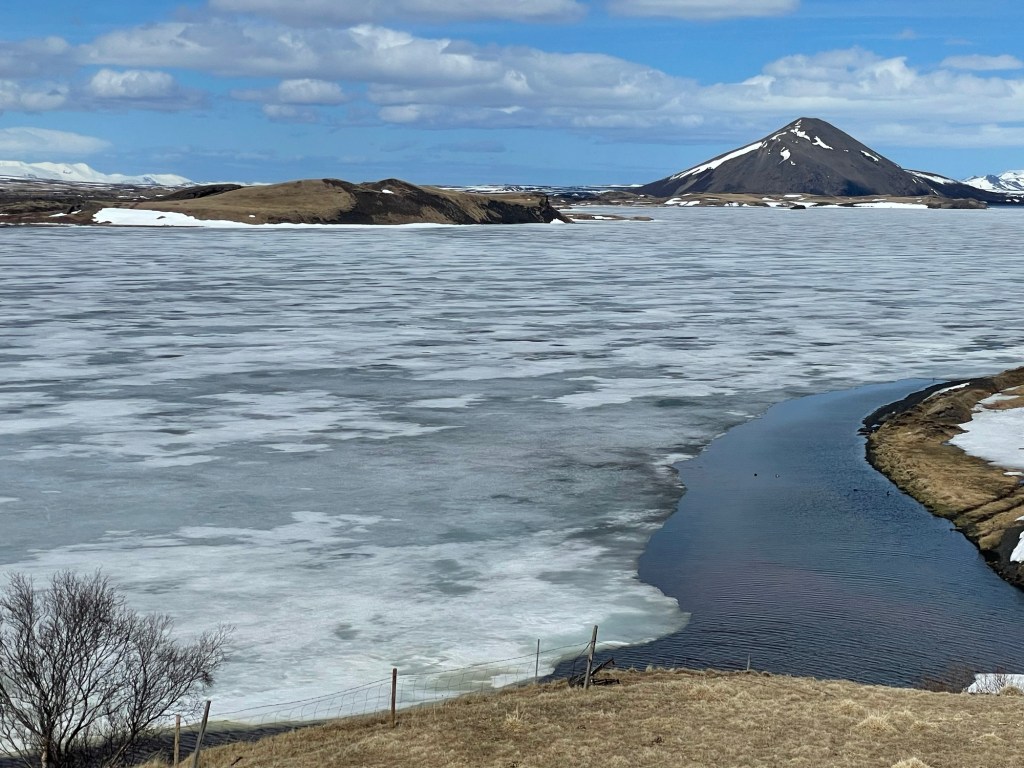
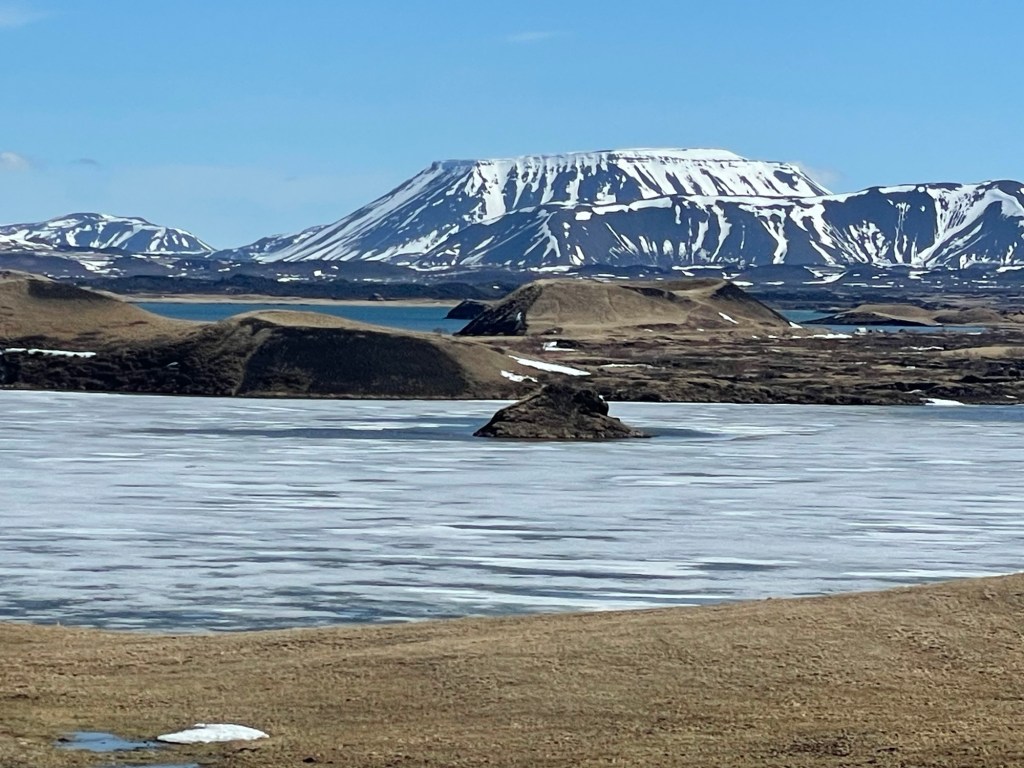
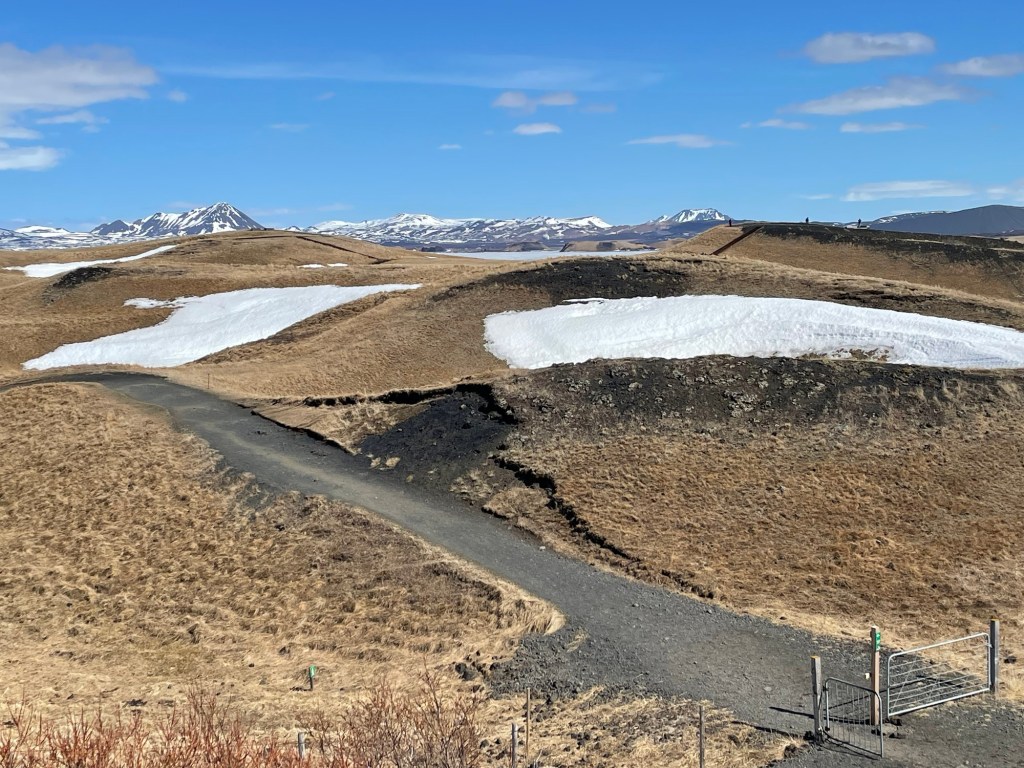
Back on the road the next morning, we drove east towards our next destination … a cabin on a farm near Djupavogur in the east fjords district. As we passed Lake Myvatn we marvelled at how much of it was still frozen and decided to take the longer drive around the entire lake. We stopped at an information centre, where we learned about the pseudo craters near the edge of the lake. Many were still filled with snow. While they look like craters they do not have a vent from which lava would have once erupted. They were formed by steam explosions that occurred when hot lava flowed over the wet surface. Many have been destroyed over the last century for farming purposes, but the remaining craters are now protected.
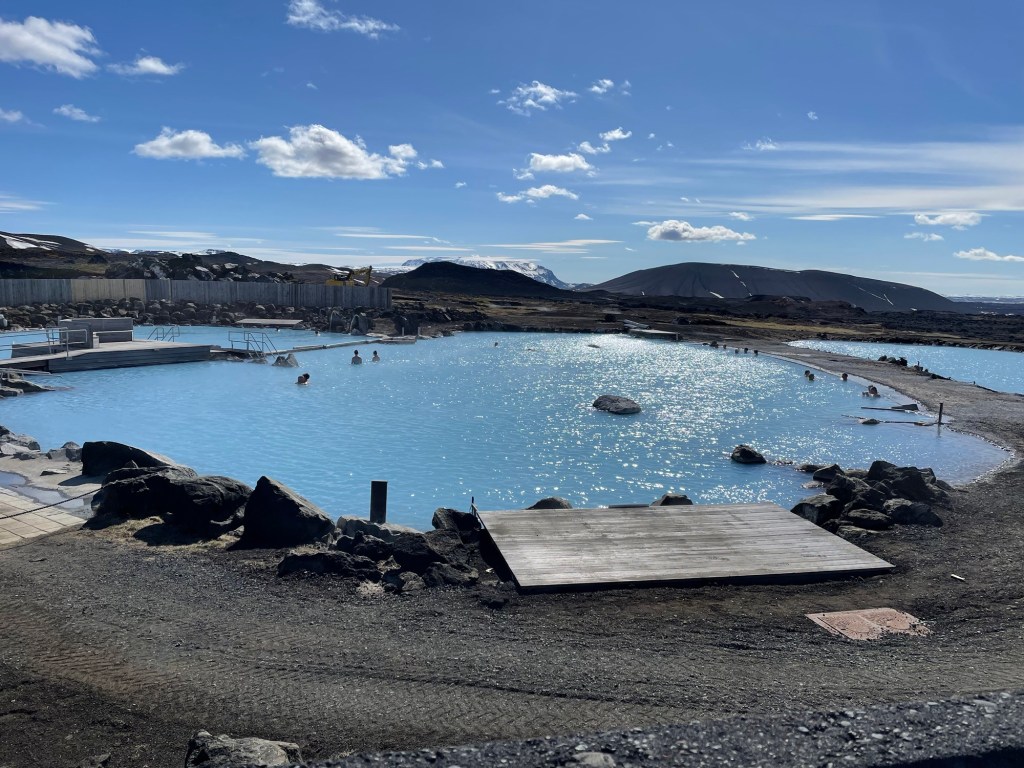
We stopped at the Nature Baths, a naturally heated lagoon that you can bath in. We considered taking a dip but with a very strong smell of sulphur filling the air (and our noses) we decided to keep moving.
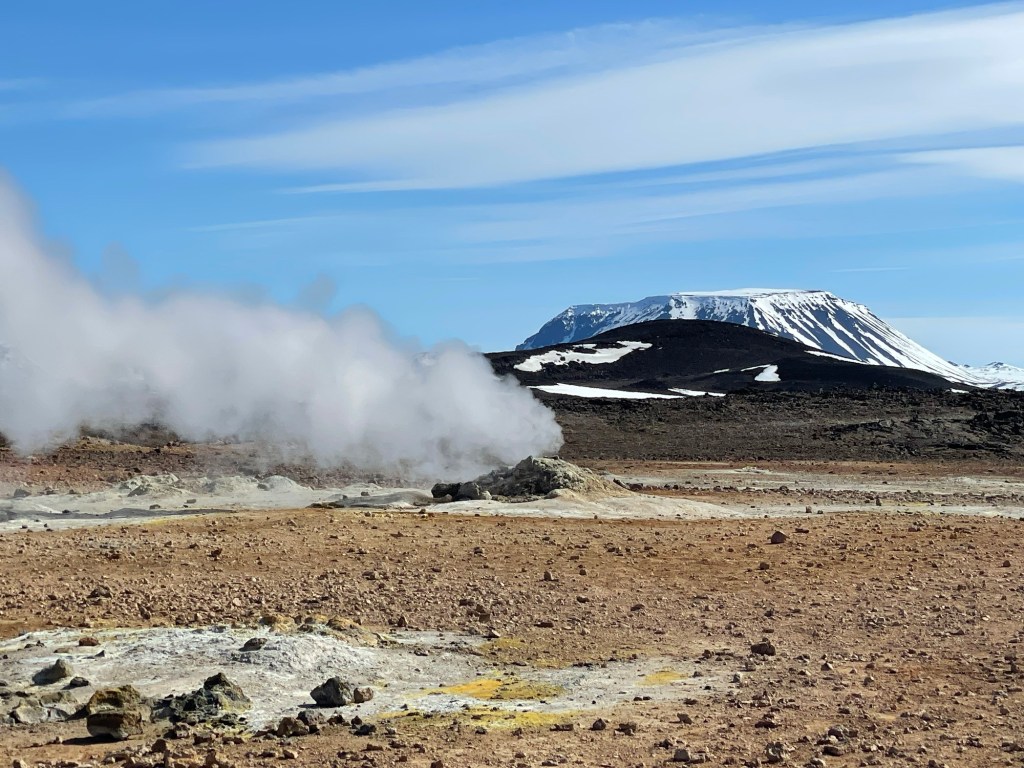
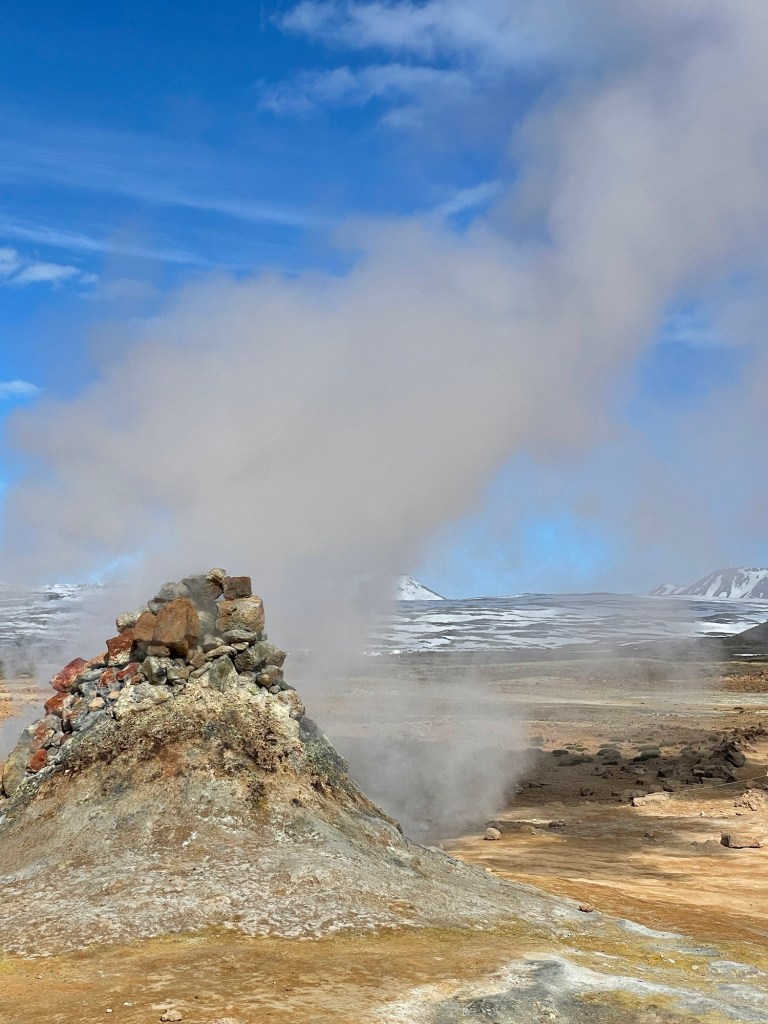
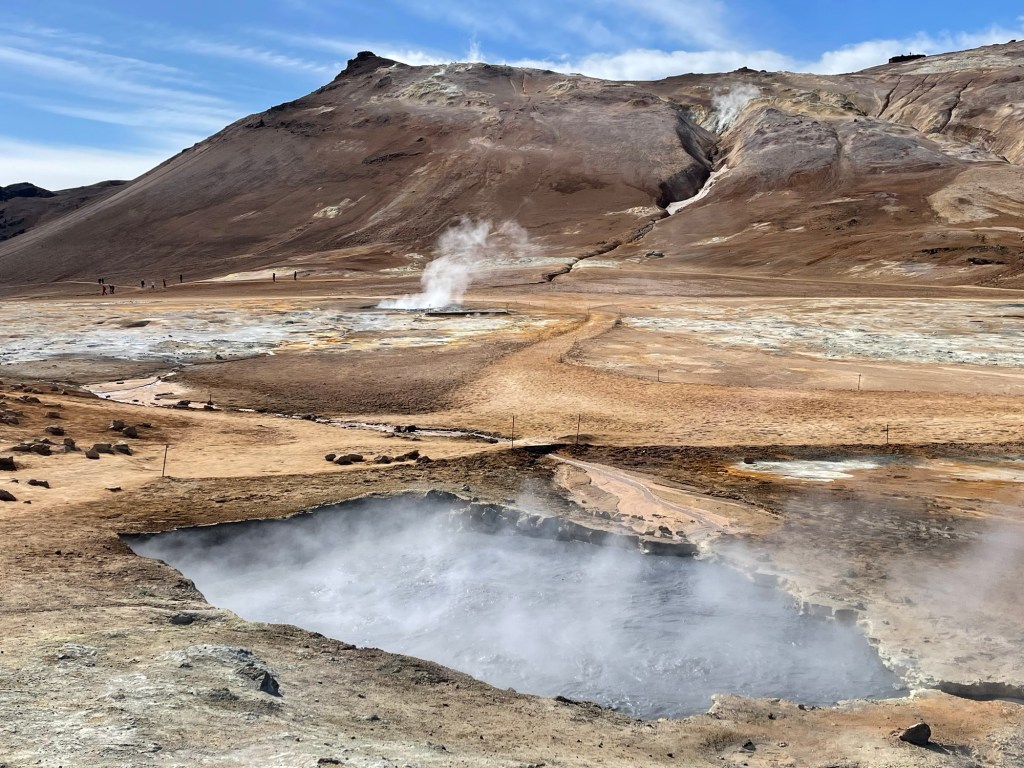
Our final stop in the Myvatn area was Hverir, a large barren tract of land where you can wander among boiling mud pots and fumaroles. It is a surreal experience and you feel as if you could be walking on Mars.

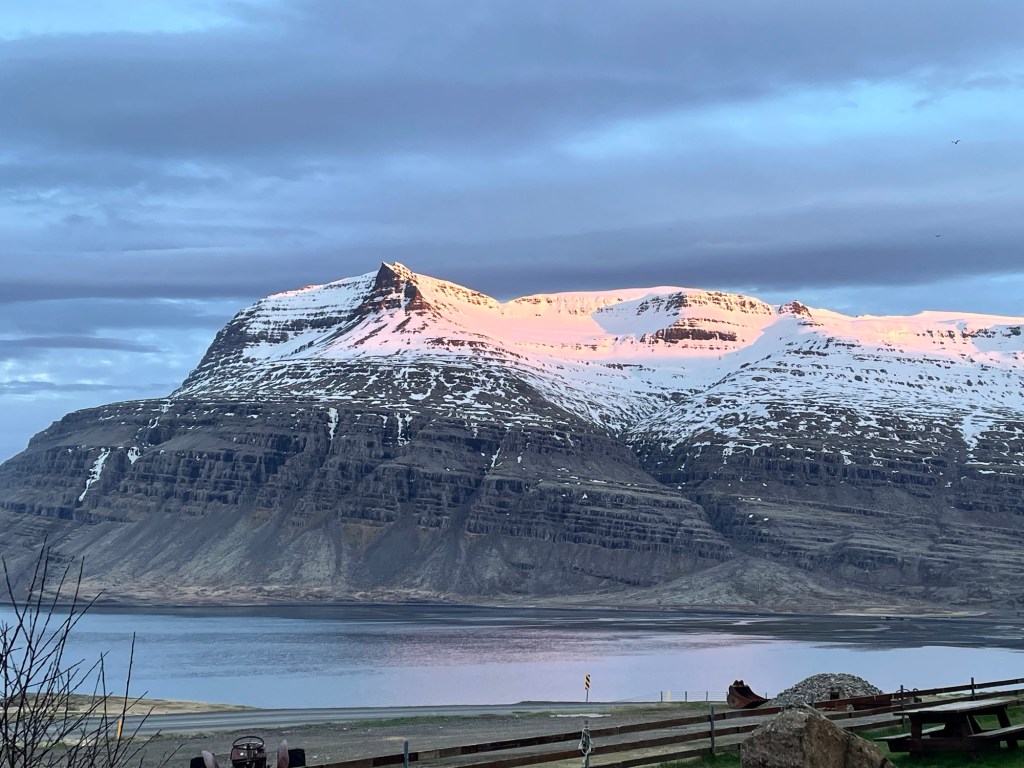
We arrived at our farm accommodation late that day. The cabin was small but clean and warm. It was across the road from the fjord with a beautiful view of a snow-capped mountain which turned pink as the sun set.
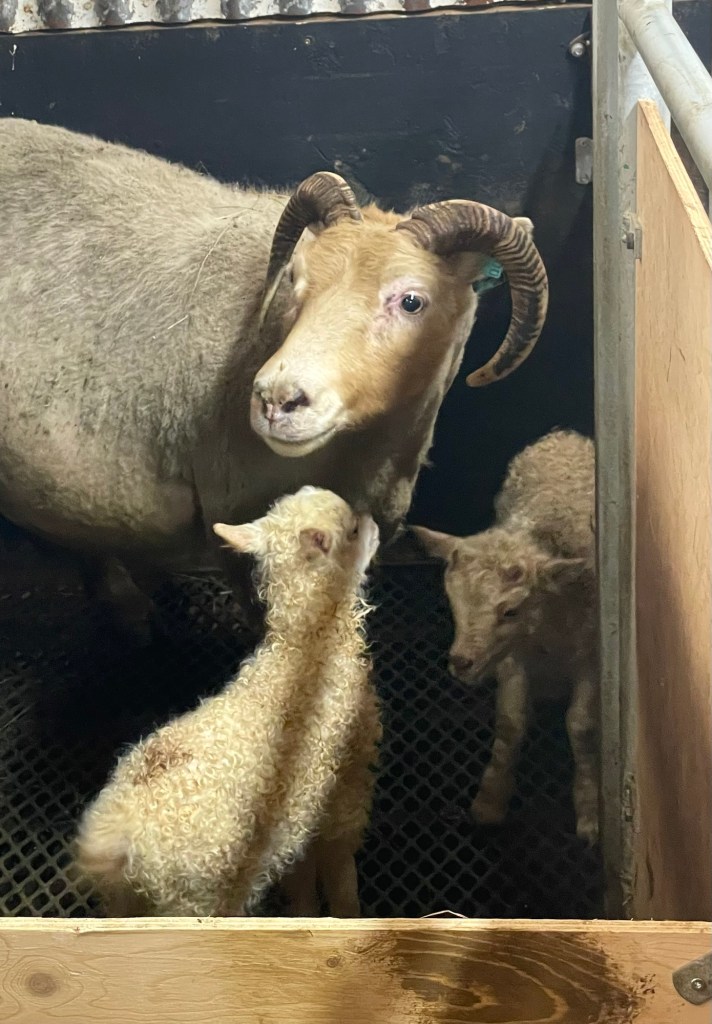
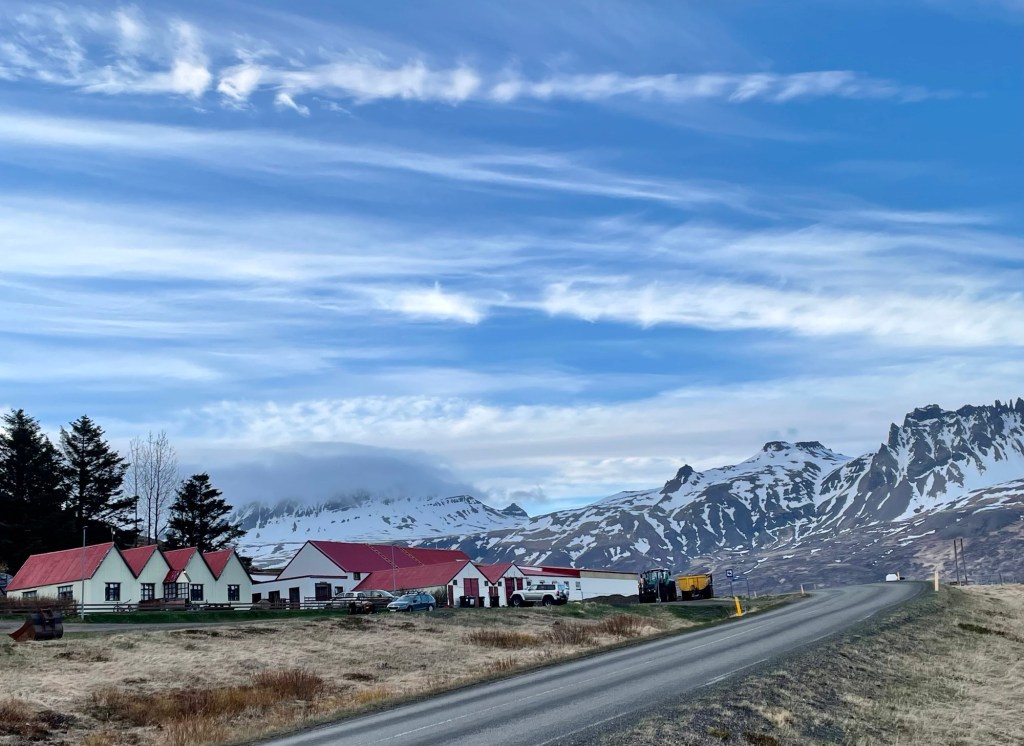
The next morning as we got ready to leave, the farmer’s wife asked if we’d like to see some lambs being born. There were two enormous barns holding around 500 sheep. Most had, or would soon, deliver twins and the barn was noisy with lambs bleating for their mothers. The farmer and his family were busy attending to sheep giving birth but generously answered our questions and showed us around. We learned that the sheep stay in the barn from November to late May while there is still snow on the ground. For the rest of the year they roam about the surrounding mountainous paddocks.

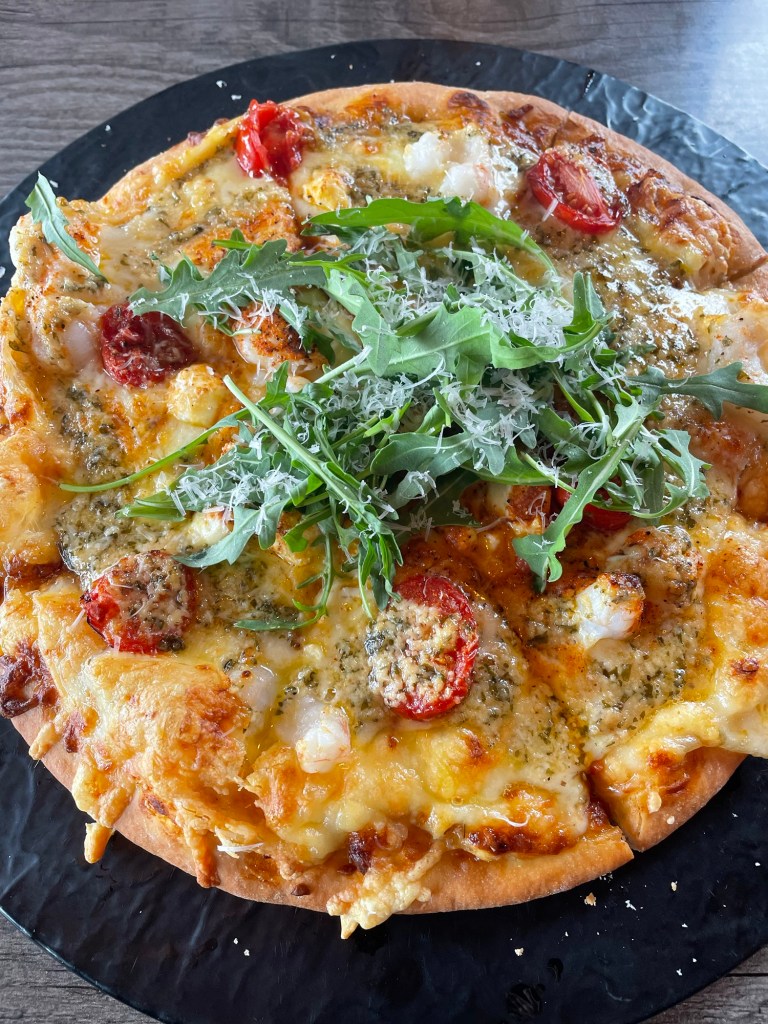
Back on the road we drove further south with a quick stop at the fishing village of Djupivogur for coffee. We drove onto Hofn, a popular tourist and lobster fishing town. The local lobsters are known as langoustine and are a little larger than prawns. We had lunch at a small restaurant where almost everything on the menu featured the local lobster. I tried the lobster pizza which was delicious.
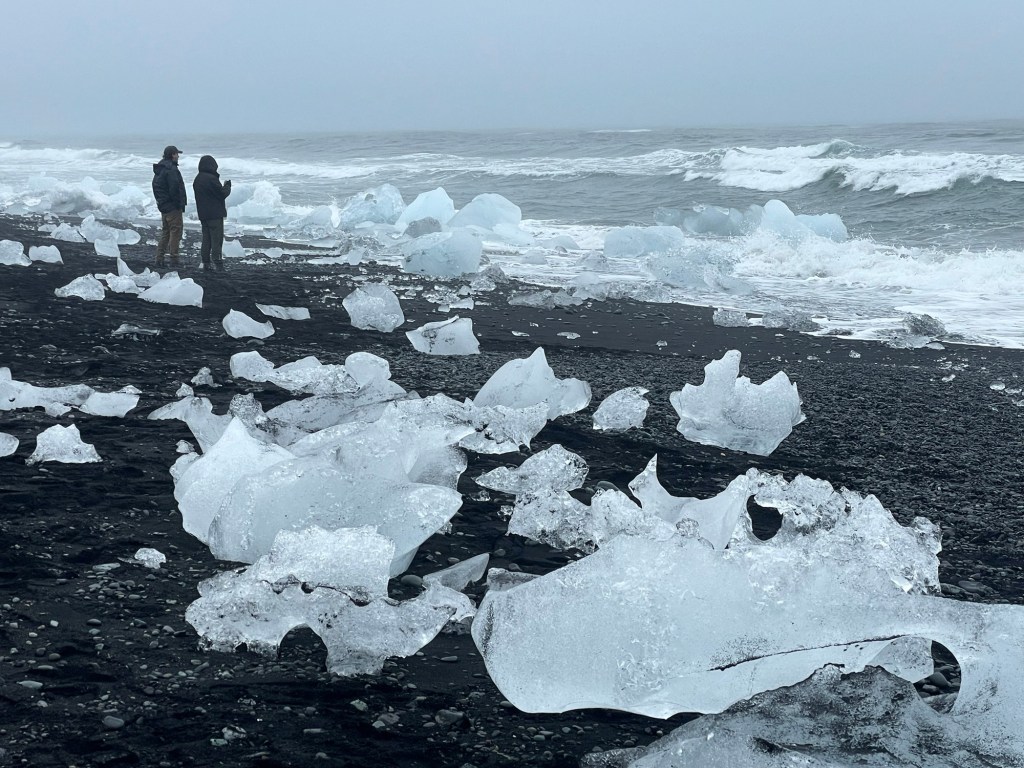
The weather was changing and we hoped the rain would hold off for the next few hours while we visited the glacial lagoon and black beach at Jokulsarlon. This is where giant chunks of ice break away from the massive Breioamerkurjokull glacier and float around the lagoon and out to sea, with many washing back onto the black beach. The grey skies and misty rain, only enhanced this truly extraordinary sight.
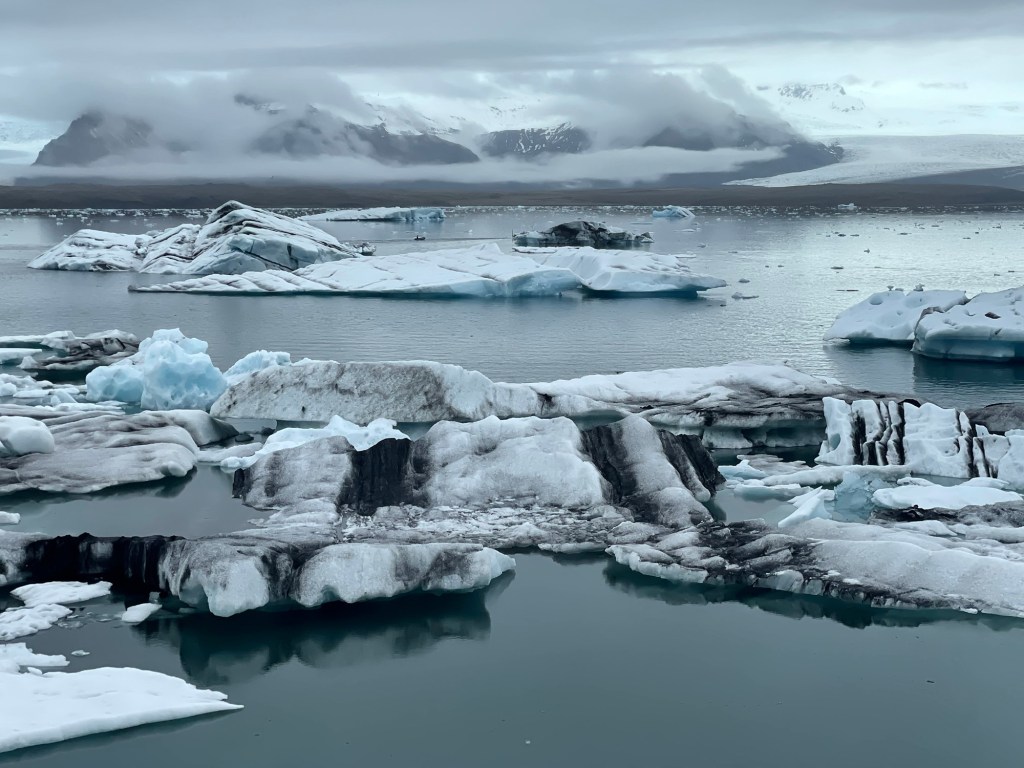
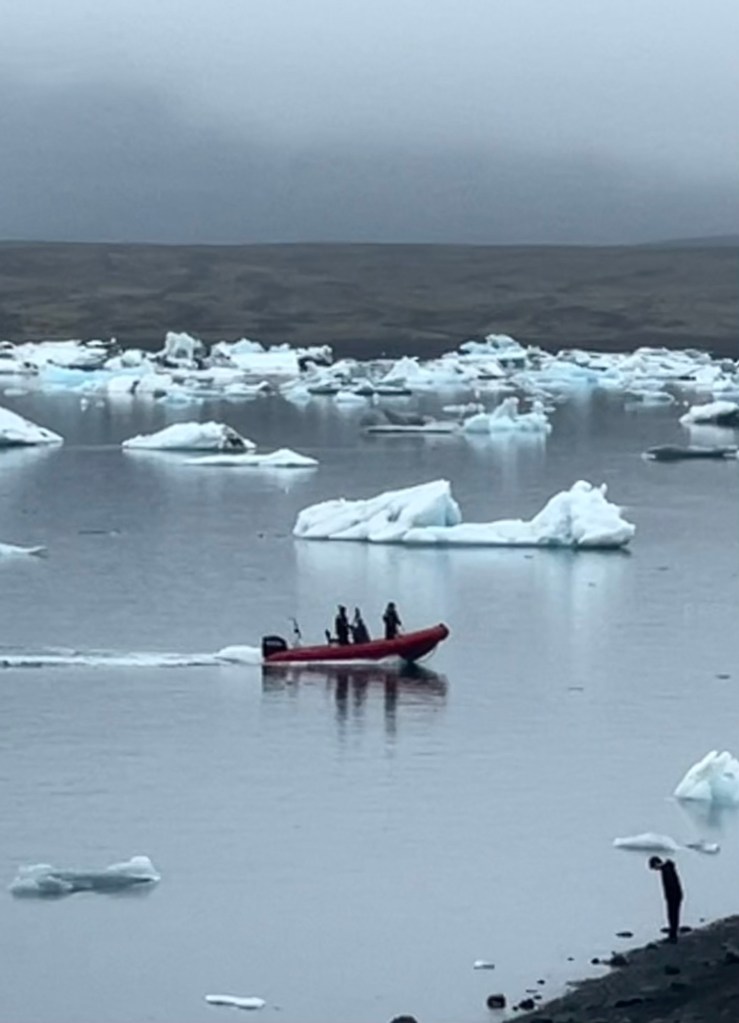
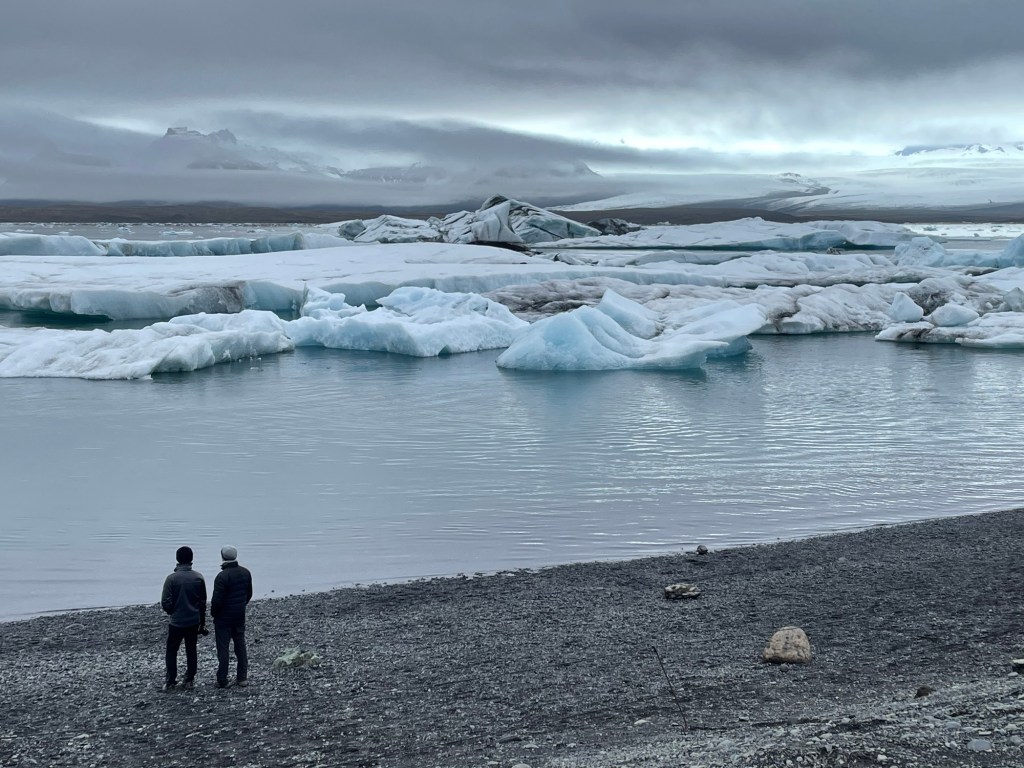

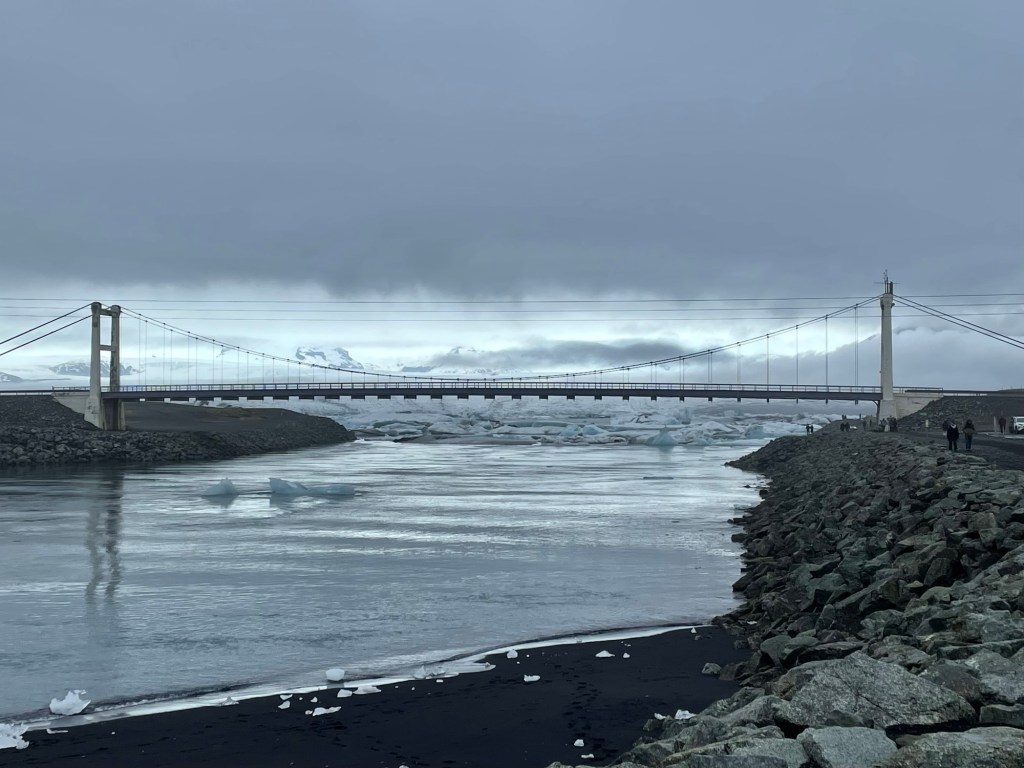

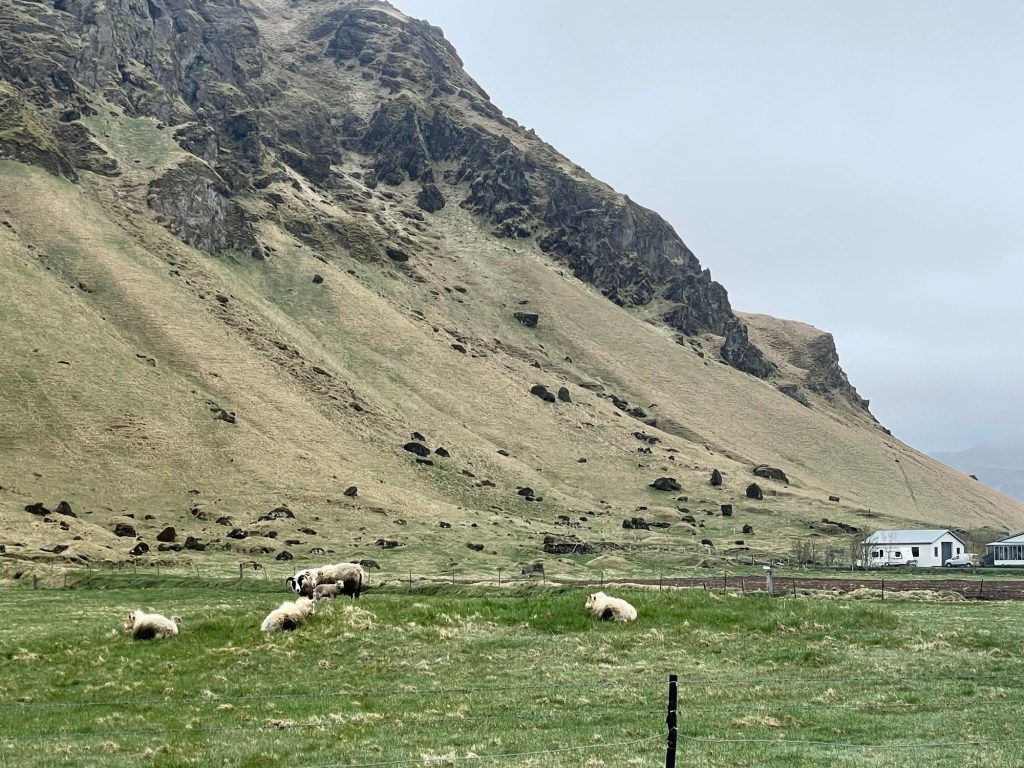
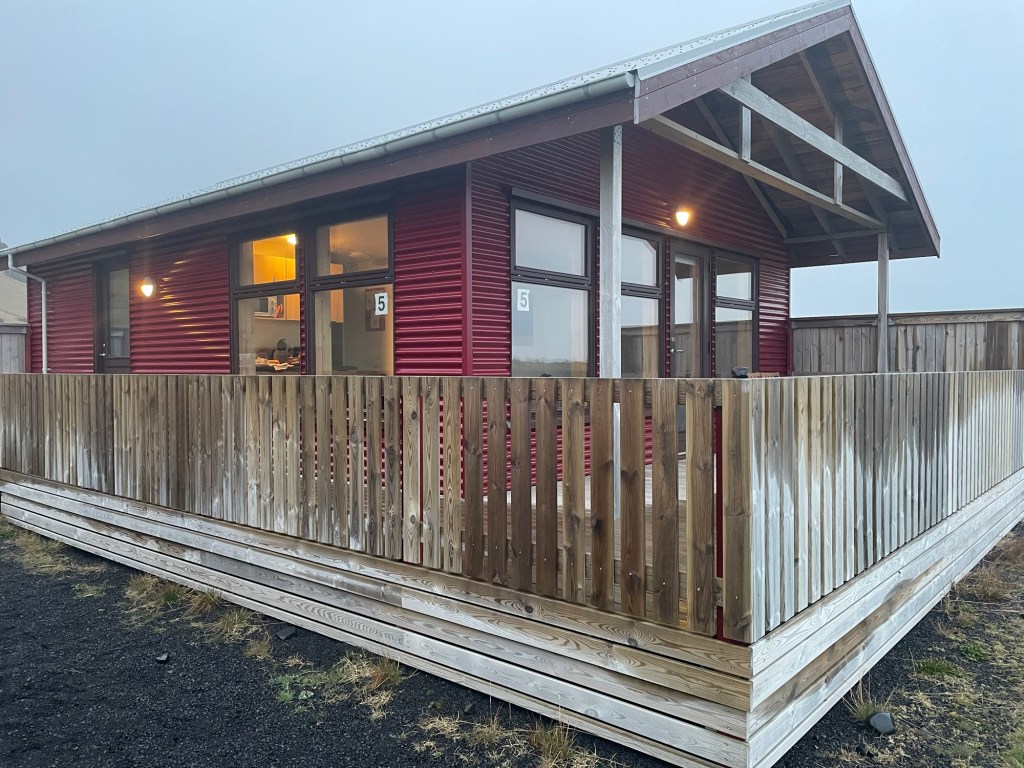
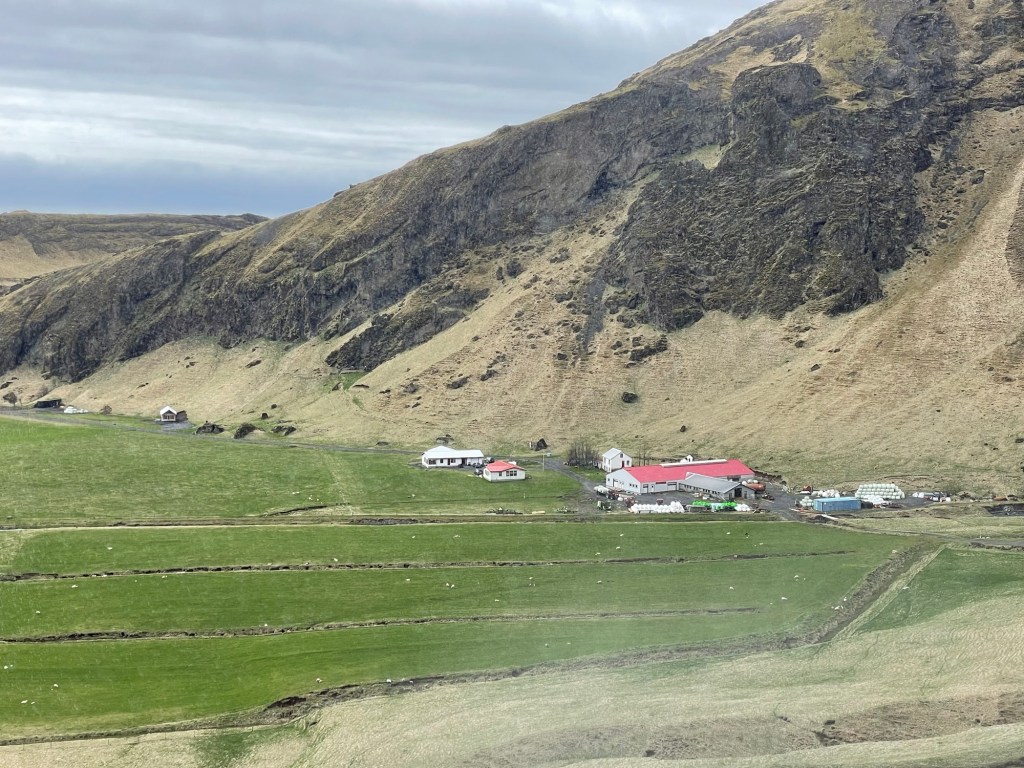
After warming up with a hot chocolate from the food van in the car park, we drove on to our accommodation for the night … a cabin on a farm. It was spacious, warm and cosy and perfect for the cold and wet night. Behind us was a giant, craggy rock with sheep grazing in the paddock below. While travelling along the south coast we’d noticed many cabins on farms. Iceland is becoming a popular tourist destination and the local farmers have clearly decided this is a good way to make some extra money from their land.
Our final day in Iceland started in Vik at the old church that looks over the town. From there we could see across the houses and shops to the water. A walk up the hill behind the church took us to an old graveyard.
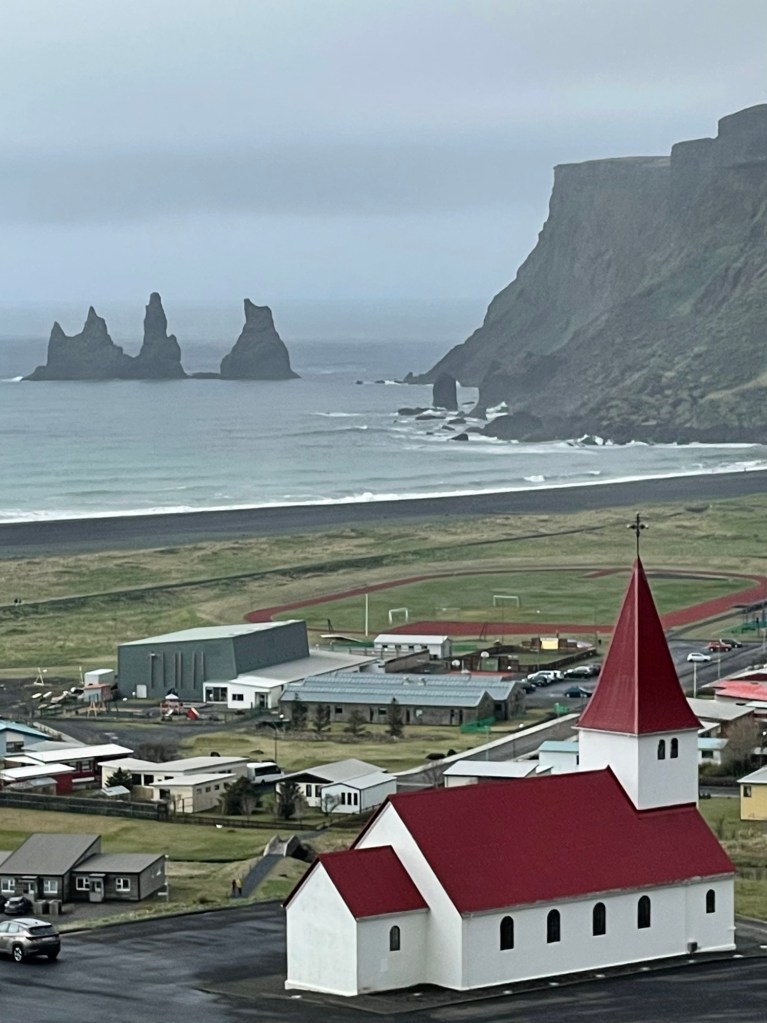
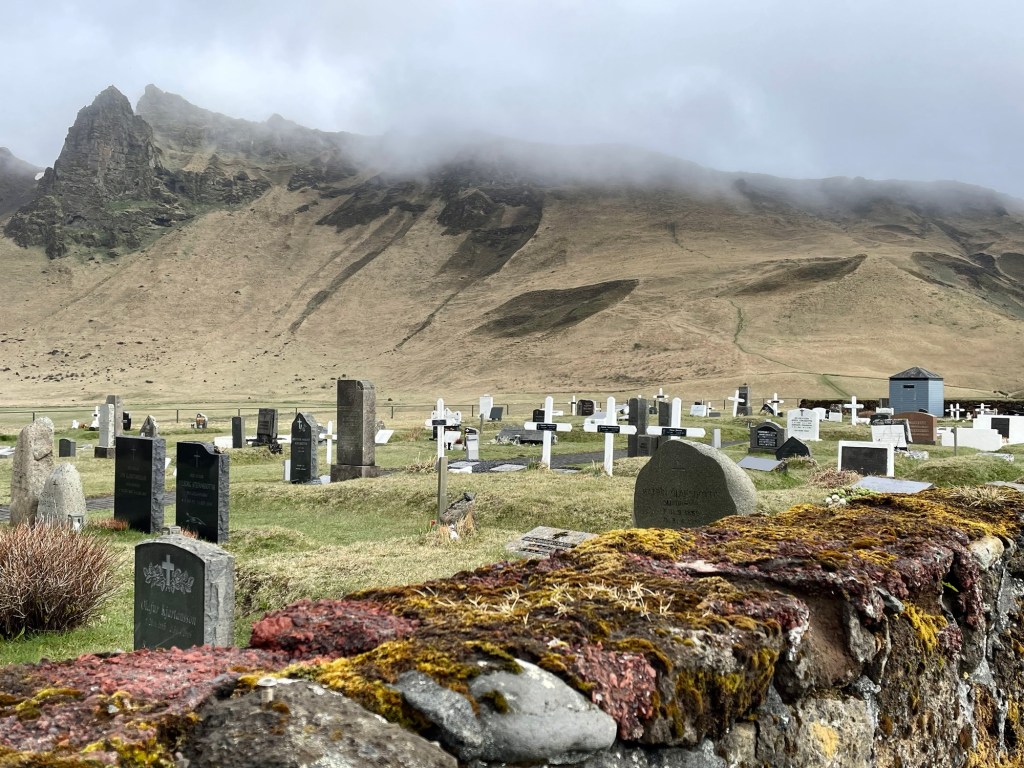
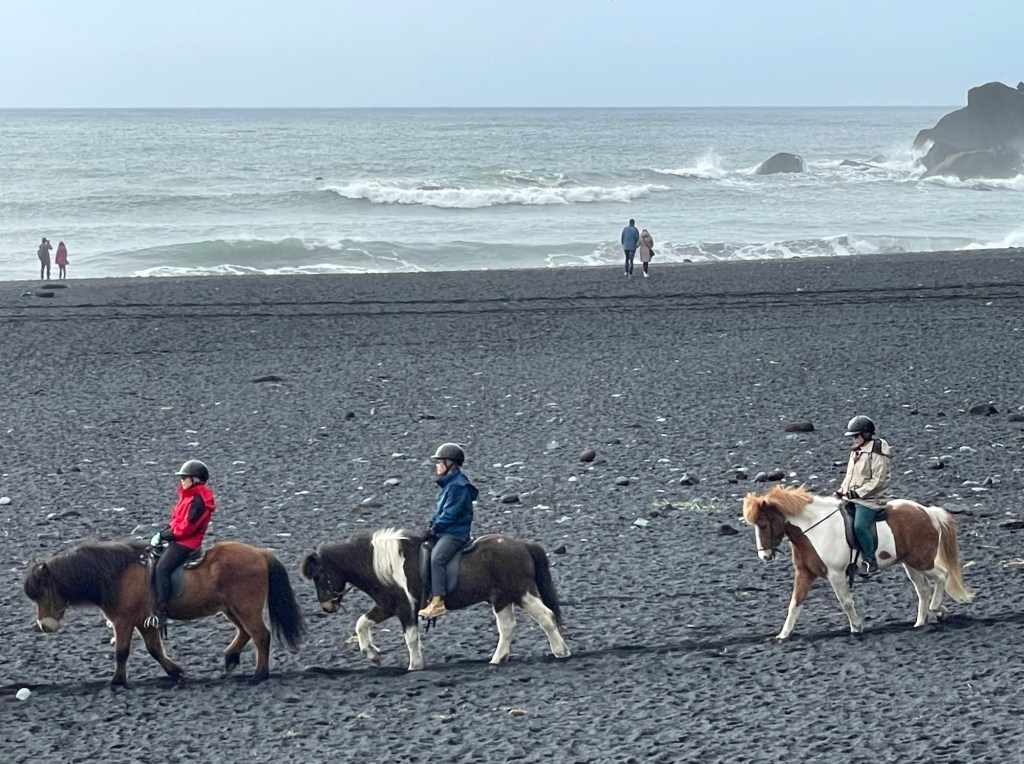
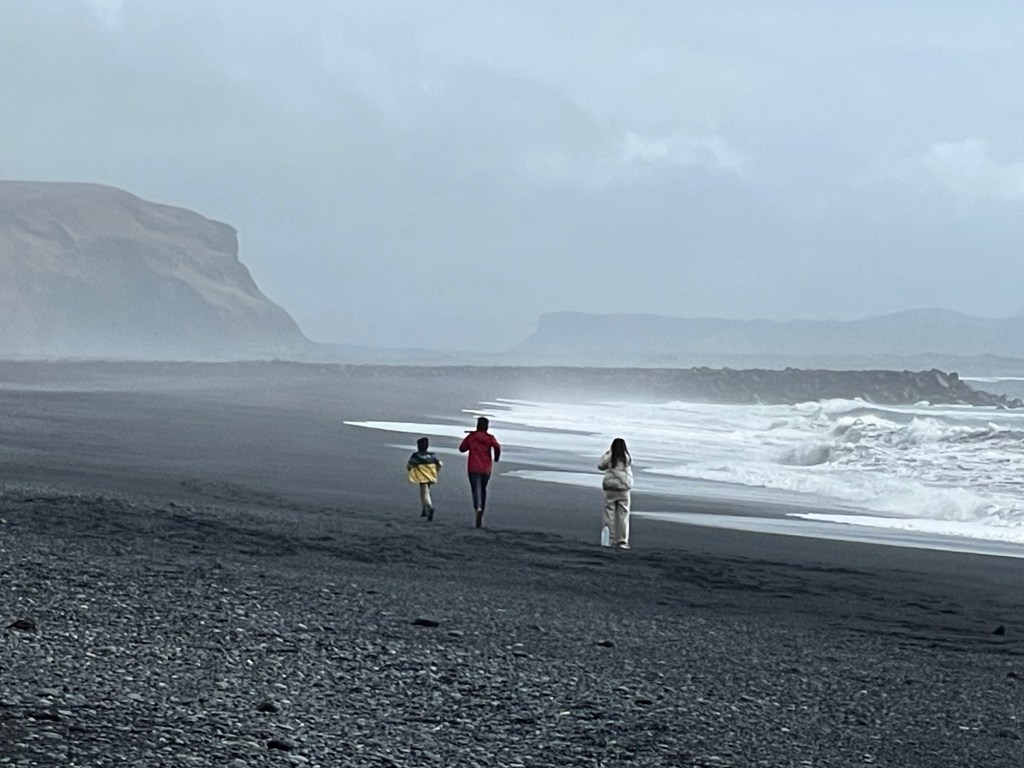
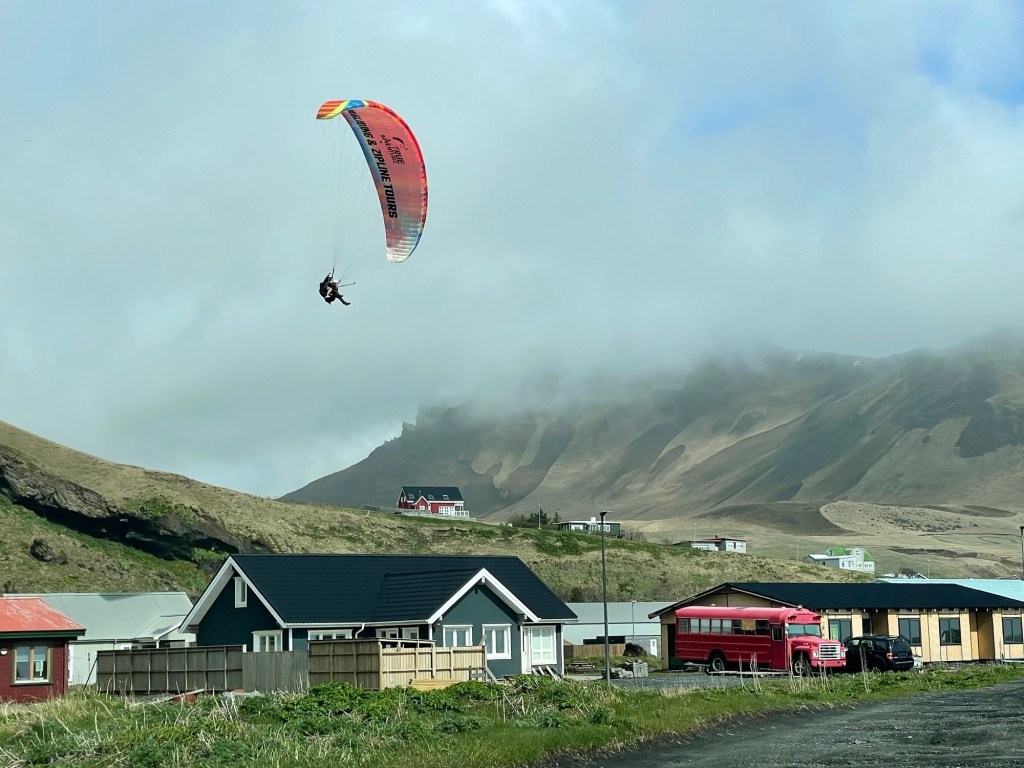
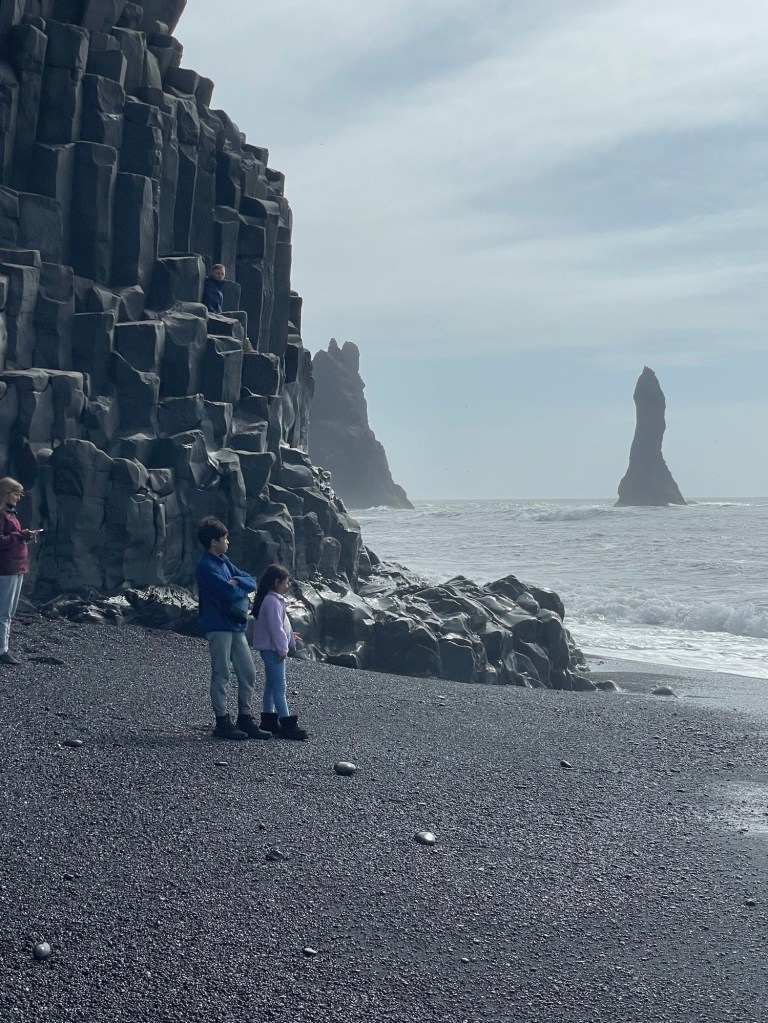
Vik is famous for its black beach … a huge expanse of fine volcanic sand. As we walked over the sand dunes we saw waves crashing around the giant rocks in the water just off the shore. A long line of horses walked by, carrying their riders along the beach. Above us, paragliders flew among the birds that live on the cliff face. As we drove away, one of the paragliders flew by our windscreen and landed in a nearby paddock.
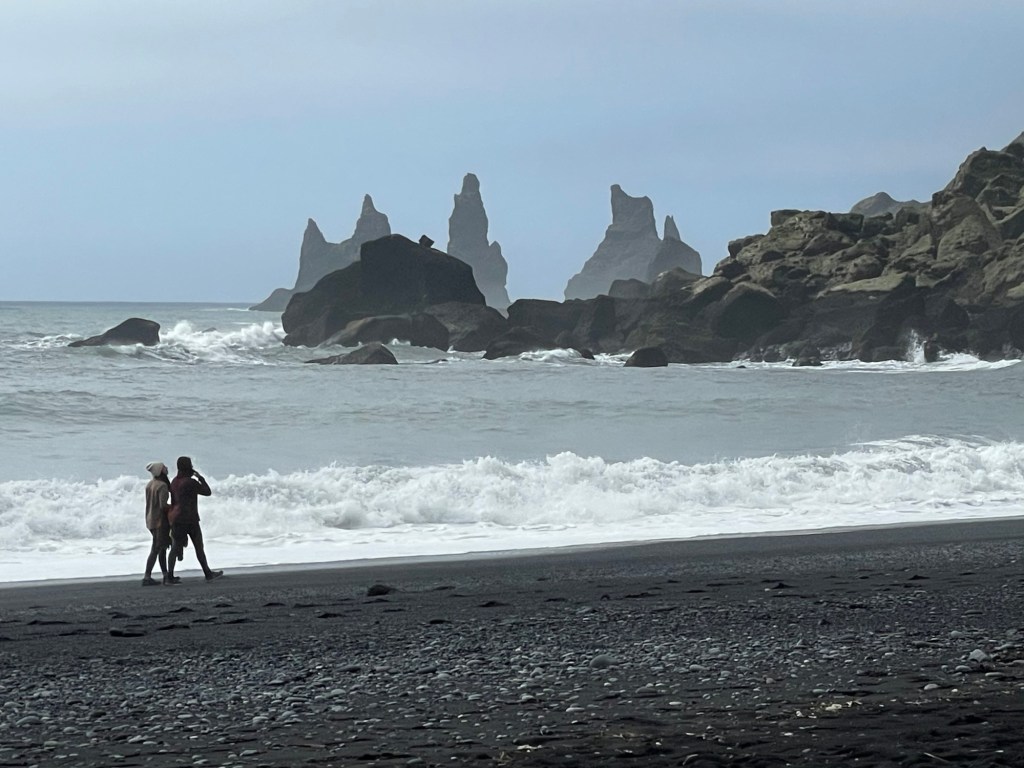
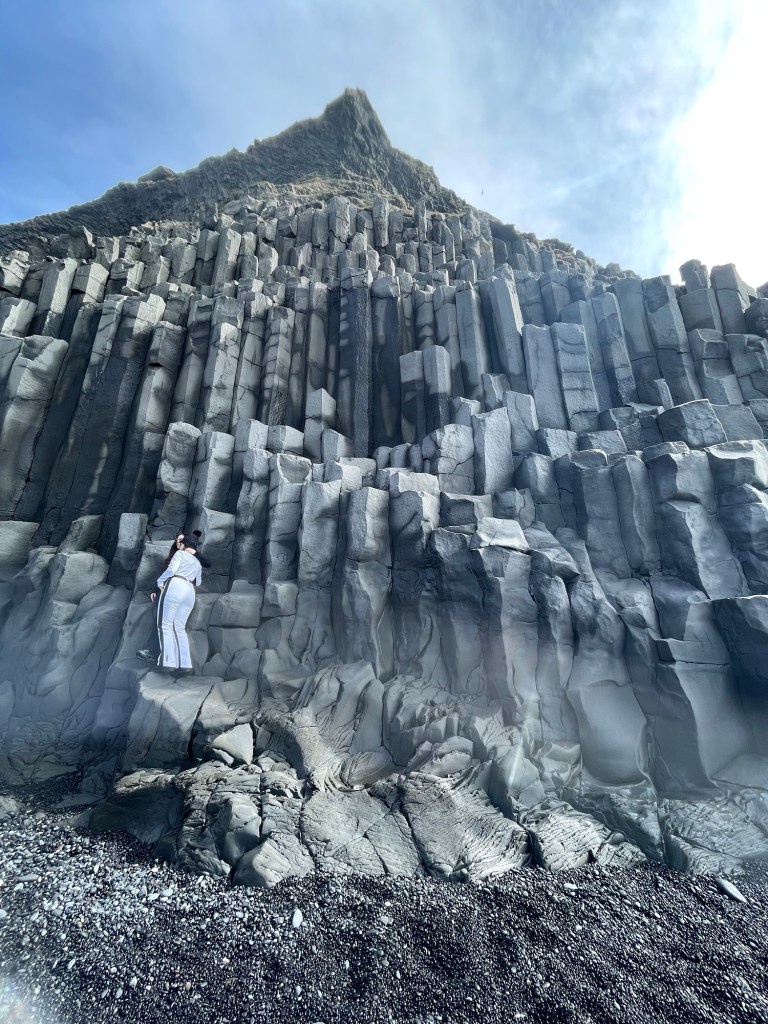
A little further on, we stopped to look at the basalt cliffs. This is a popular tourist destination where people climb the basalt columns for an Instagram opportunity.
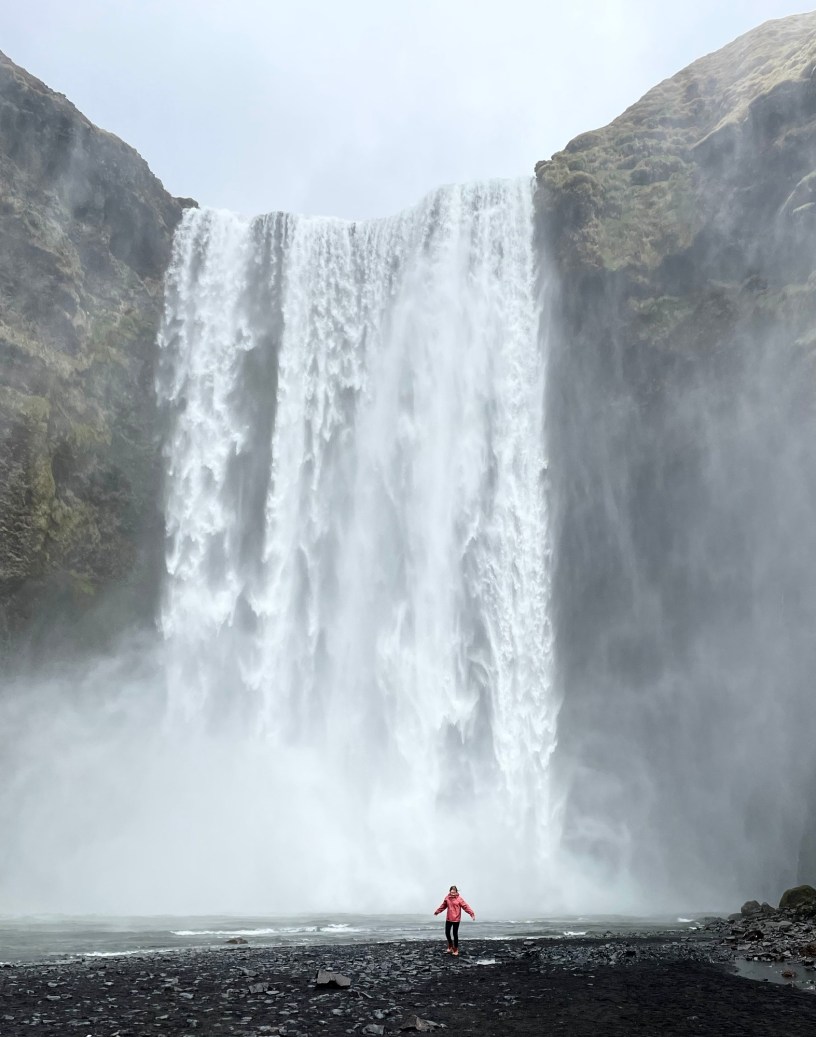
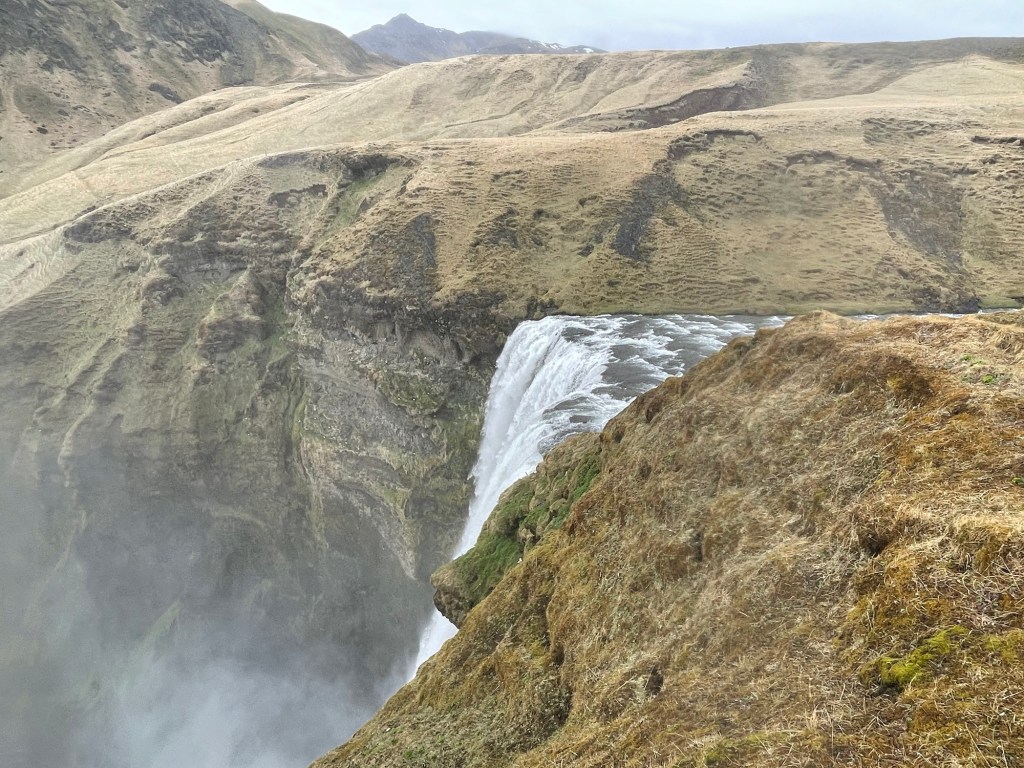
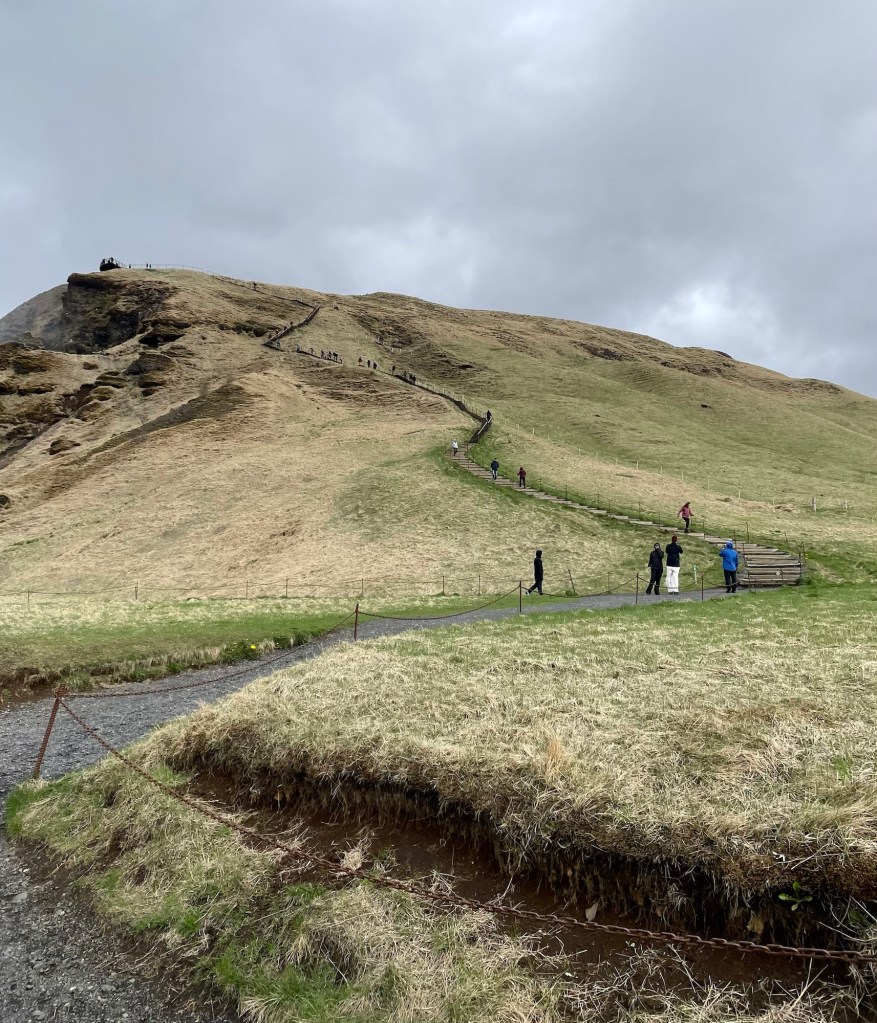
We drove on to the Skogafoss waterfall, which is a very impressive 60 metres high. We have visited some amazing waterfalls on this trip but Skagafoss tops them all. A 527-step path zig-zags up to a platform where you can view the water crashing over the cliff. It was a steep climb but worth the effort for the view which also took in the surrounding farms and the nearby beach.
Our final destination for the day was Hella where we’d spend our final night in Iceland. Our home for the night was a cabin sitting high on a hill overlooking the surrounding horse farms. We spent a quiet night enjoying the view and getting organised for our early start the next morning, catching a flight to Oslo to begin a new adventure.
 This Travelling Life
wow
LikeLiked by 1 person
Great photos of such an interesting countryside Michelle. Just a reminder to all your readers out there … read Michelle’s post via her blog link (the link “read on blog” is located at the top righthand corner of the email) rather than via the email. Michelle’s photos will be larger & clearer and you can click-on/touch each one for an even larger view. They deserve this attention! Hope you don’t mind me passing on this pointer Michelle!
LikeLiked by 1 person
Thanks so much Amanda. I appreciate you passing this tip on. xx
LikeLike